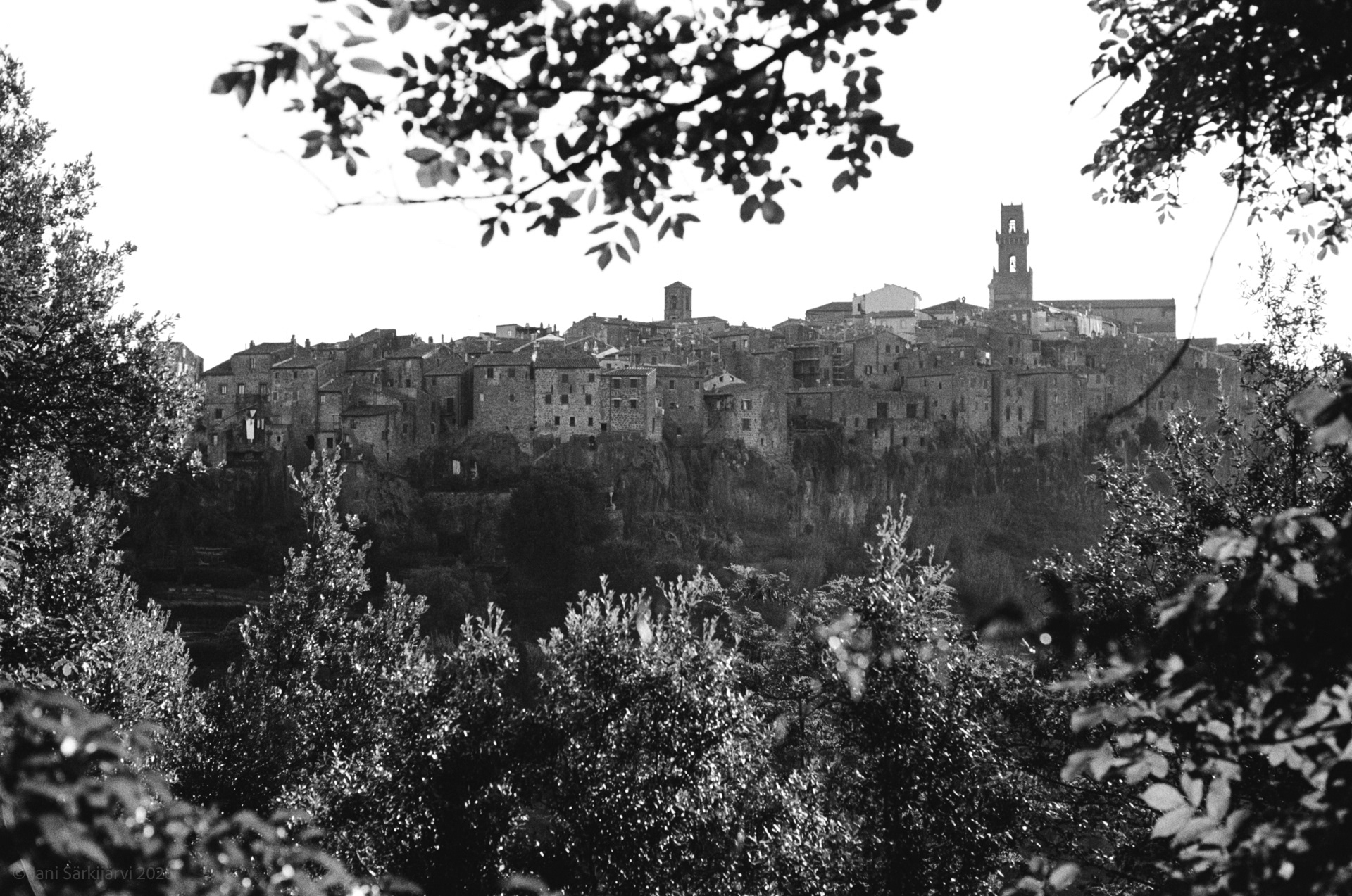
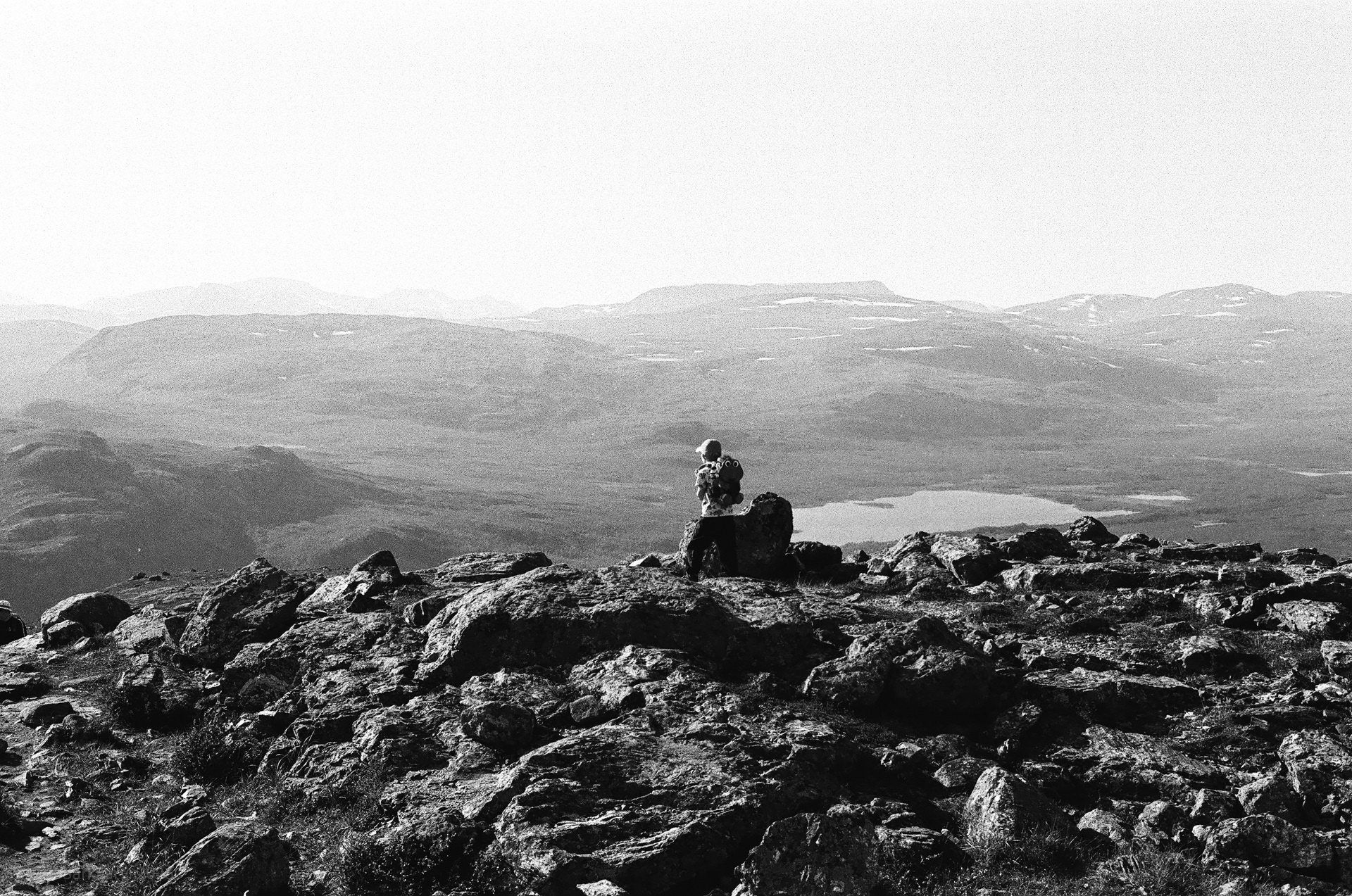
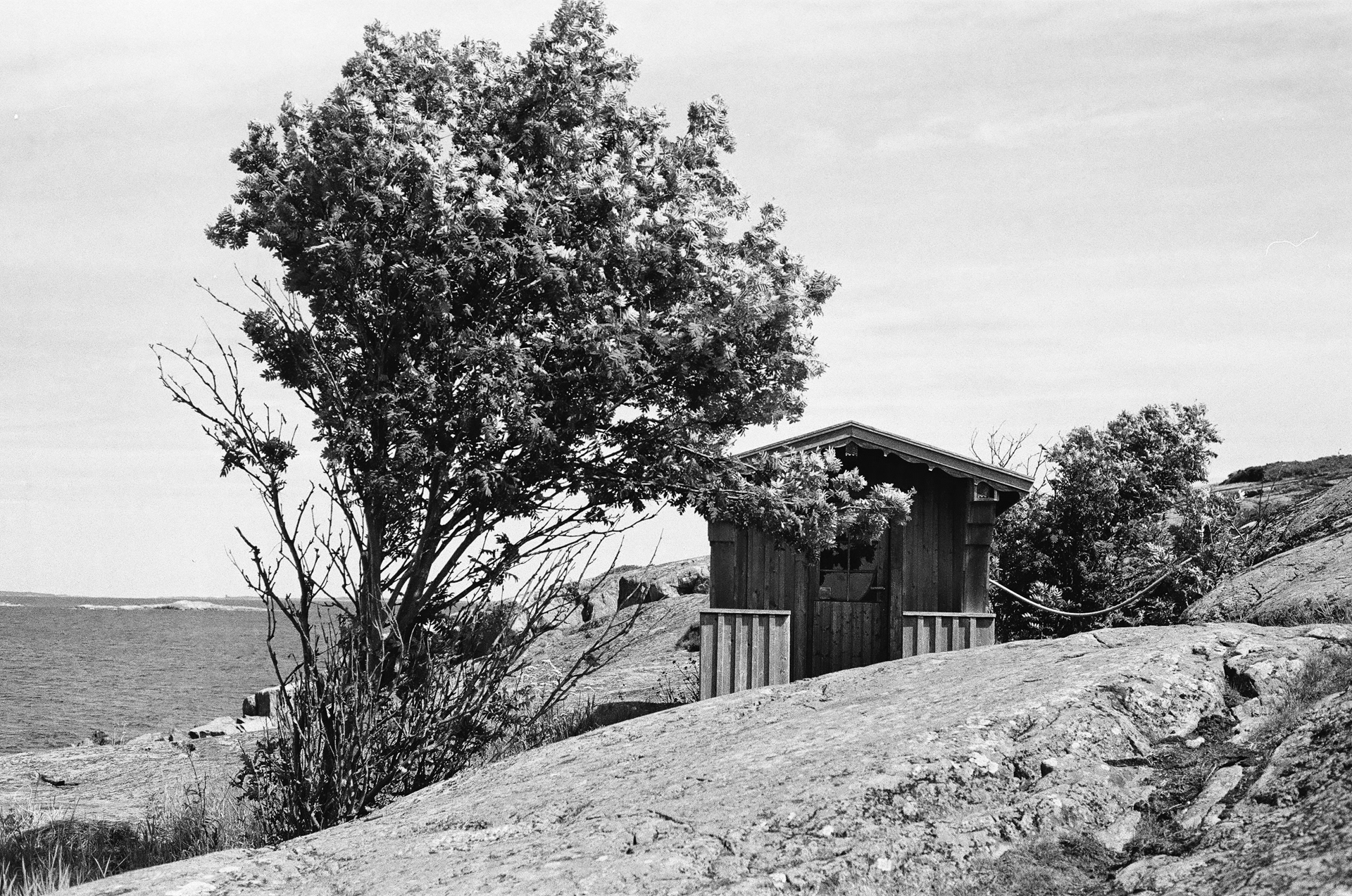
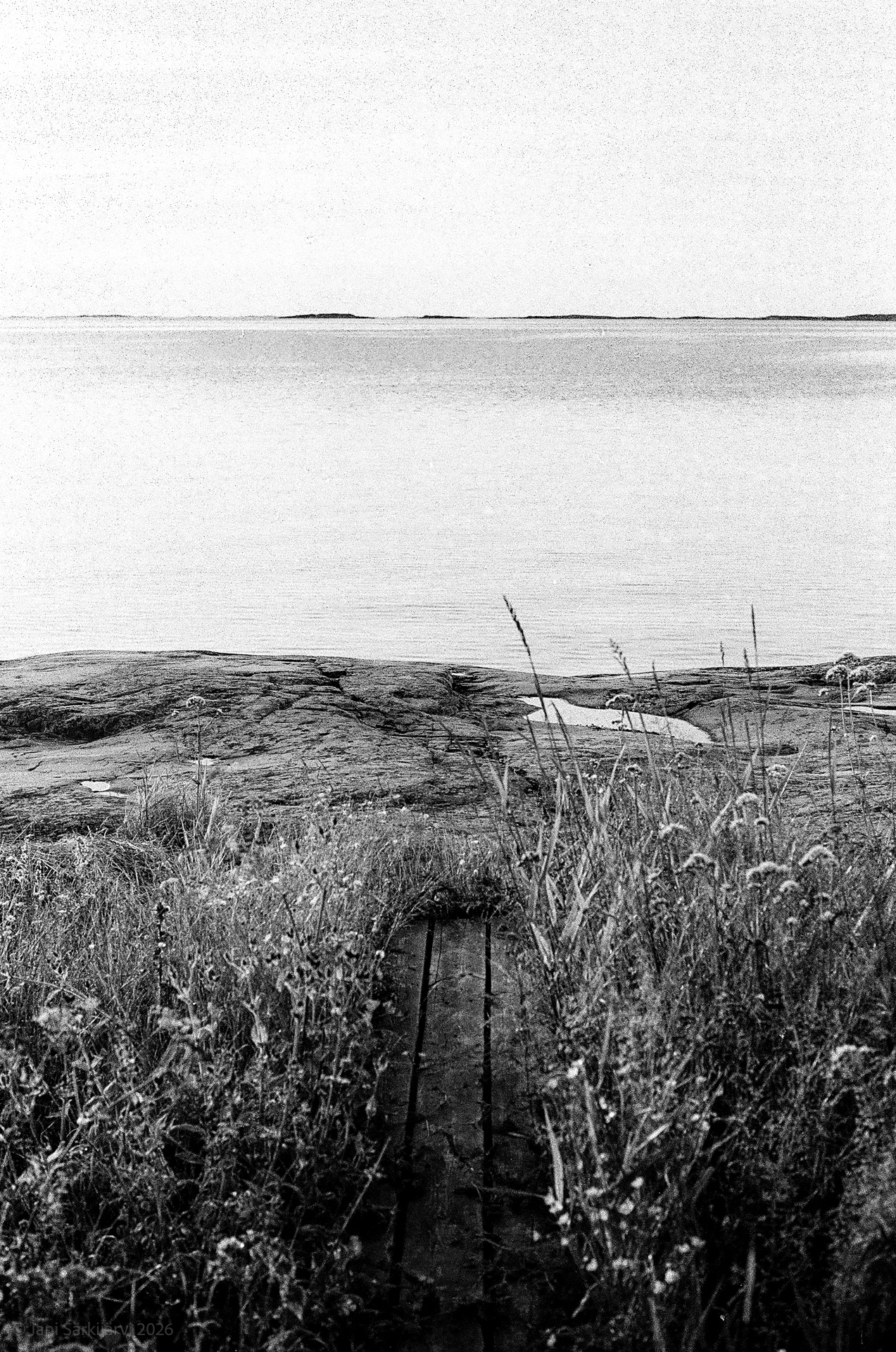
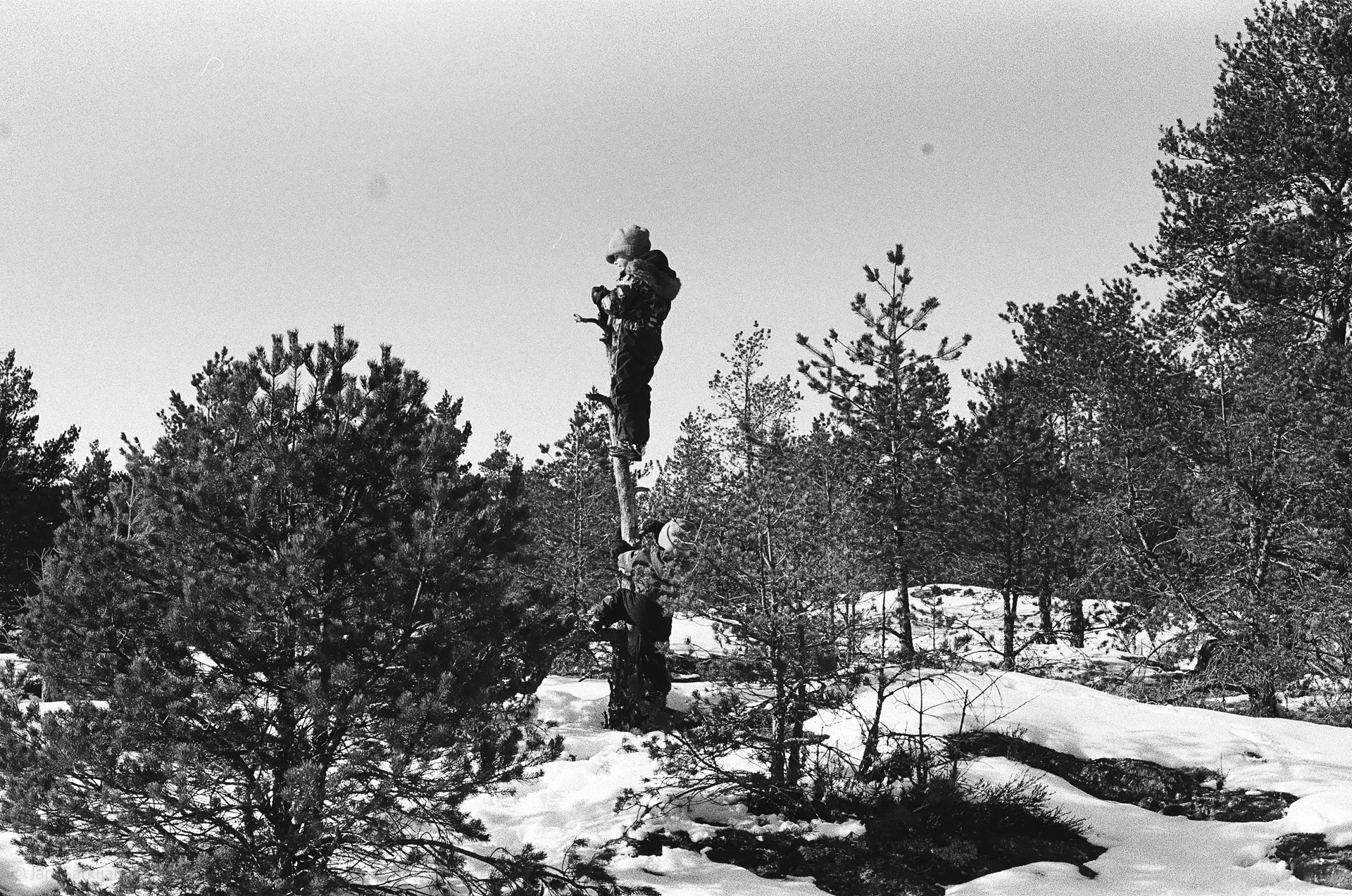
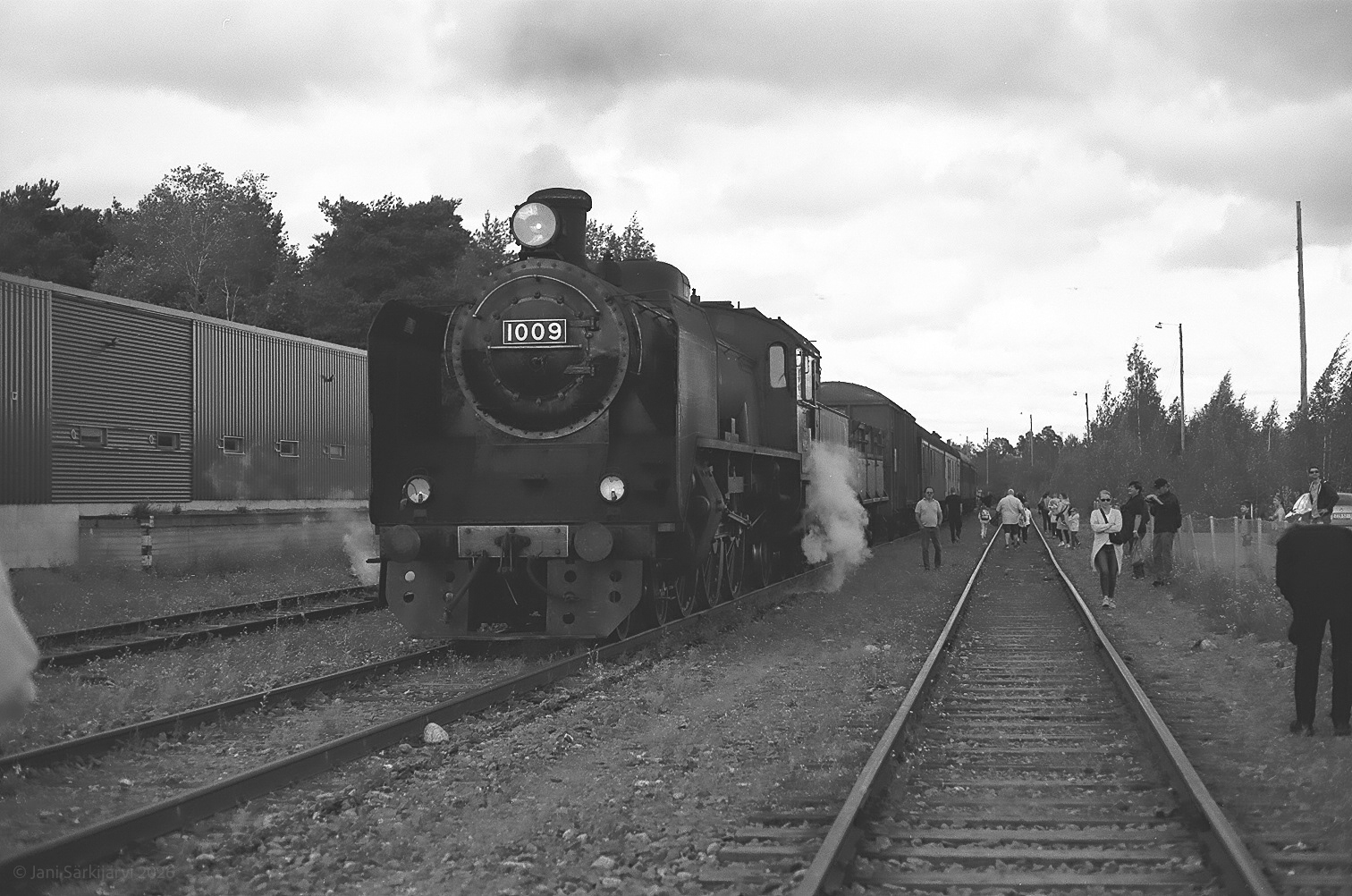
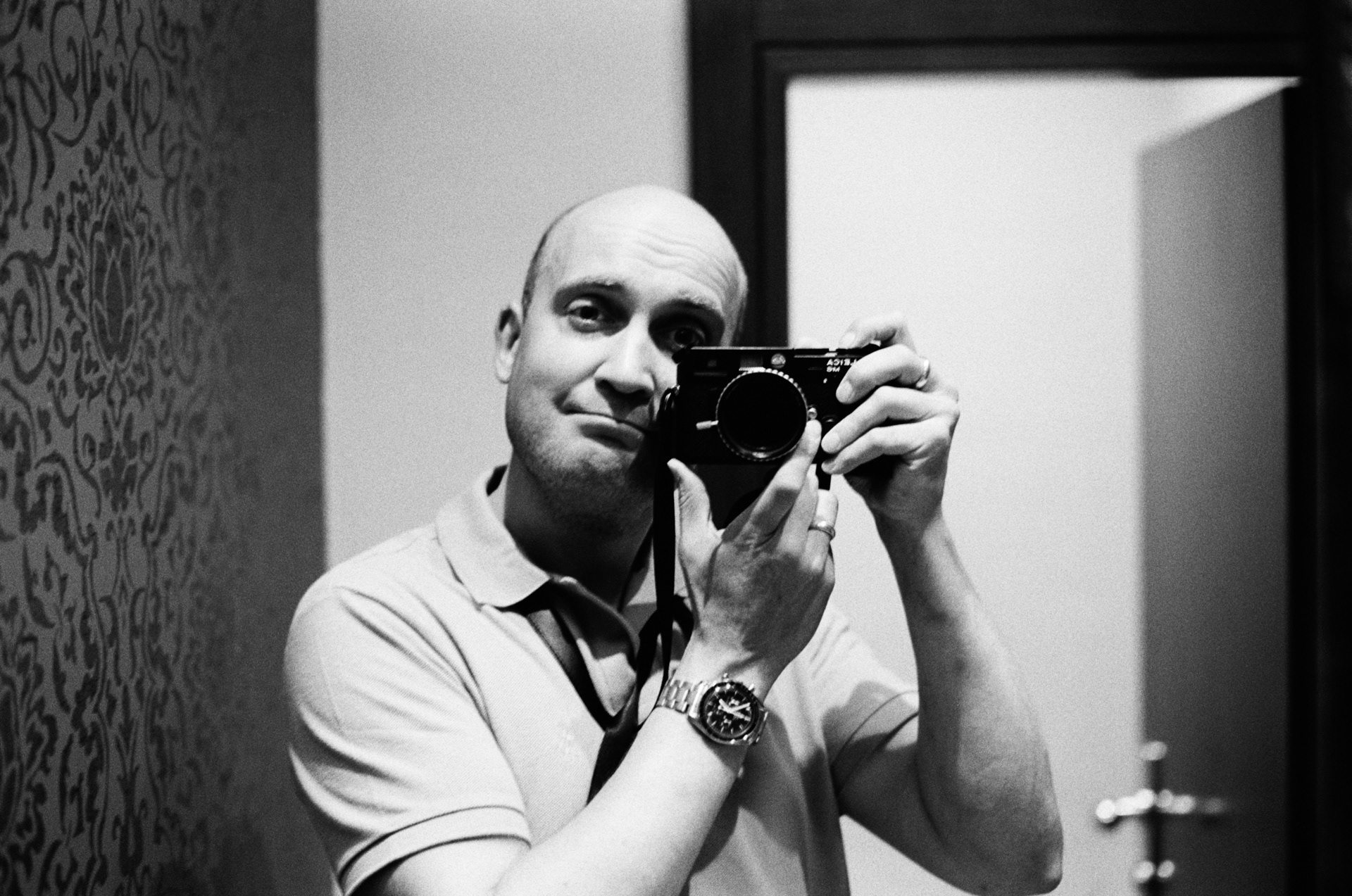
Imagine if time travel worked through photographs. Film makes this possible. A photograph shot today on Kodak Tri-X looks like it could belong to 1955 or 1975. Digital photographs carry the fingerprint of their decade's color science, processing trends, and presets. Film exists outside that current. Different eras have their own aesthetic signatures, but none carry the expiry date of a digital preset.
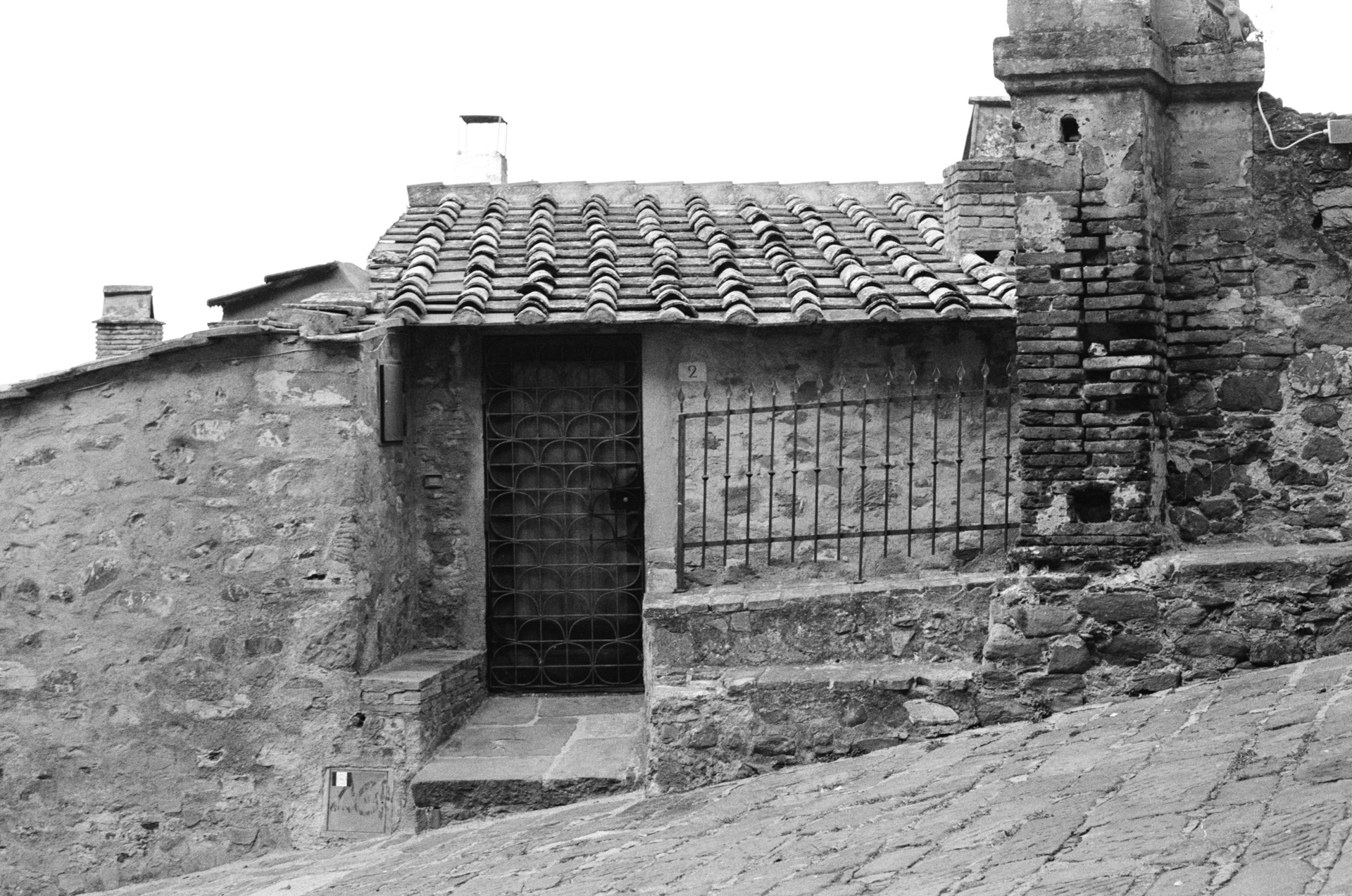
This is 2025 in Castiglione della Pescaia. Kodak T-Max 400.
Film simply receives light and holds it, chemically, permanently. No calculations. No artificial intelligence deciding what matters. The negative that emerges from development is evidence. Proof that the moment was real. No Content Credentials needed.
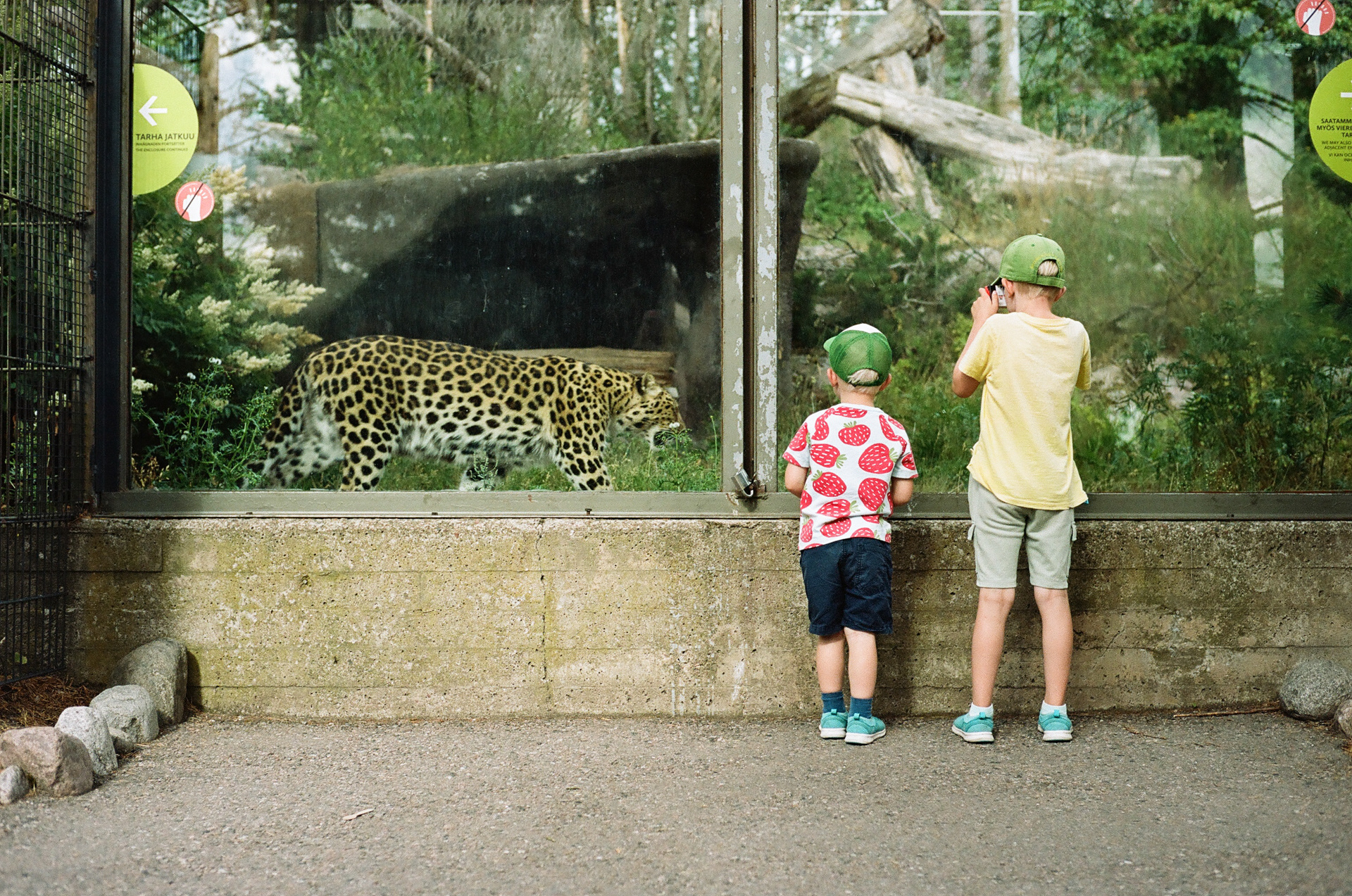
Sons watching a leopard walking around its cage in 2024. The oldest son took B&W photos with an Ilford XP2 disposable camera, which was developed at Kamera-Aitta with the same C-41 process as colour film. The colour photo is took with Portra 160, which is very fine grain professional film.
No IBIS, No Eye-AF, No AI enhancement. A rangefinder like the Leica M becomes an extension of thought. You set aperture and shutter speed with intention, focus and recompose. You press the shutter only when everything aligns.
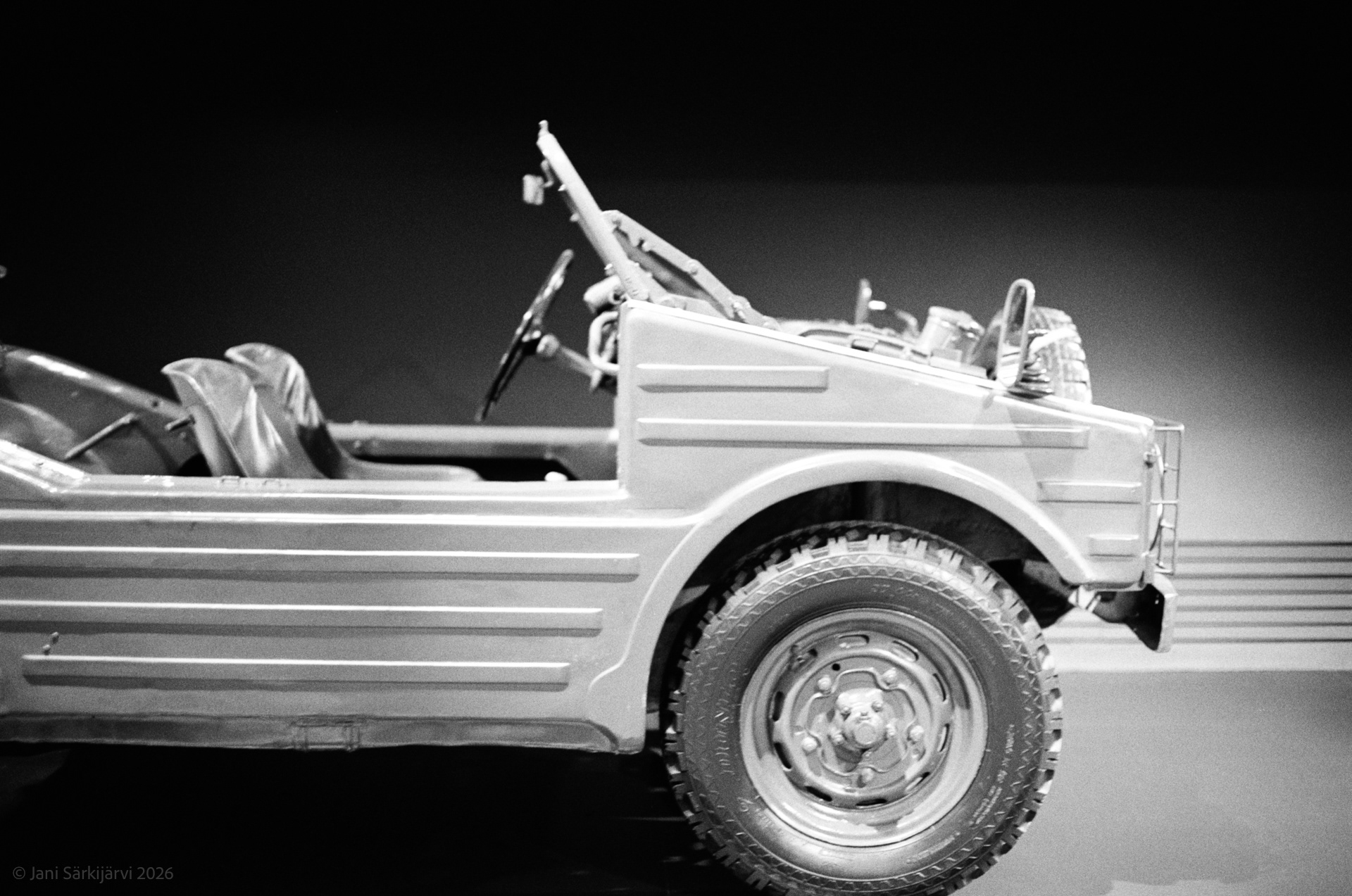
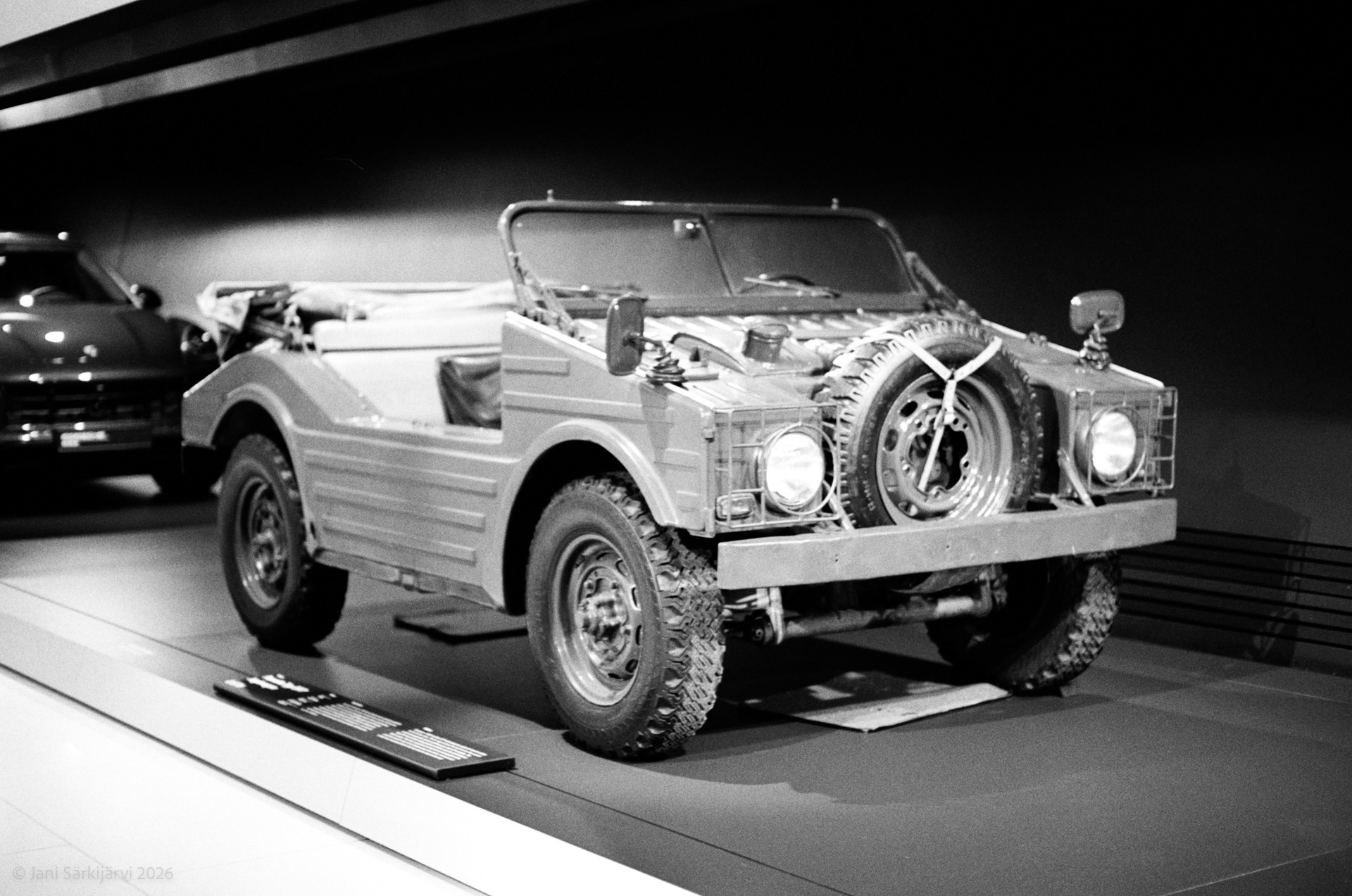
Porsche Jagdwagen on T-Max 400, 2024. Sometimes film speed is not perfect for the environment. In this case it caused low shutter speed. But image sharpness is overrated. Motion blur lifts character.
A 35mm roll holds about 38-39 frames. That limitation is a discipline. Each frame costs something. You pause. You consider. You compose. When the result isn't visible until days later, the act of shooting becomes memorable itself, burned into recollection alongside the image. Digital images, taken in volume, blur into an undifferentiated archive.

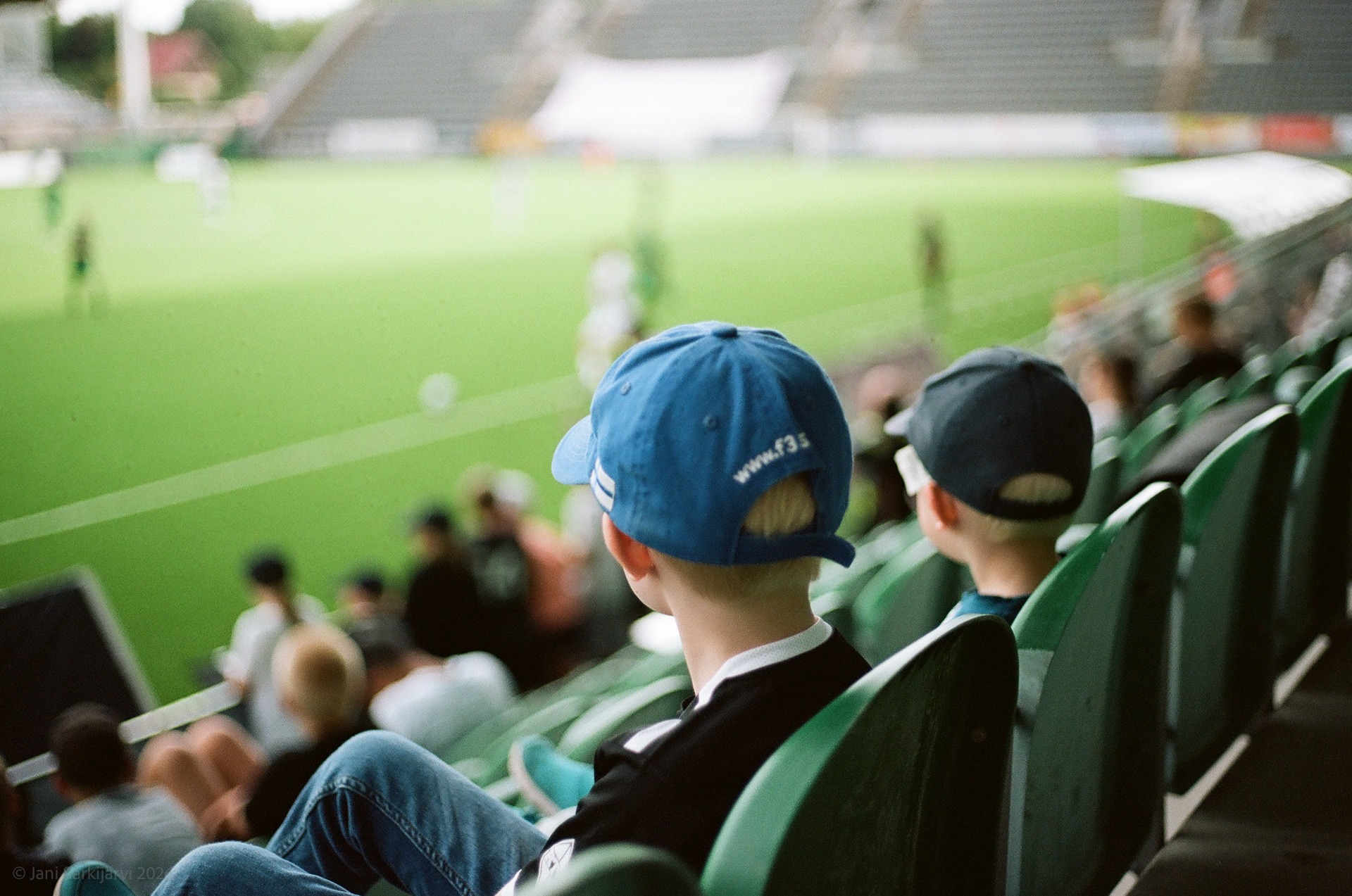
Kappeli in Helsinki, 2024. Kodak Gold 200.
Film rendering is organic because it wasn't processed. The micro-contrast, tonal gradation, dynamic range. These emerge from physics and chemistry, not algorithms. Of course, high-quality glass is important in analog and digital. Fujifilm has invested in film simulations. And made it close. Other brands, like Leica evolve their "looks". But weakening a clinical digital file doesn't produce a film photograph. It produces a digital file pretending to be something it isn't.
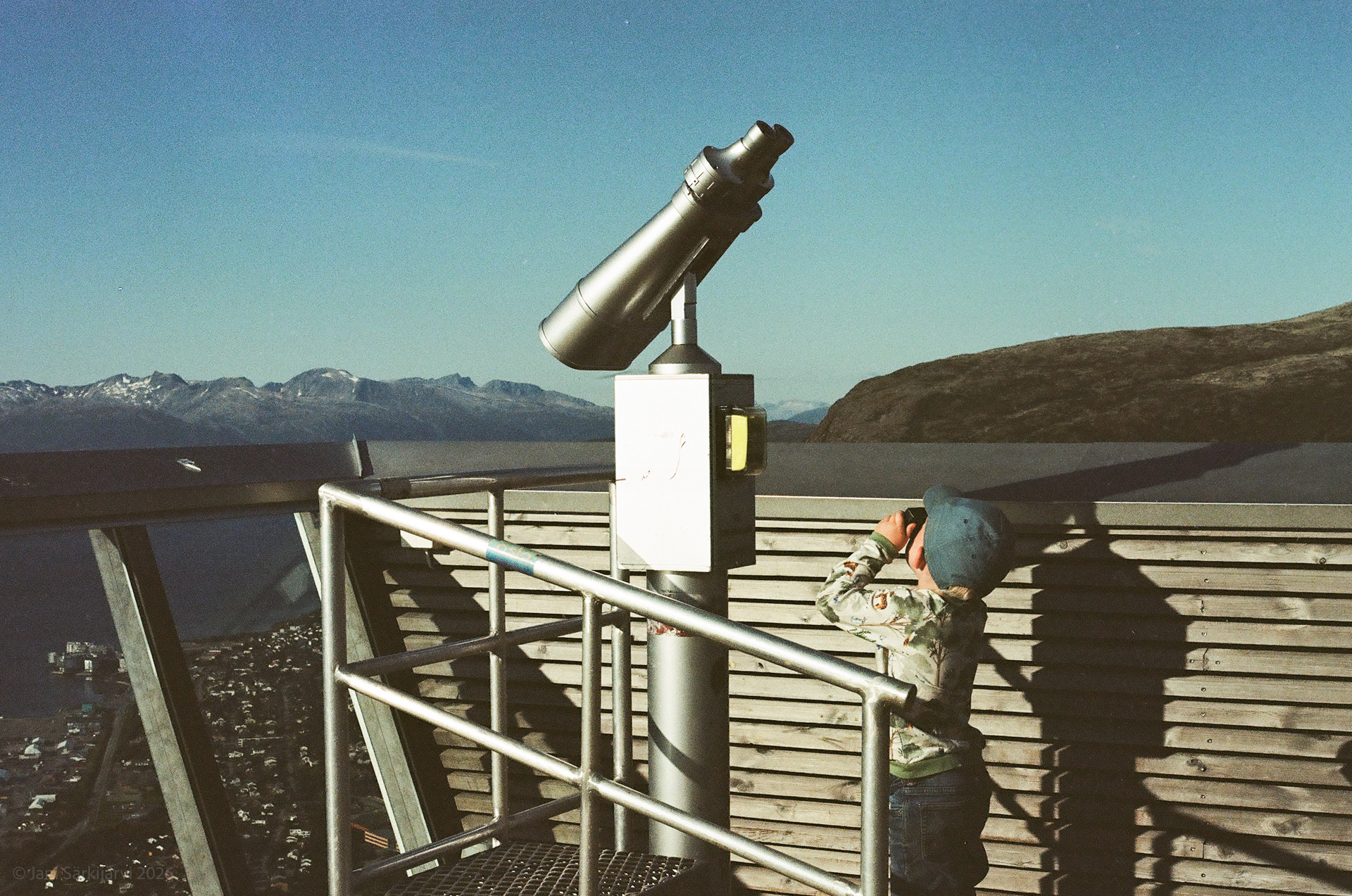
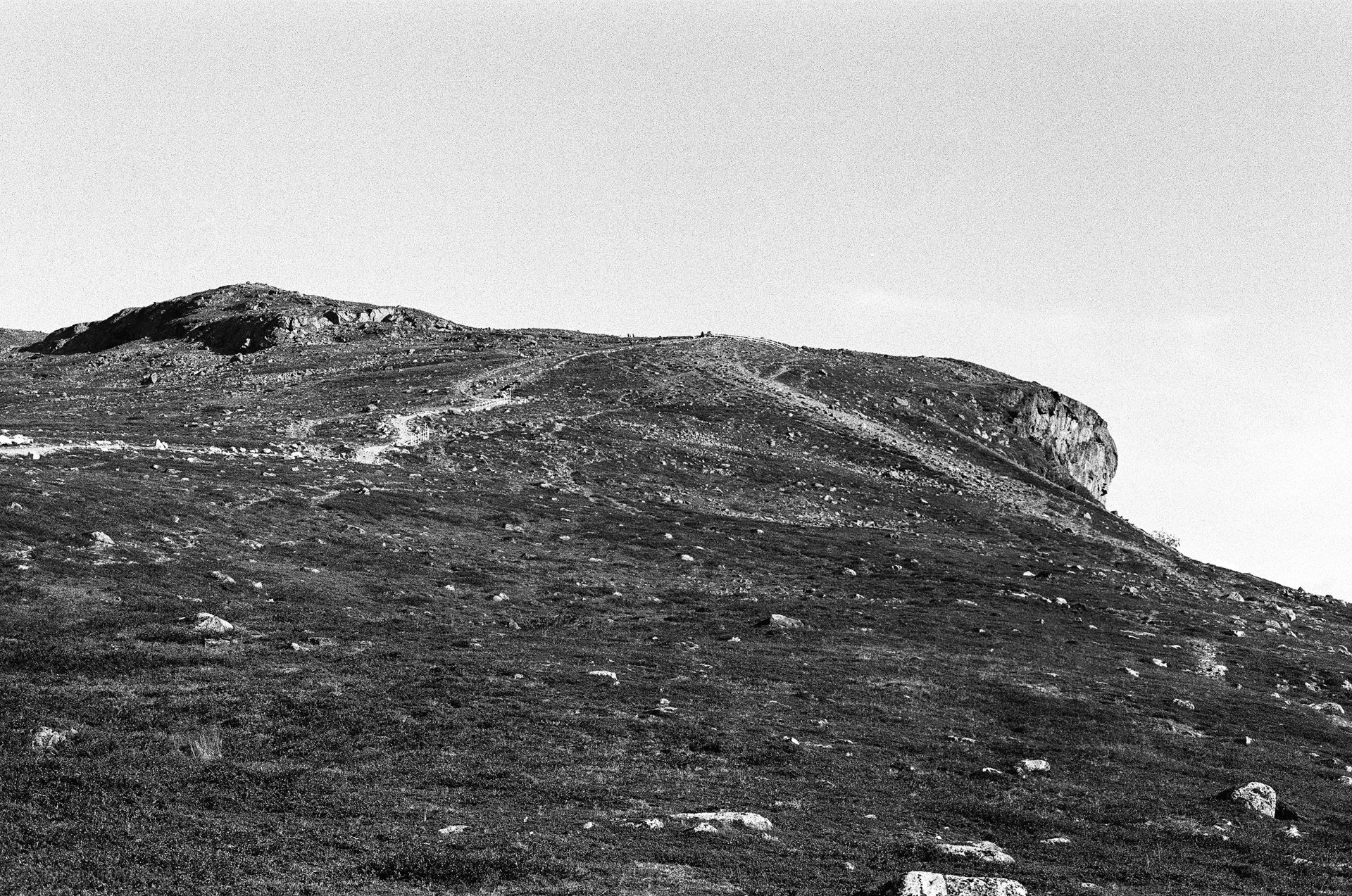
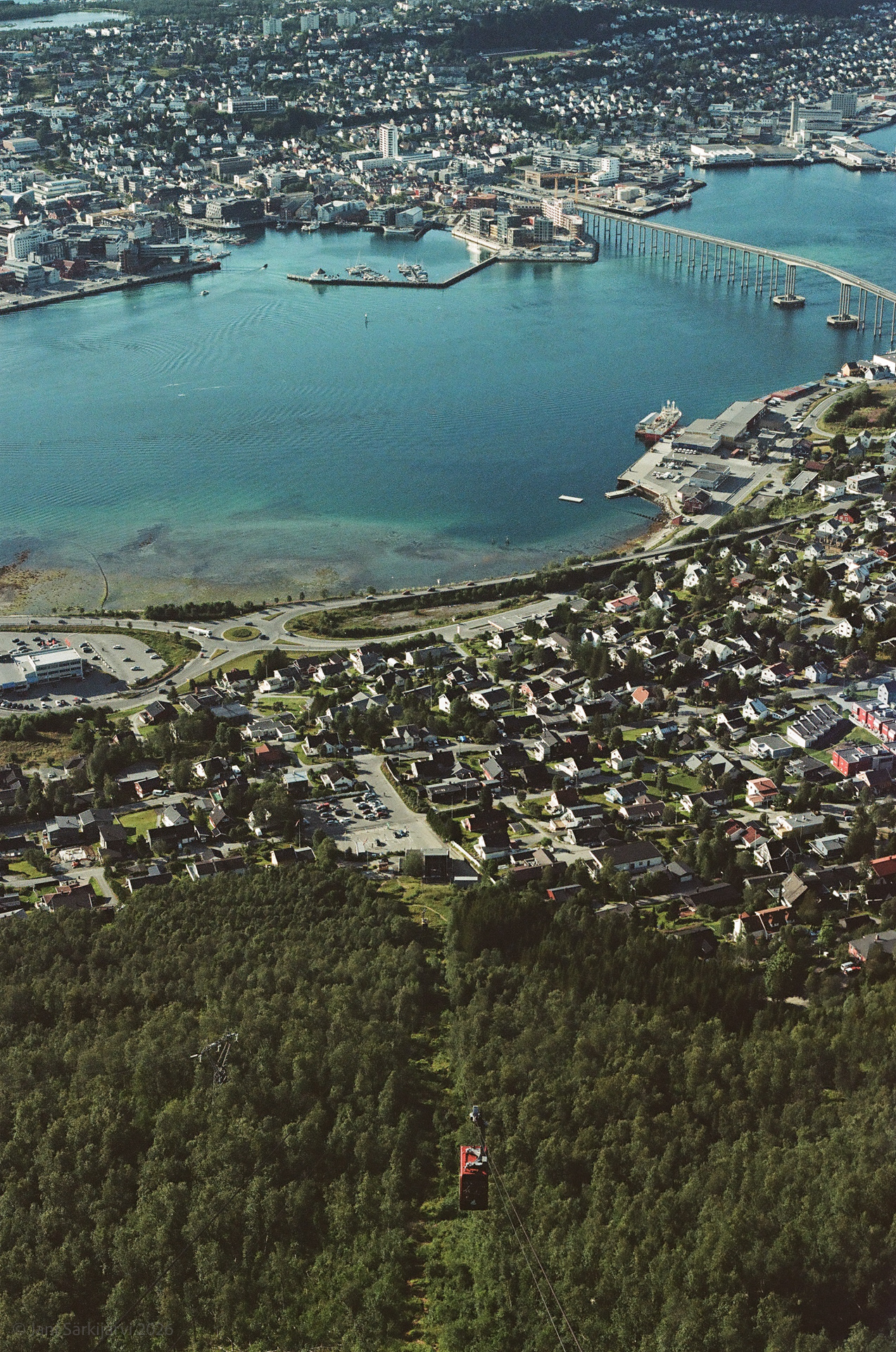
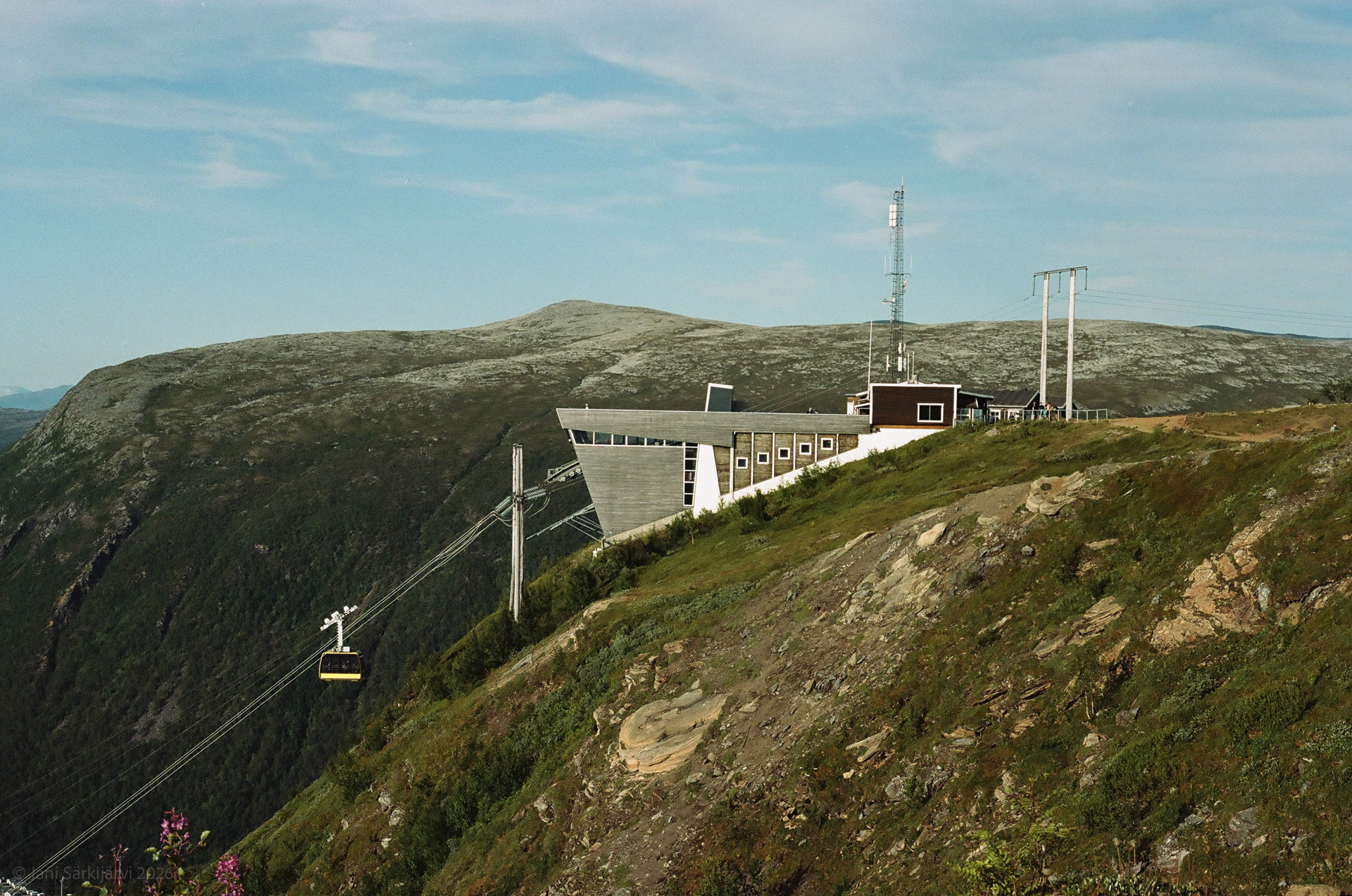
Fjellheisen.
The negative is archive. A film negative is physical evidence. It cannot be faked, corrupted, or made obsolete. It can be scanned again decades later. In an era where image authenticity requires blockchain verification, film carries its proof within itself.

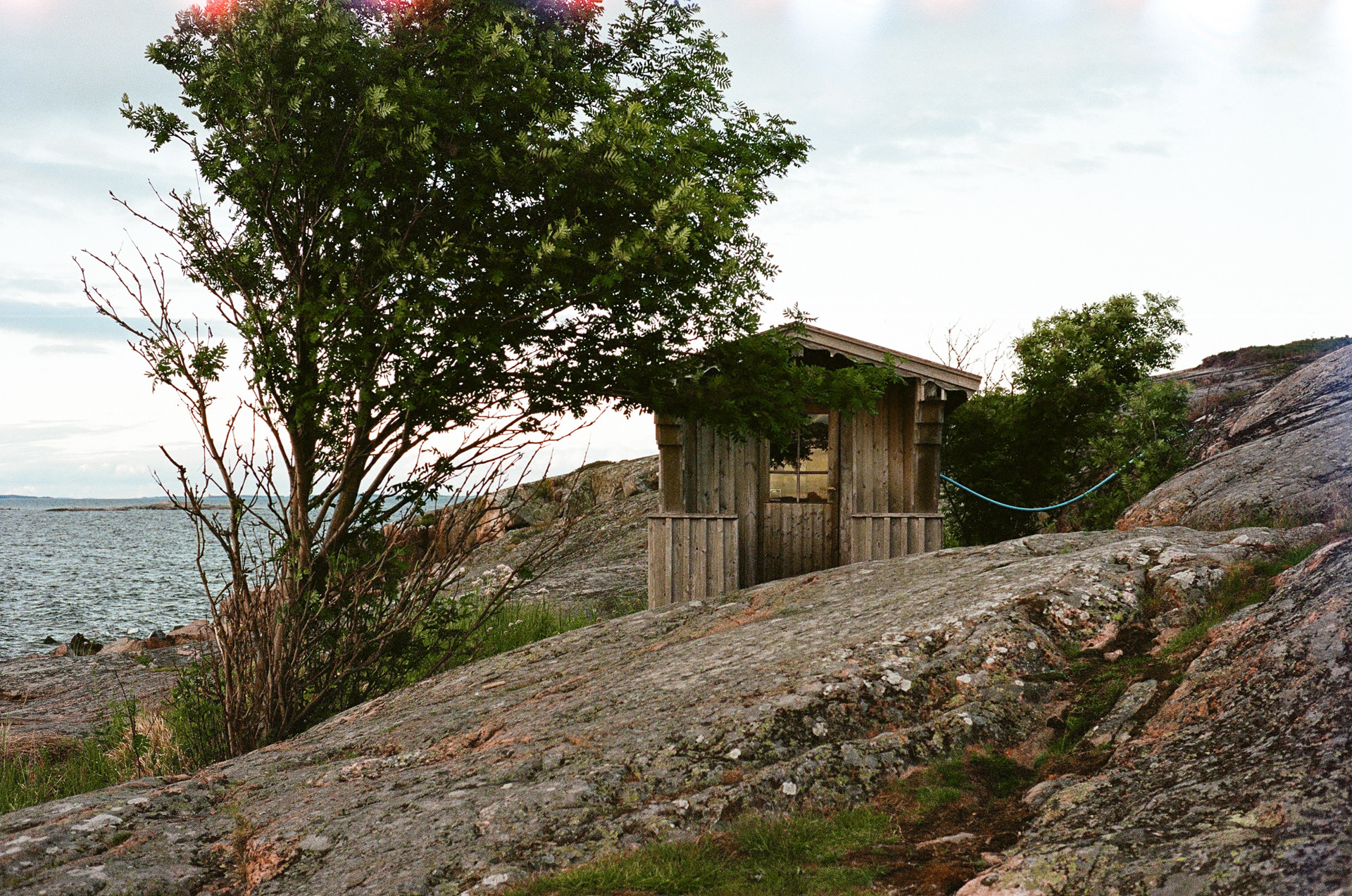
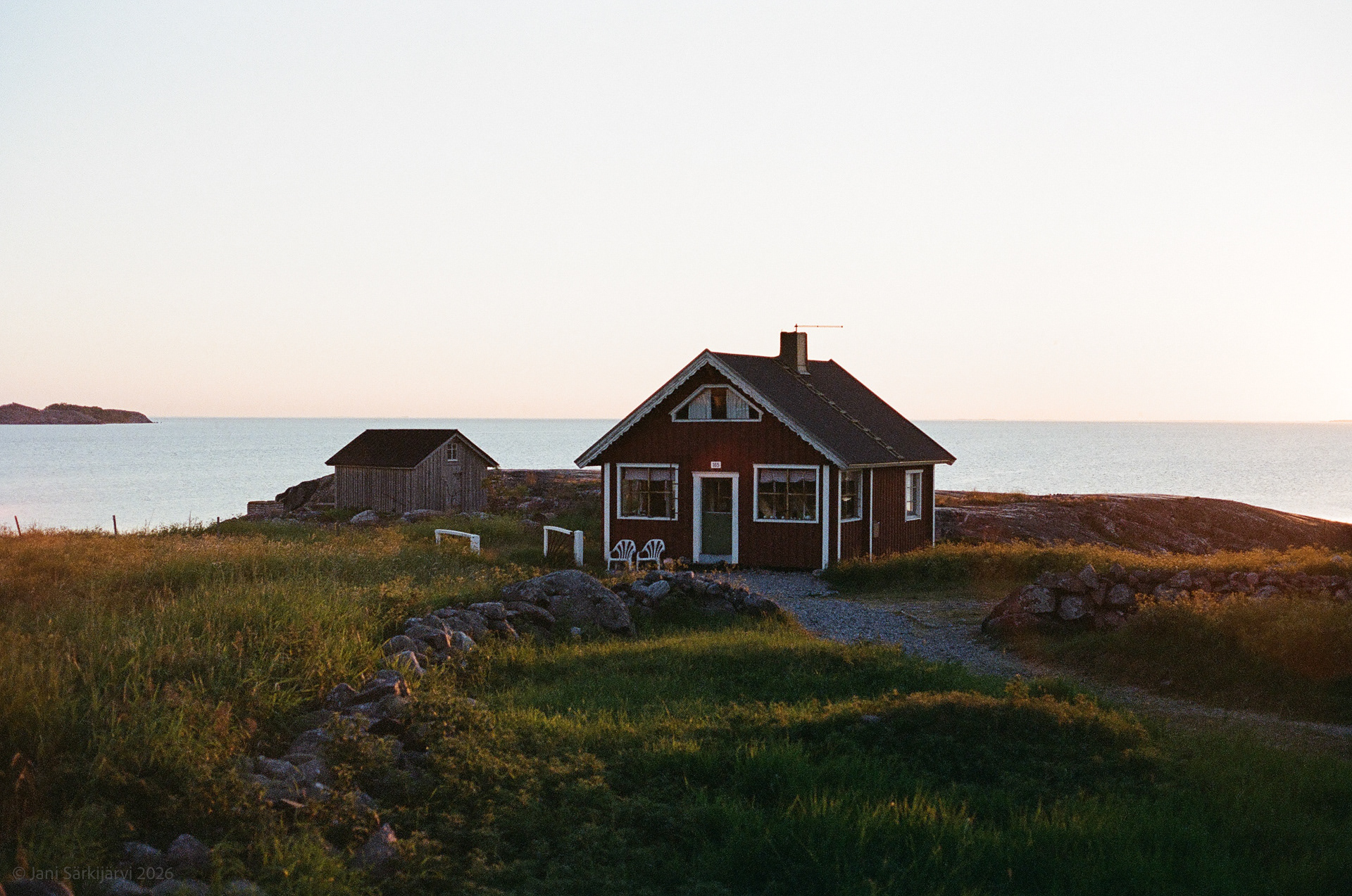
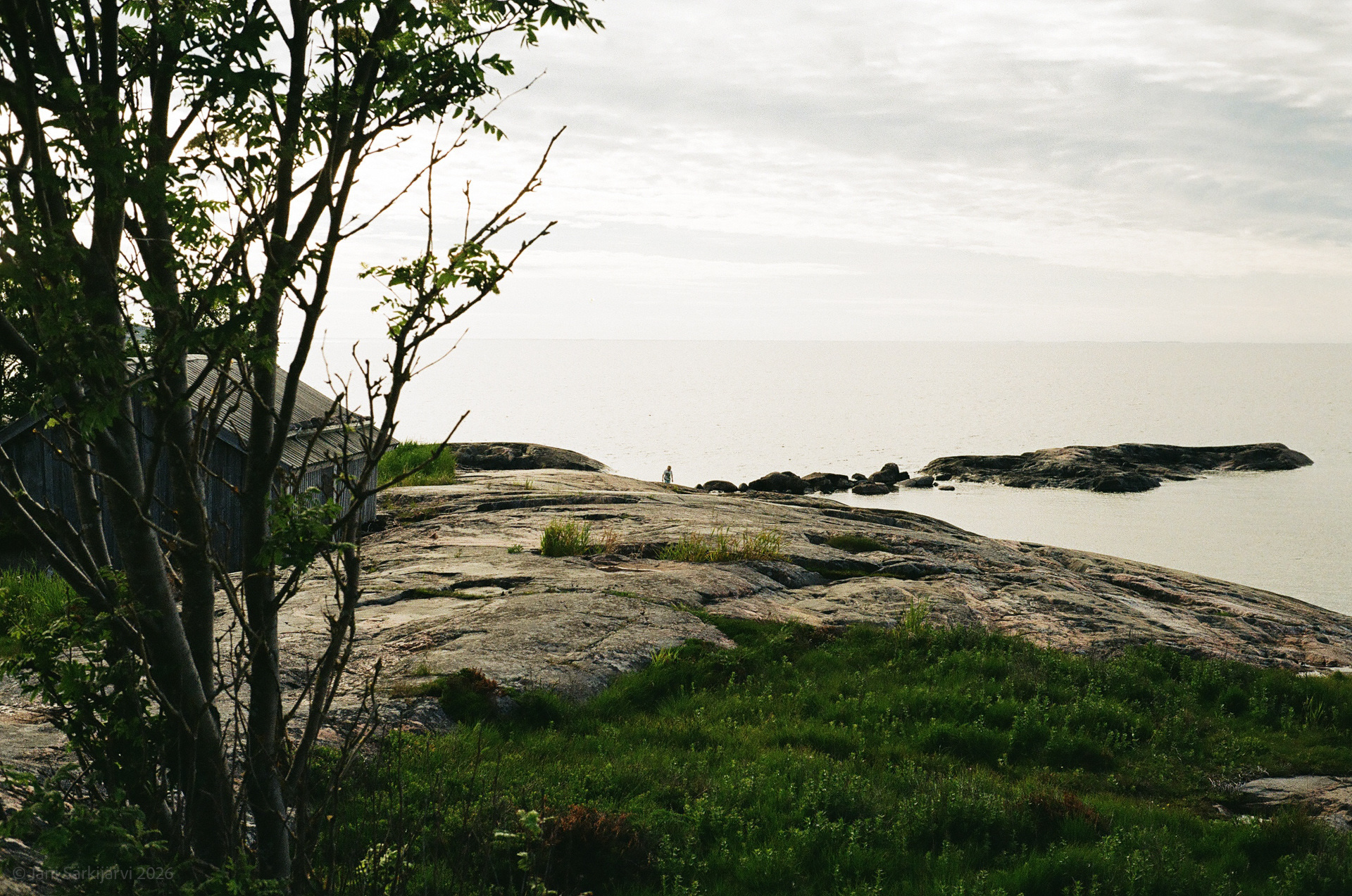
Jurmo in 2026. Kodak Gold 200.
Photography should be meaningful. Images should hold feeling, not just information. Film forces intention into every frame. The resulting photographs carry a weight that volume-shot digital images rarely achieve.
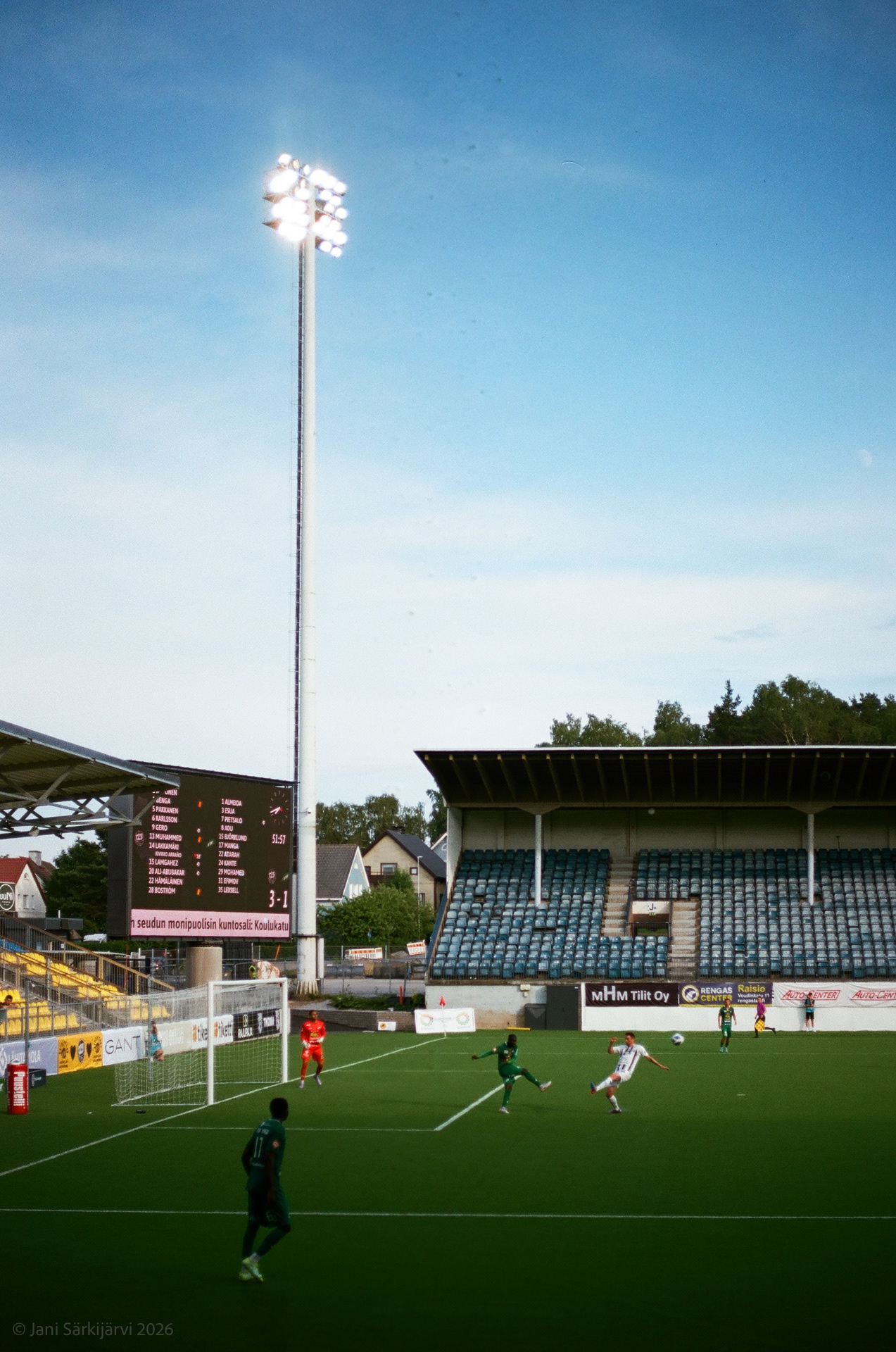
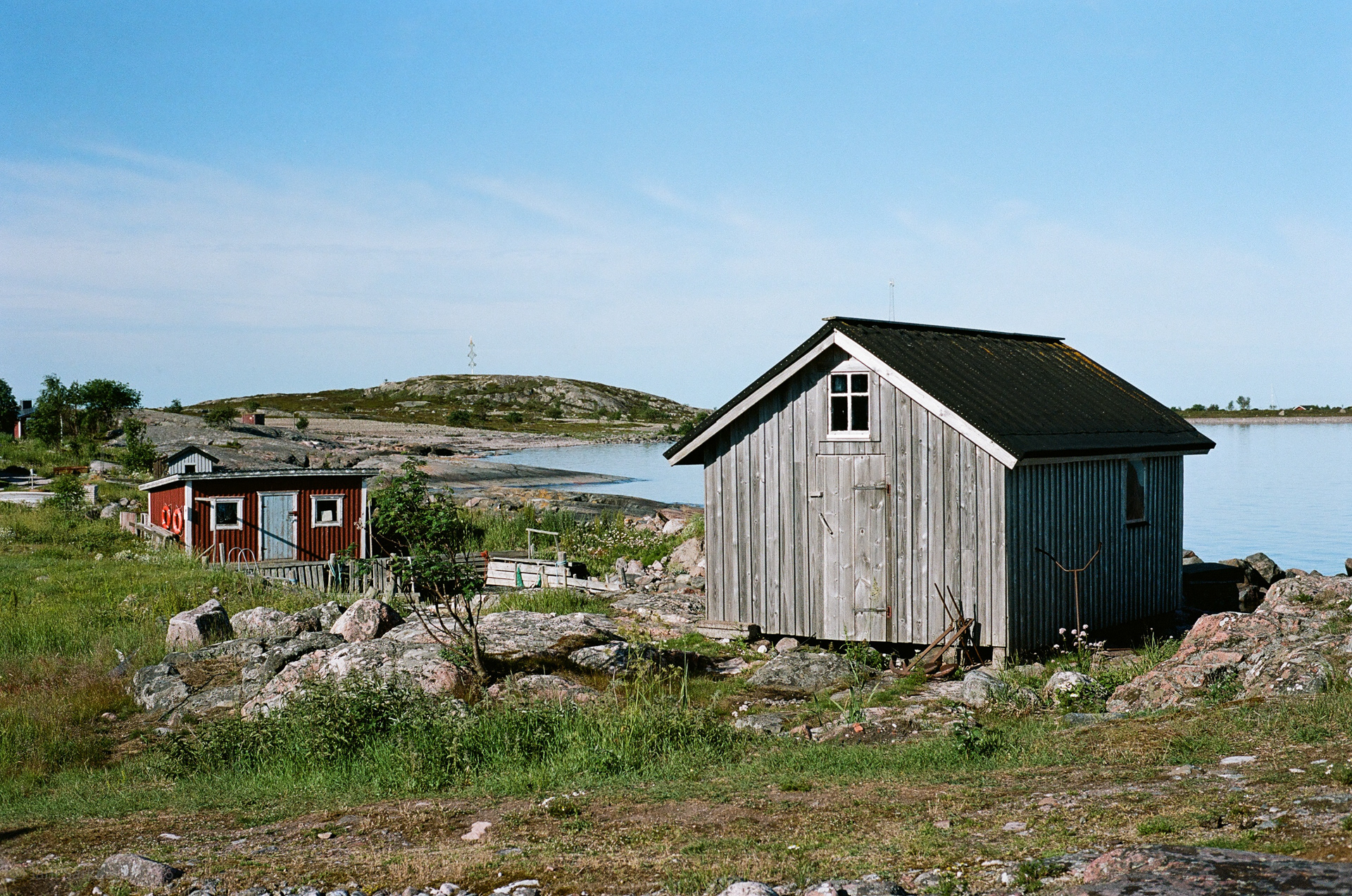
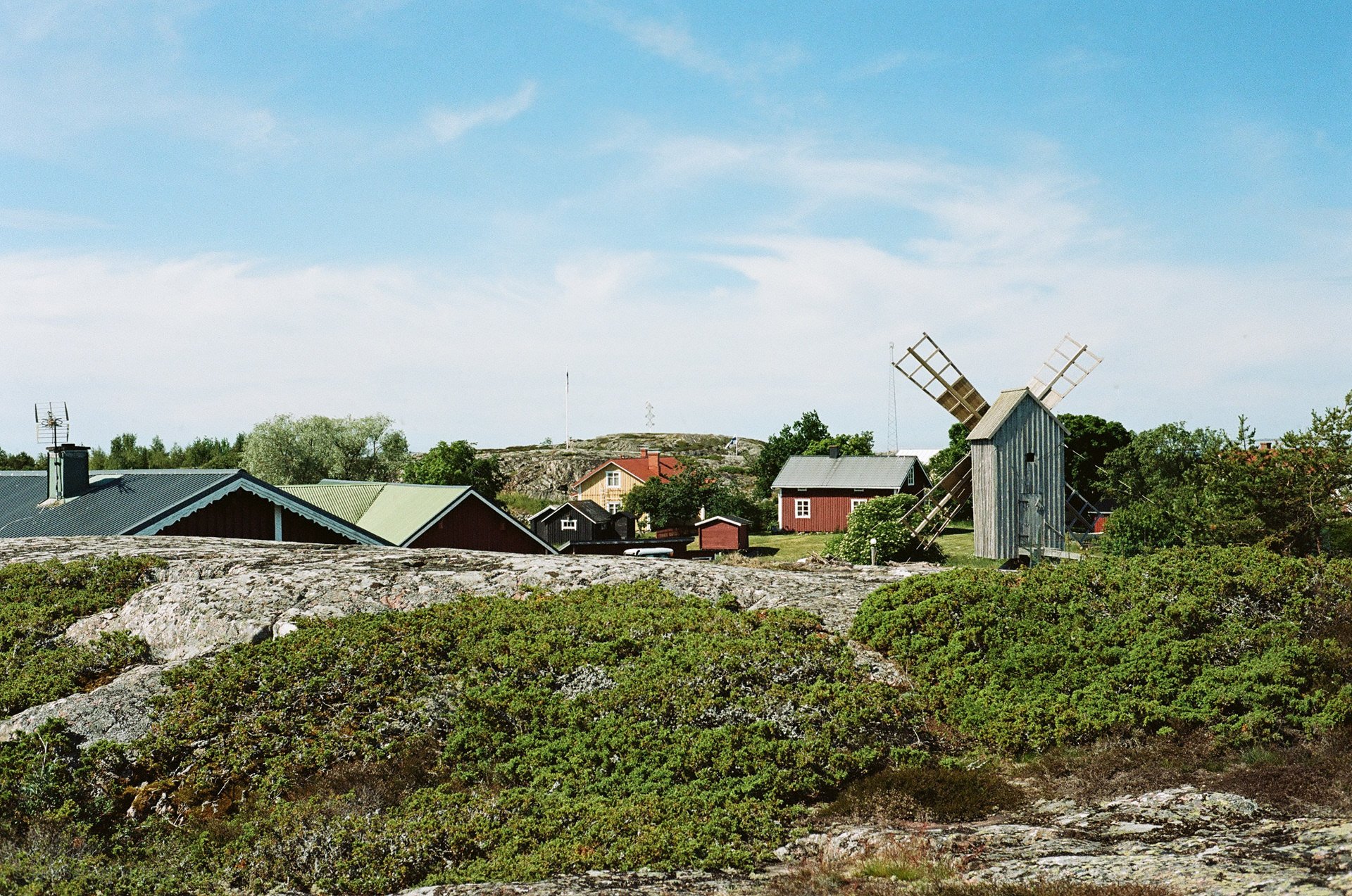
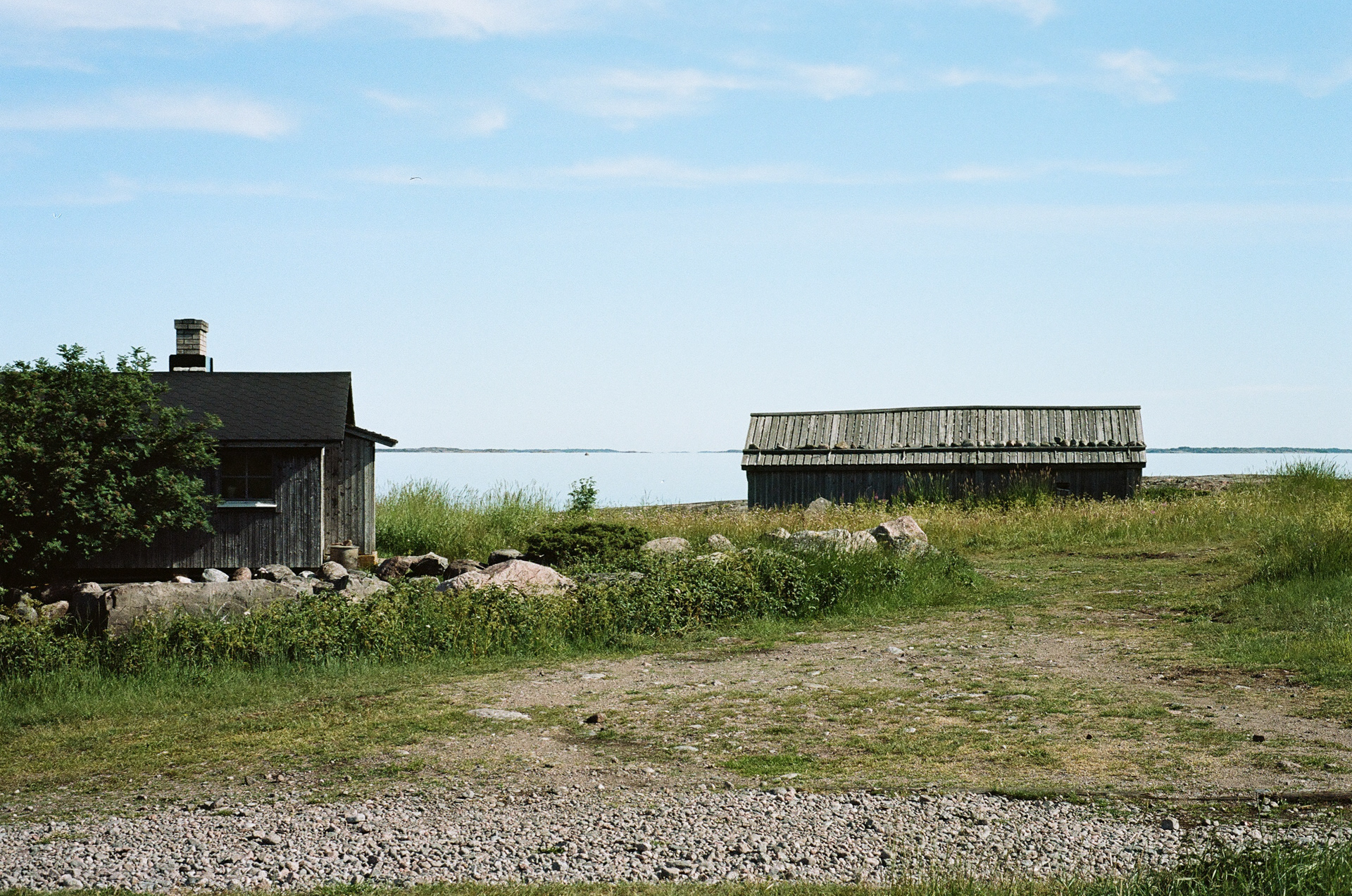
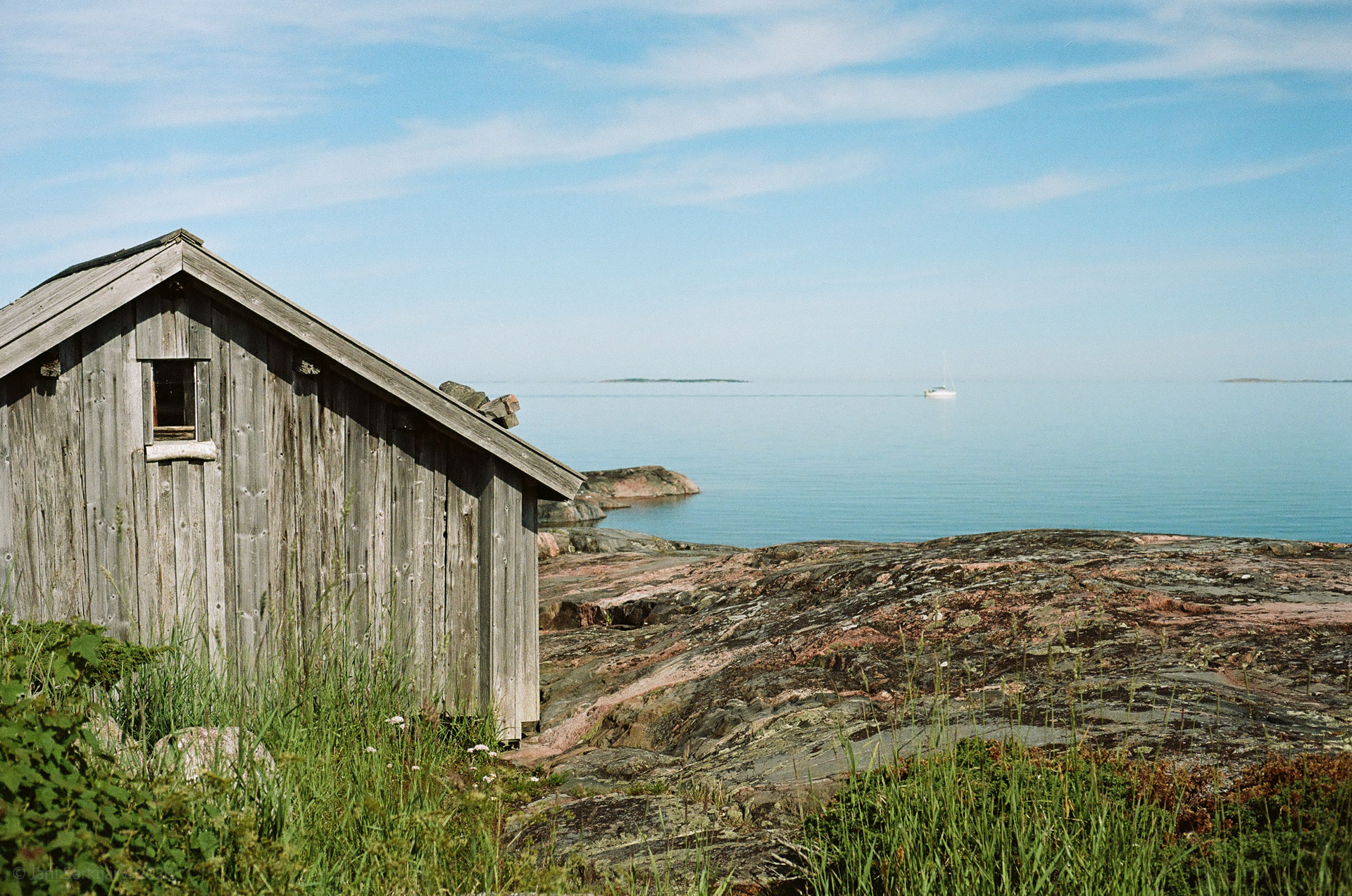
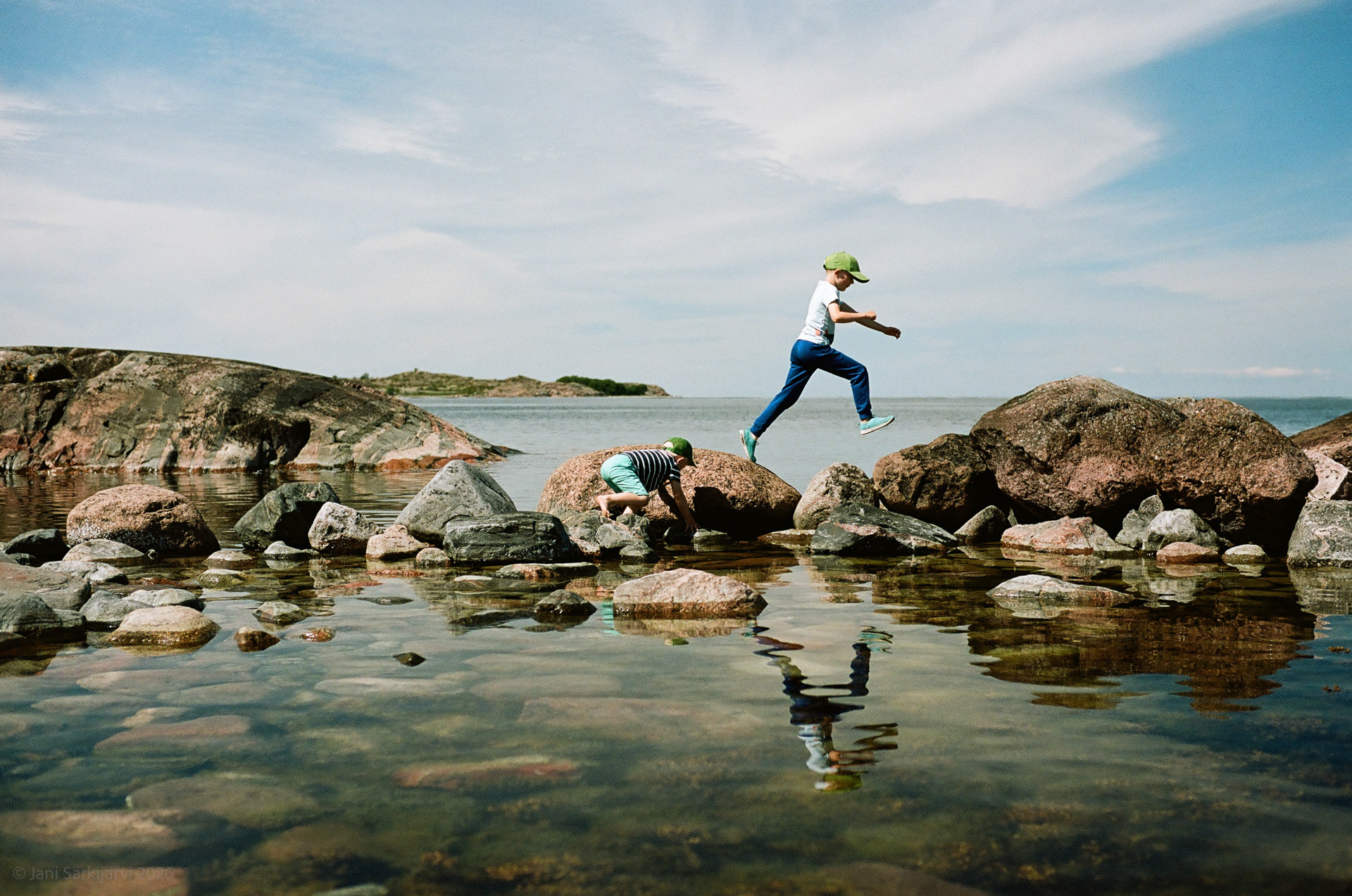
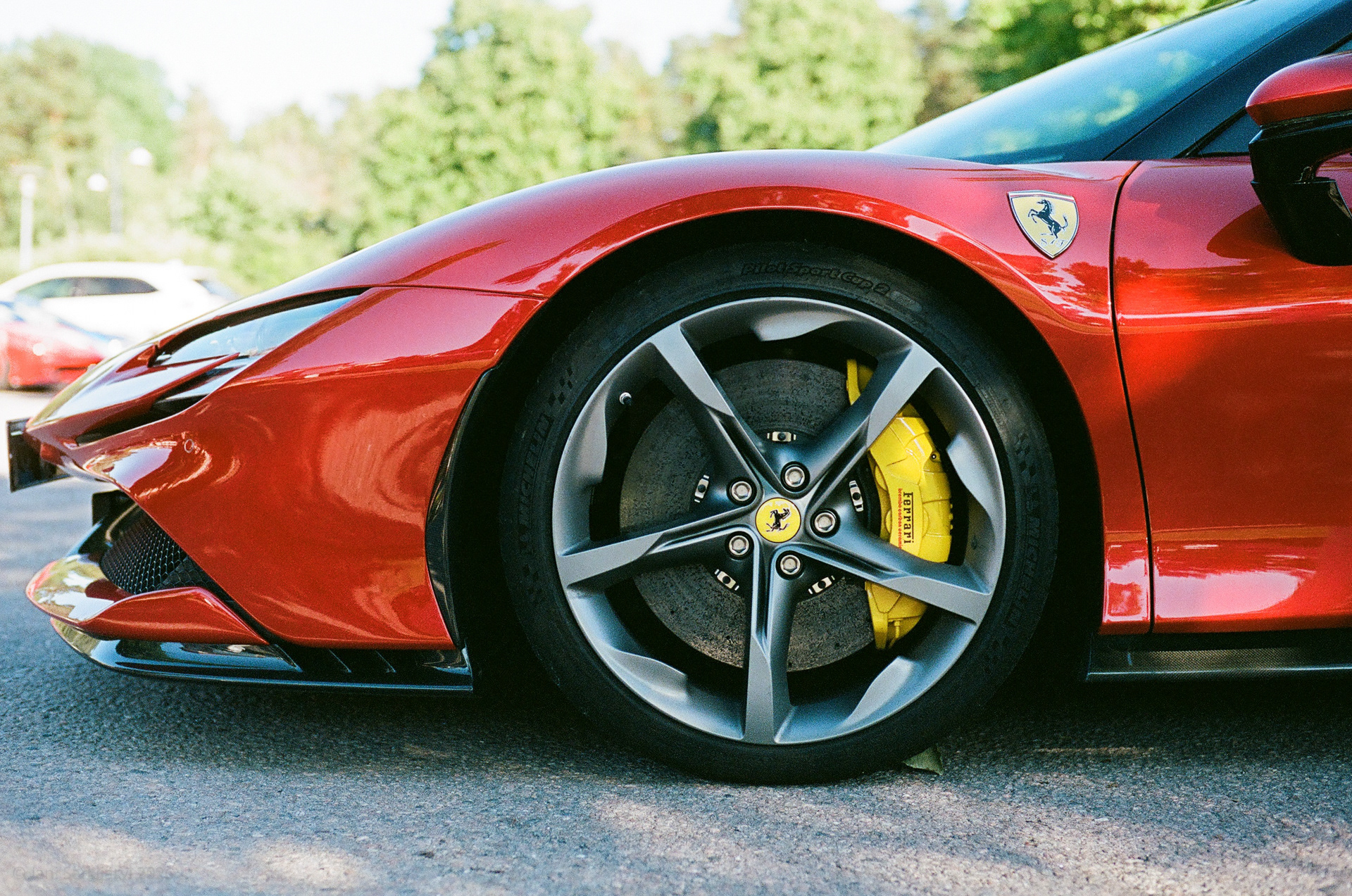
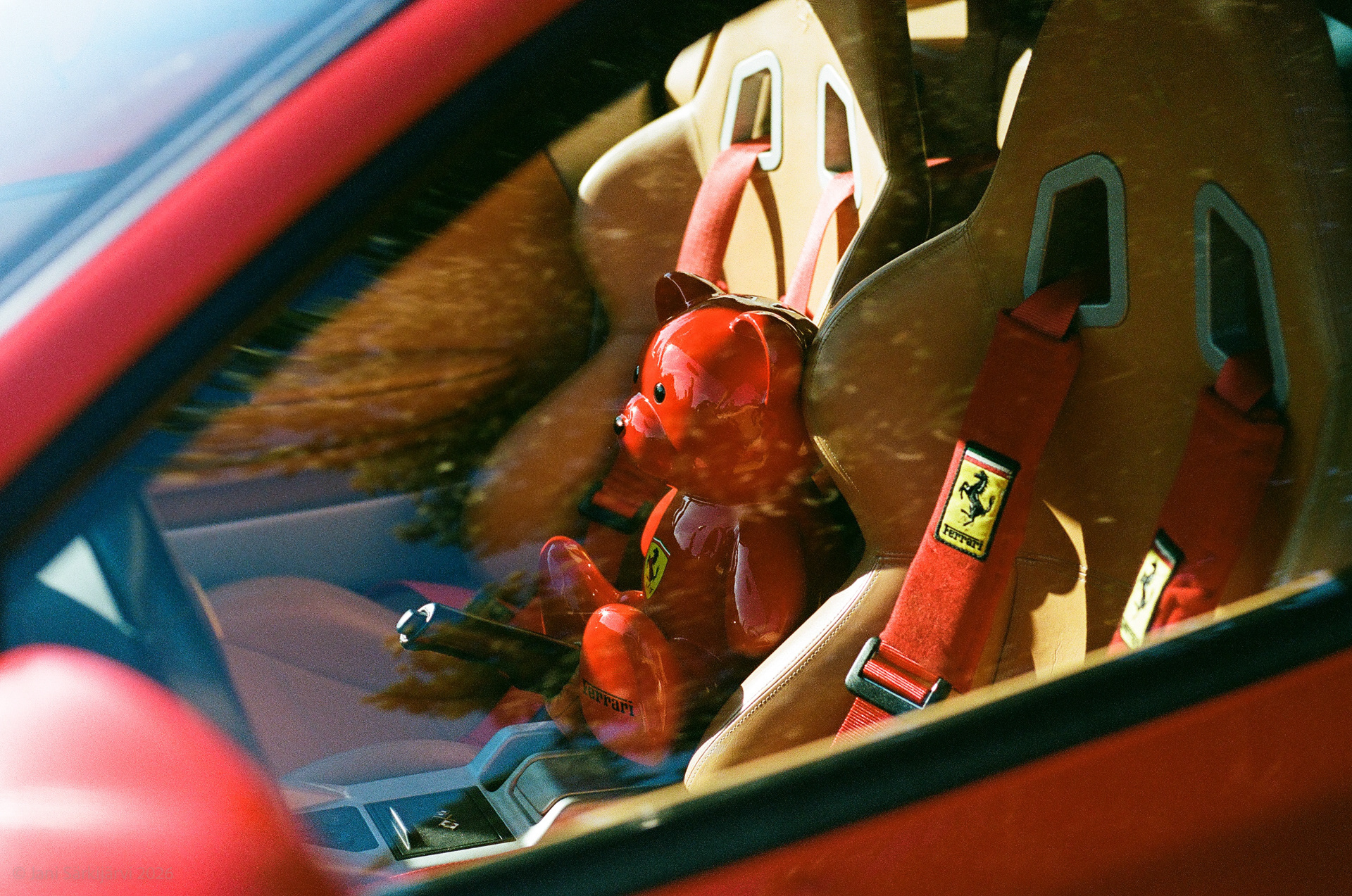
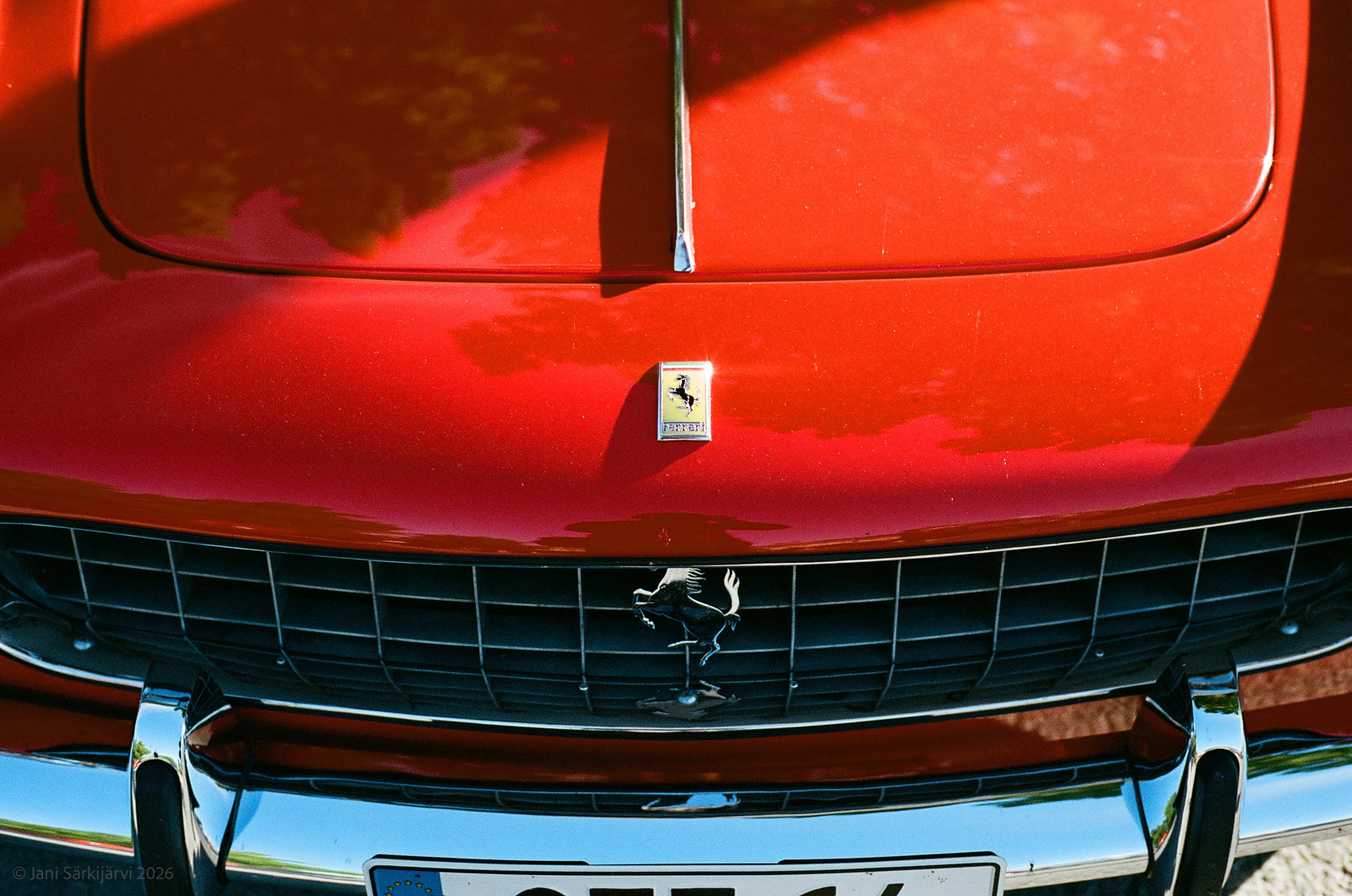
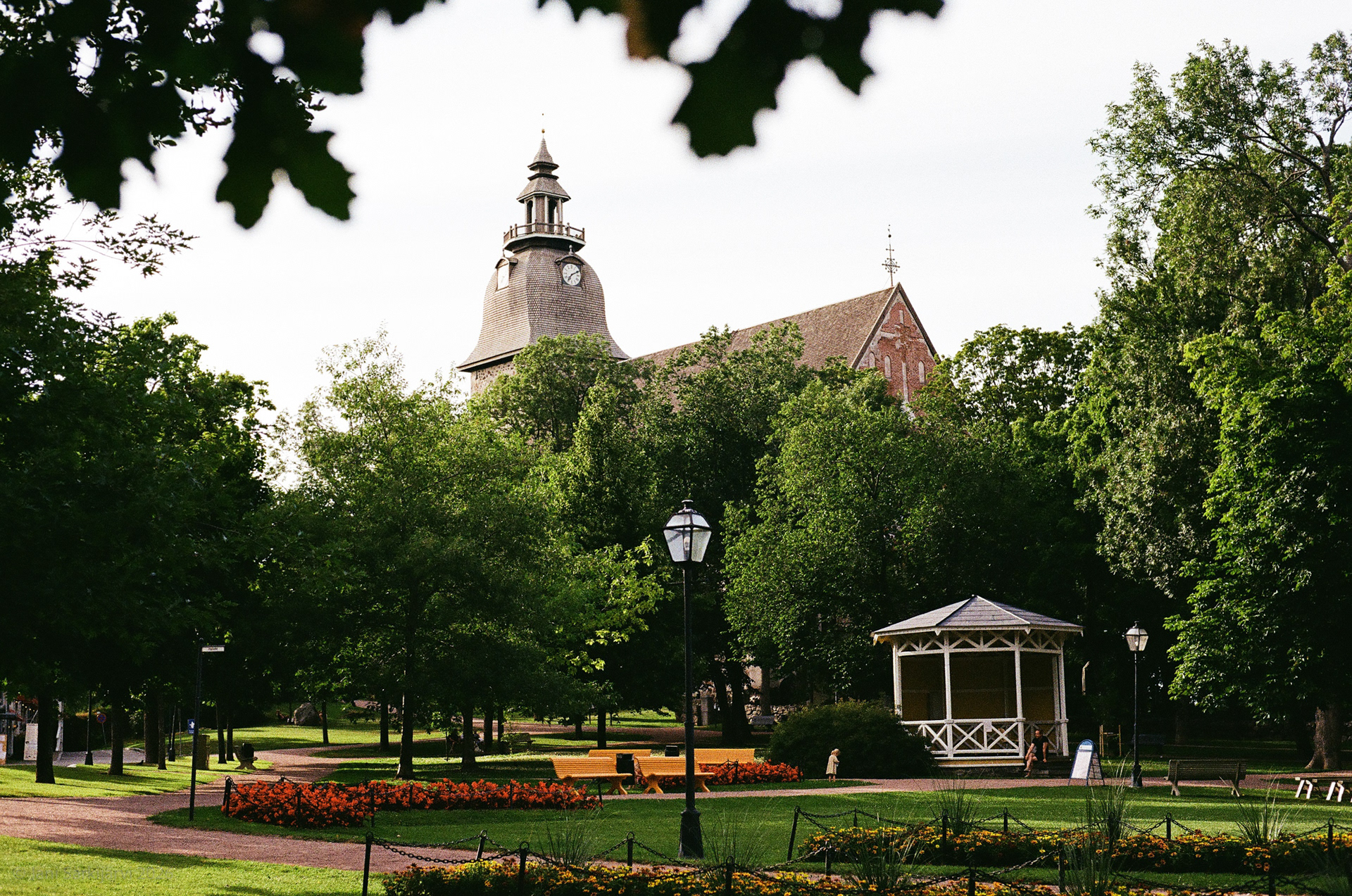
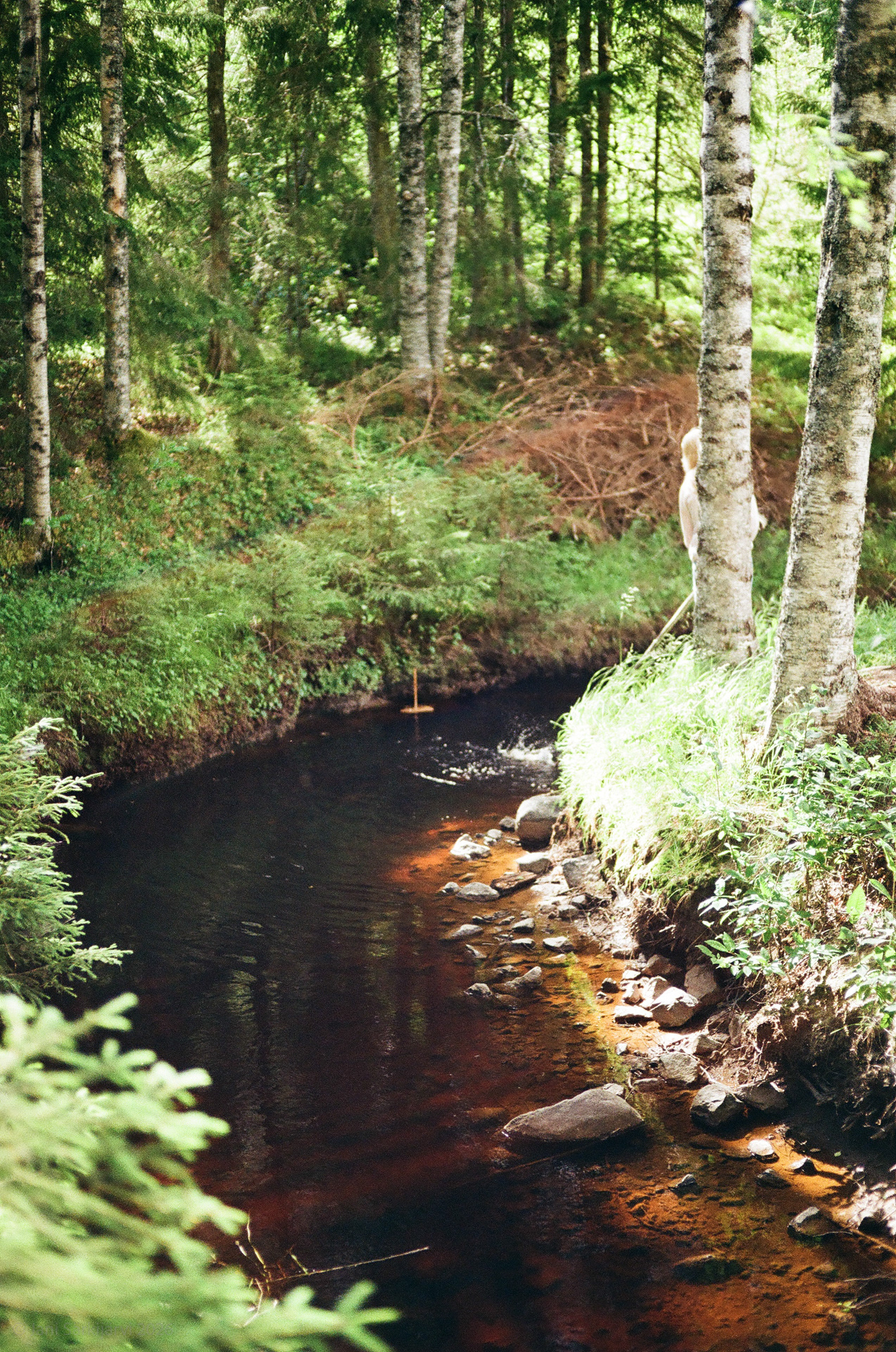
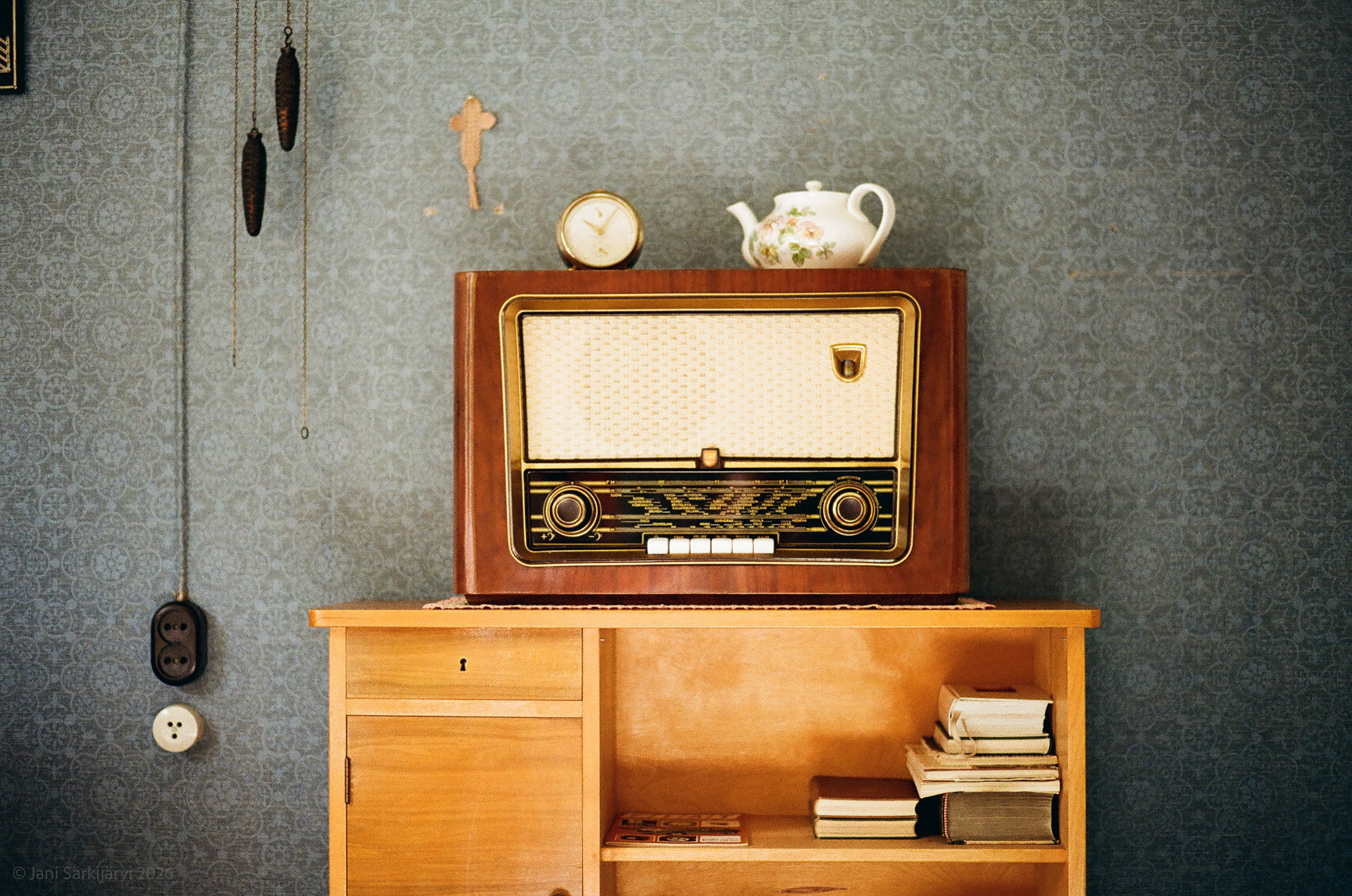
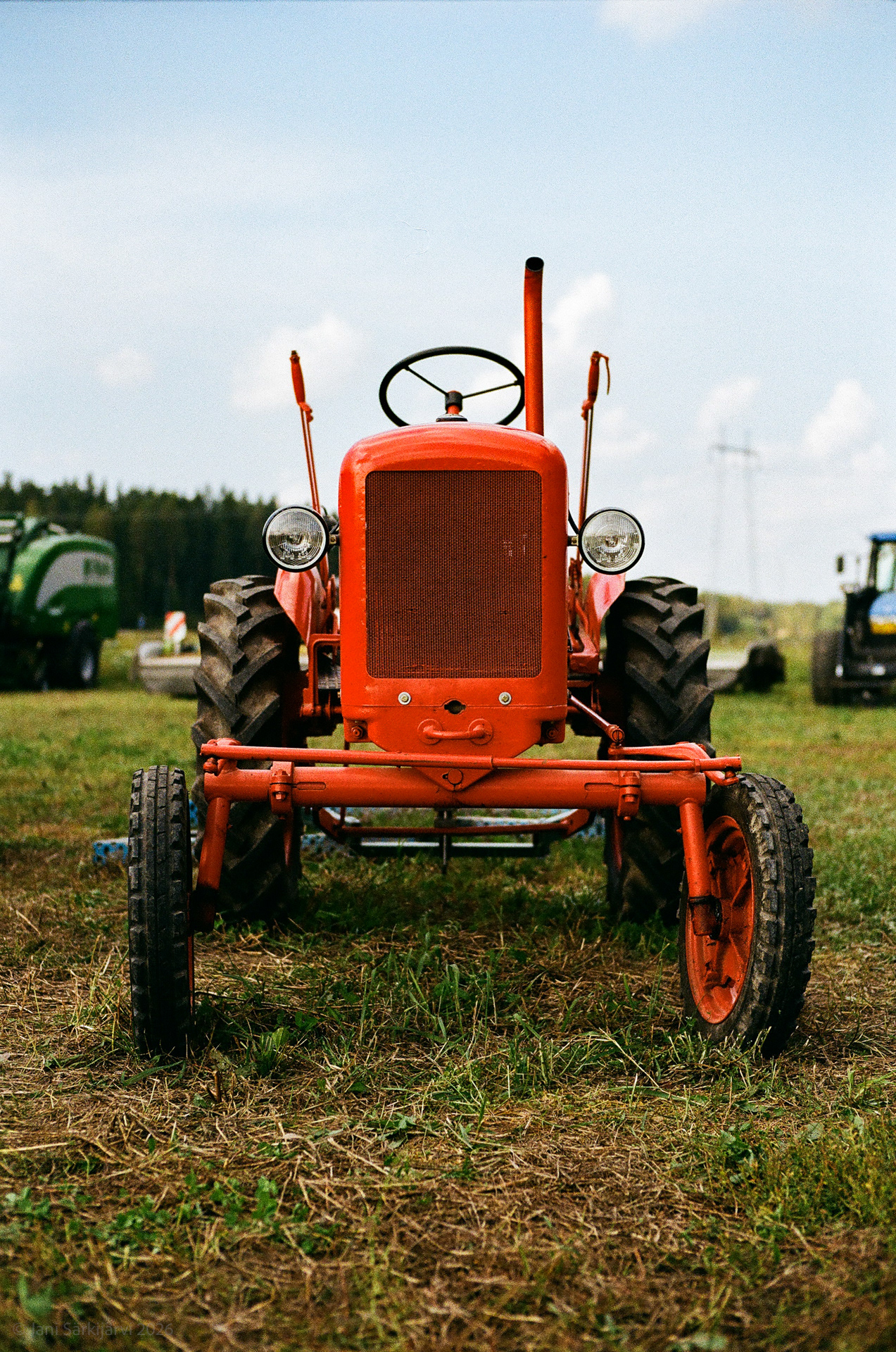
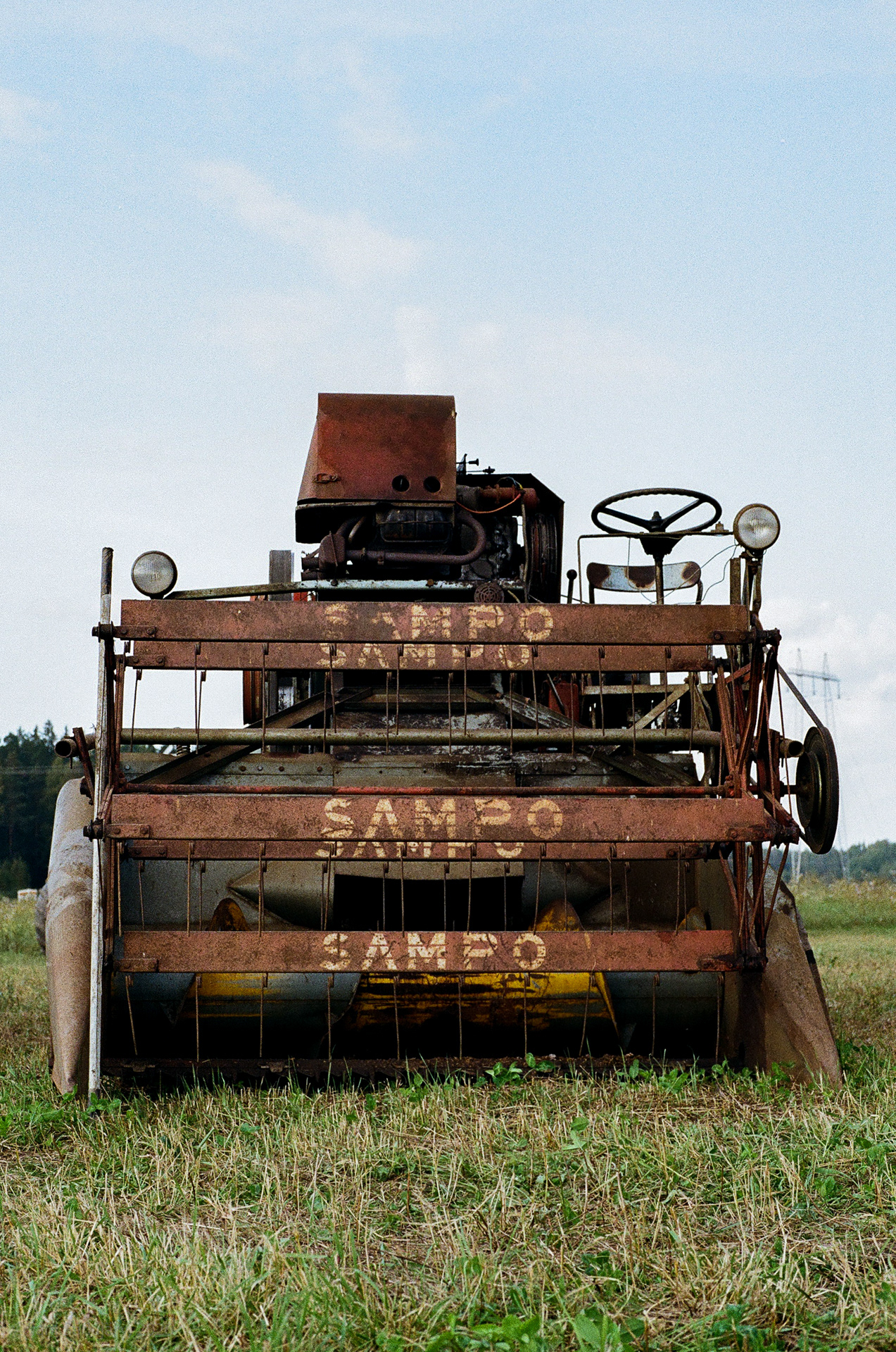
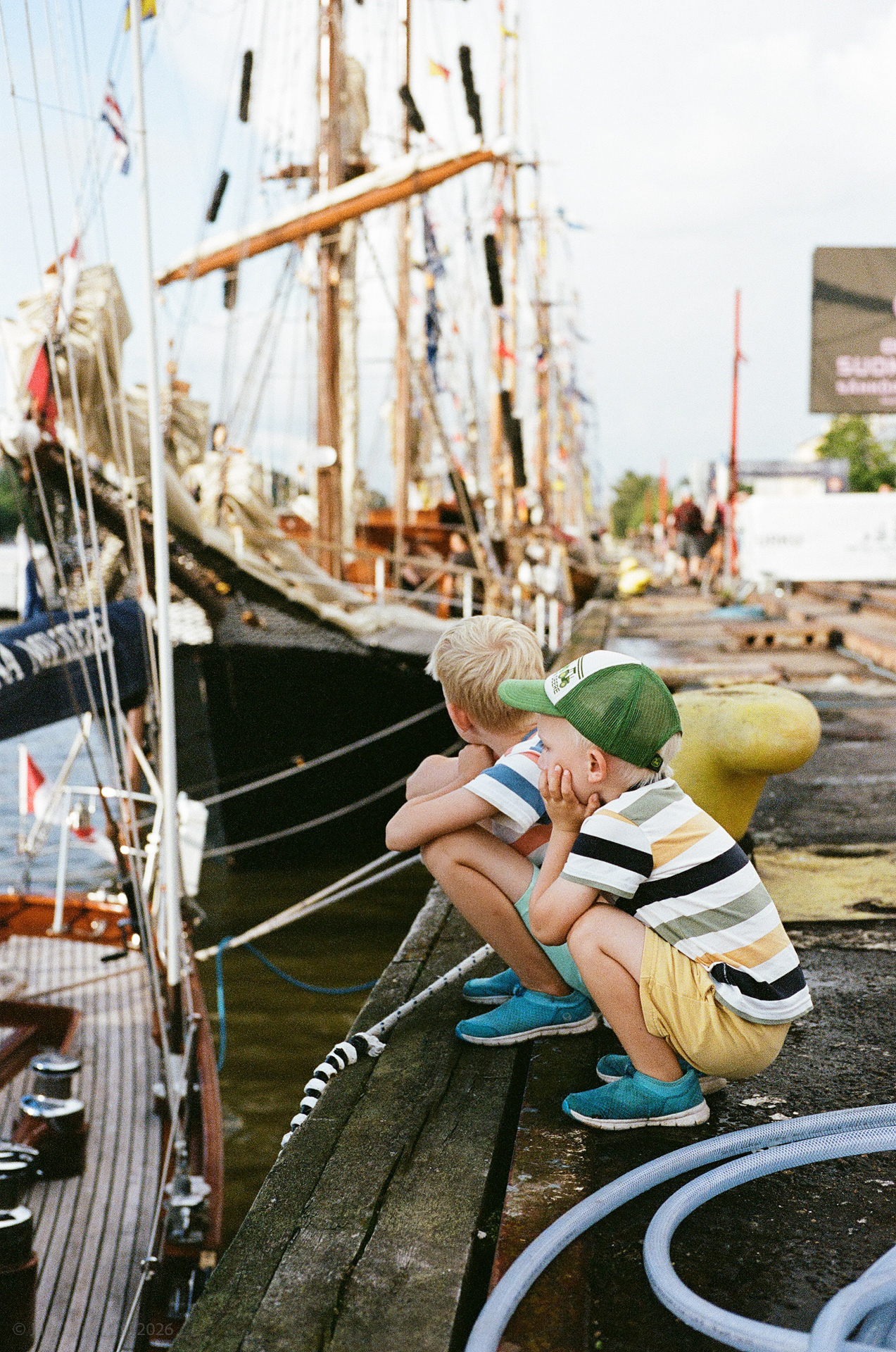
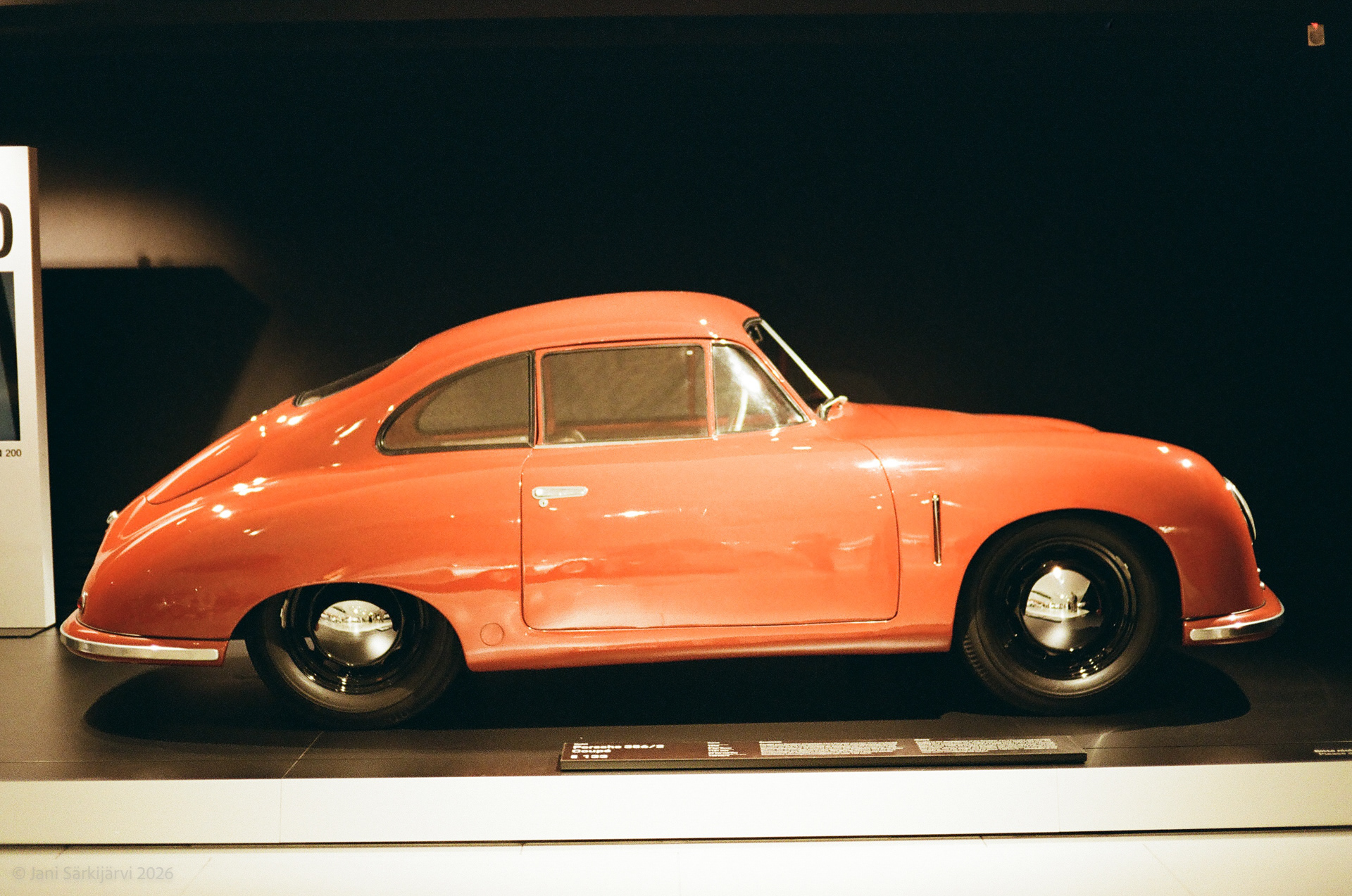
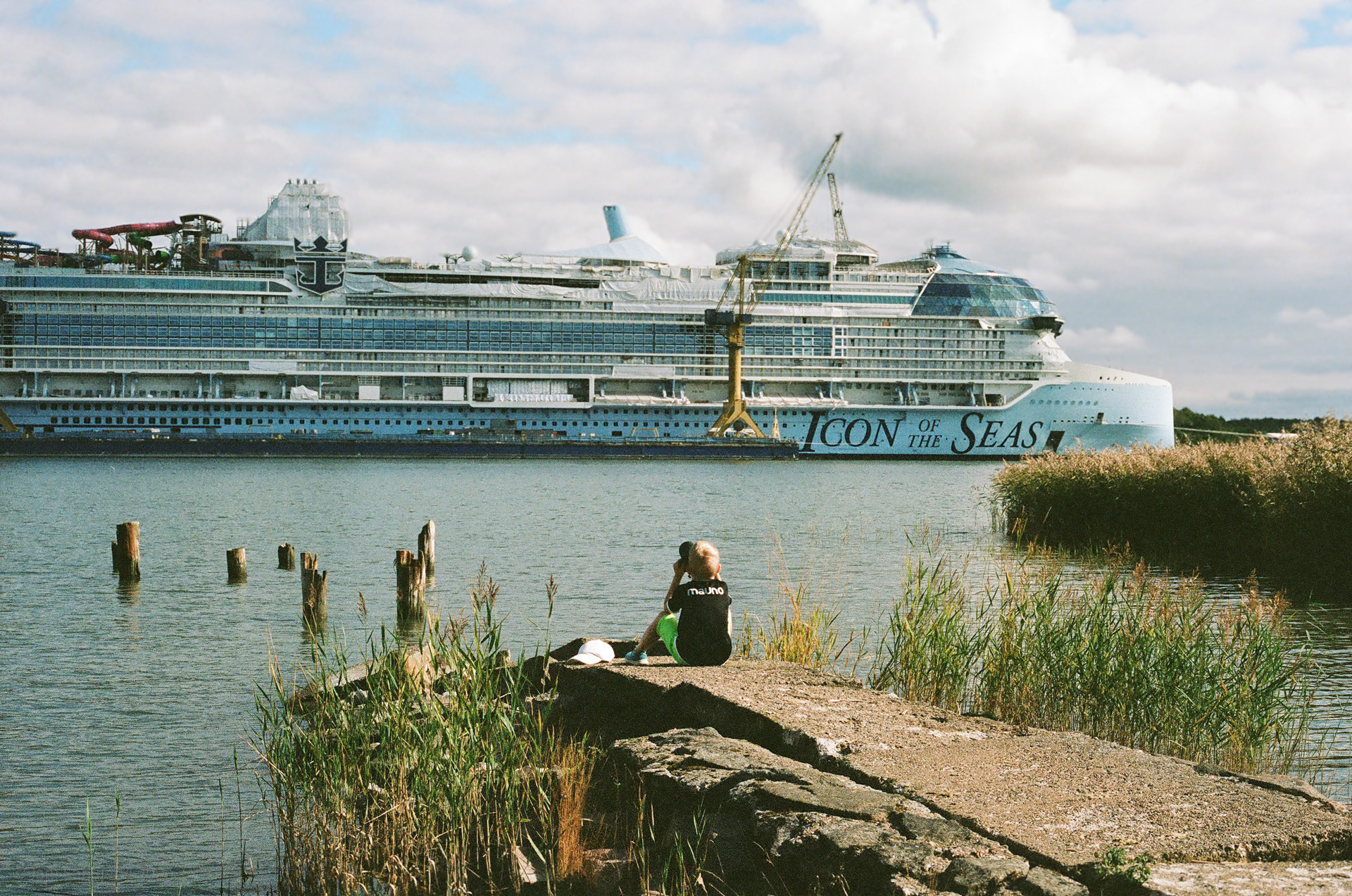
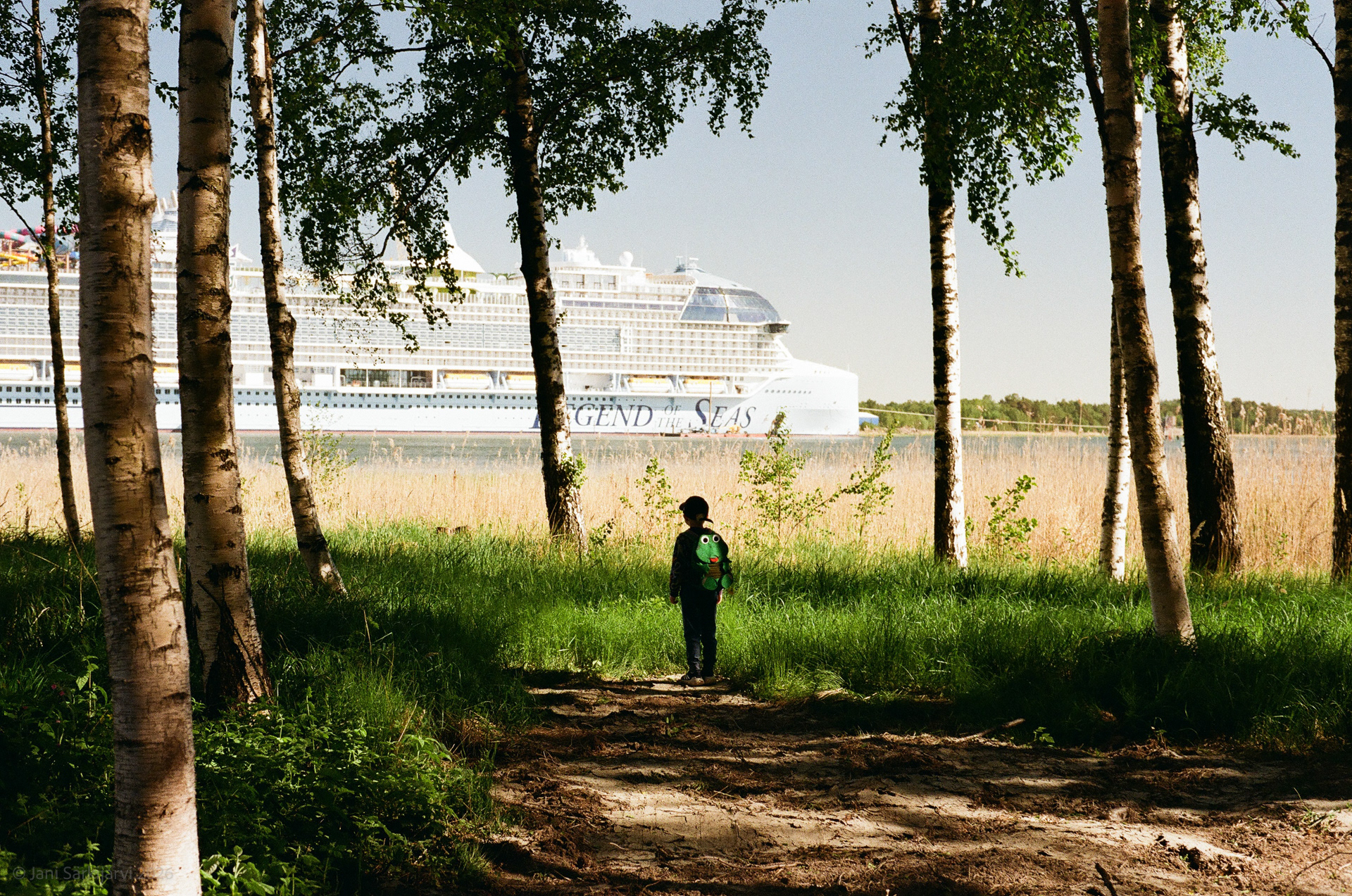
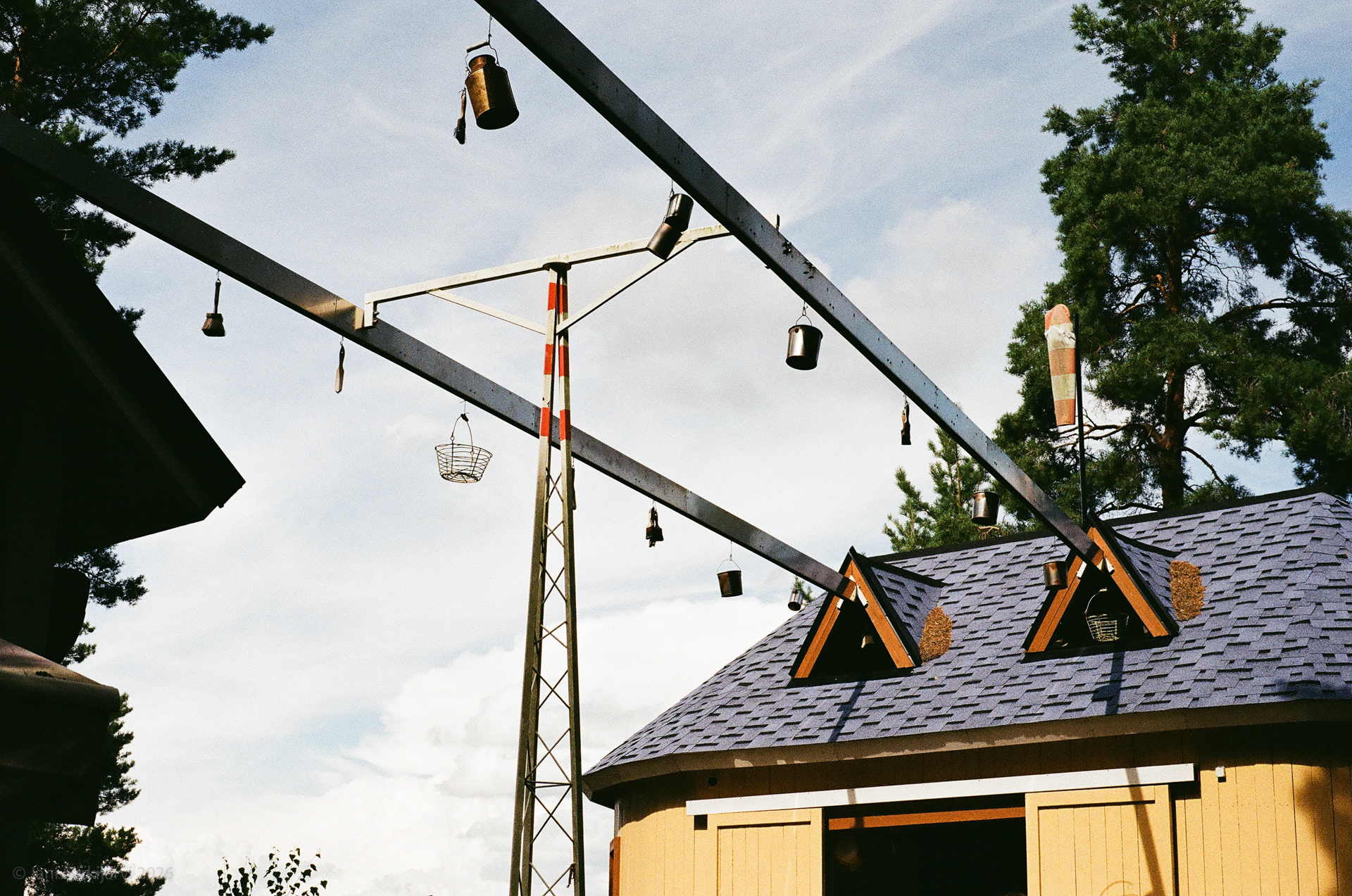
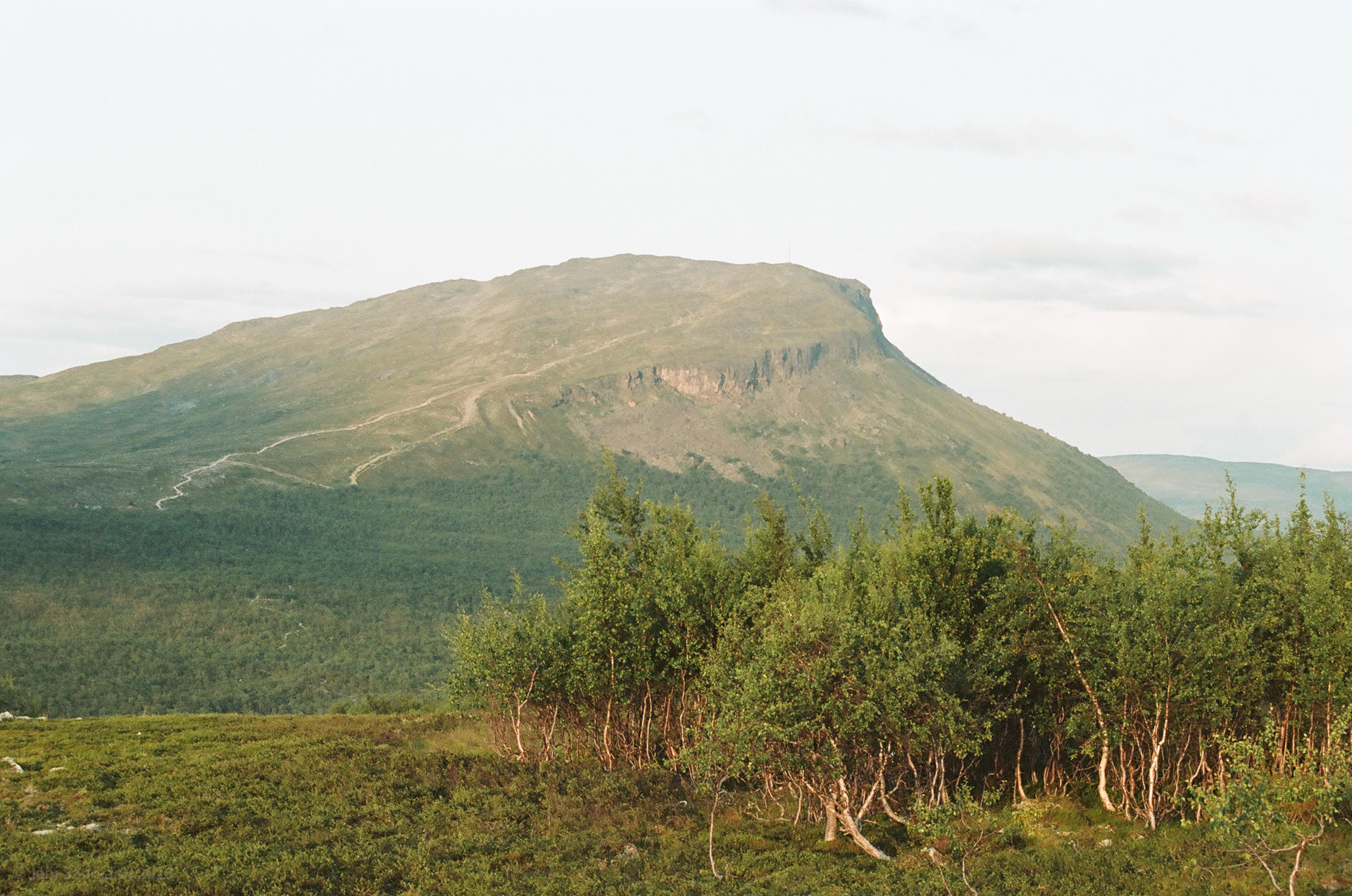
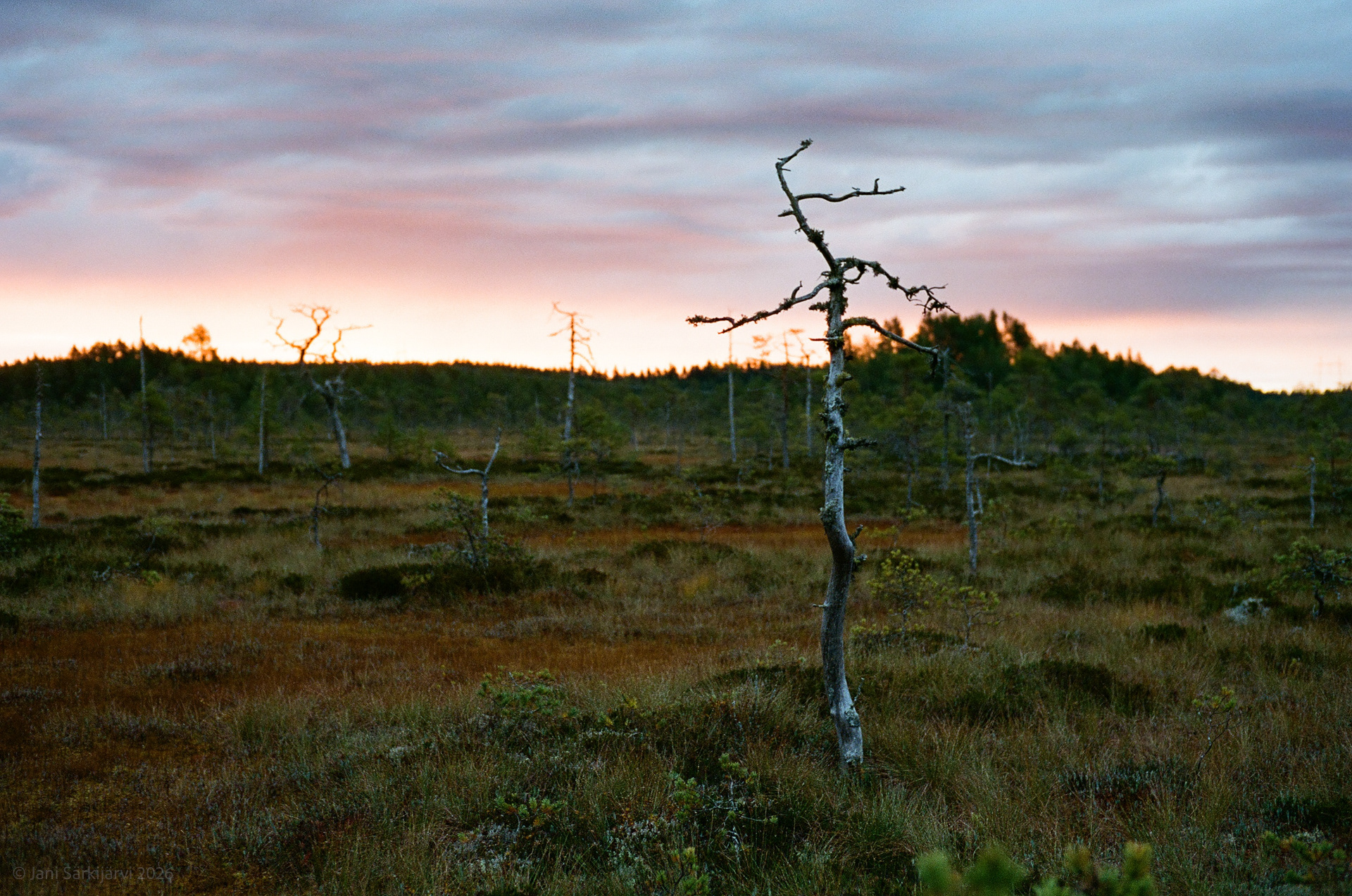
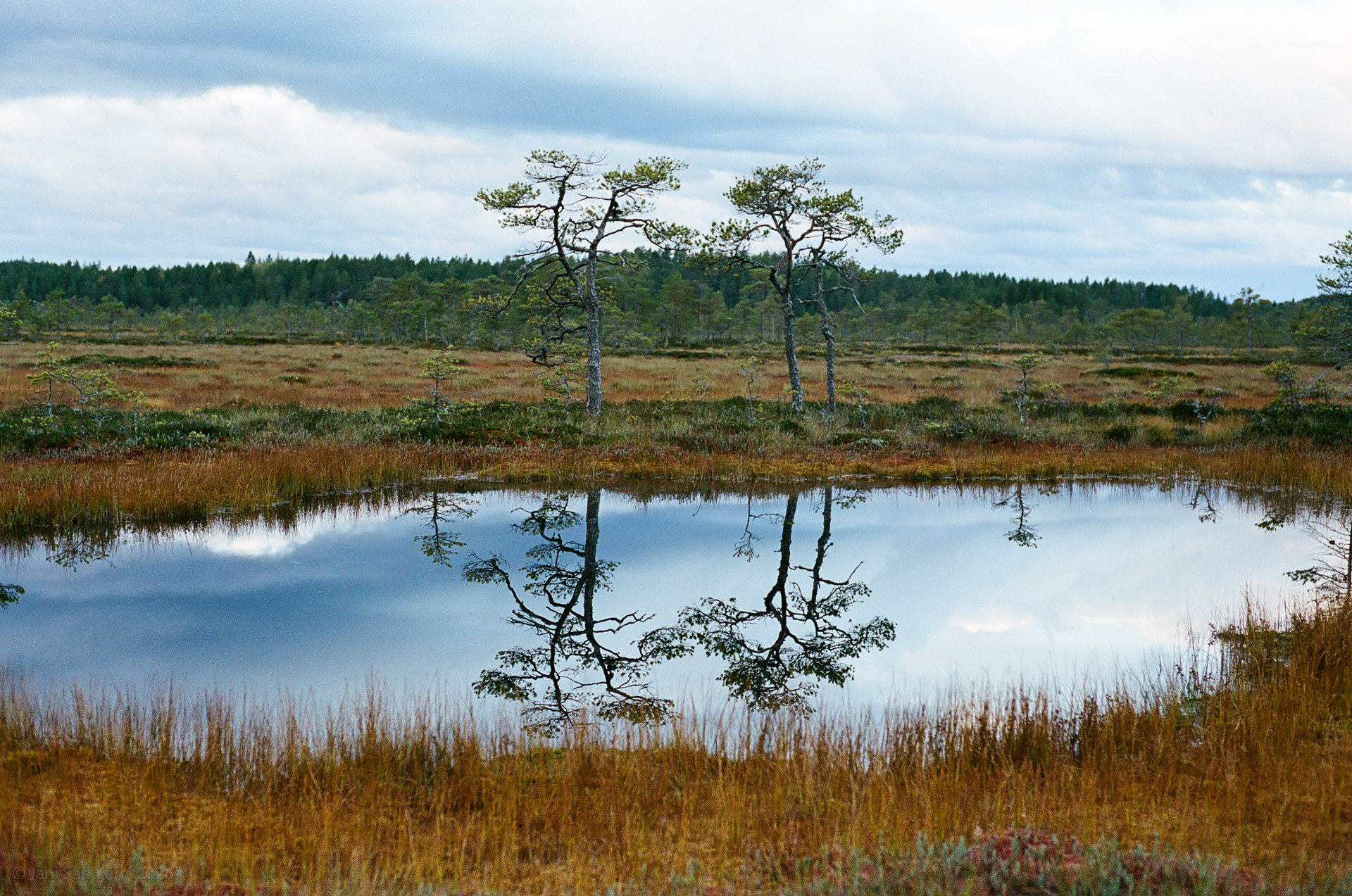
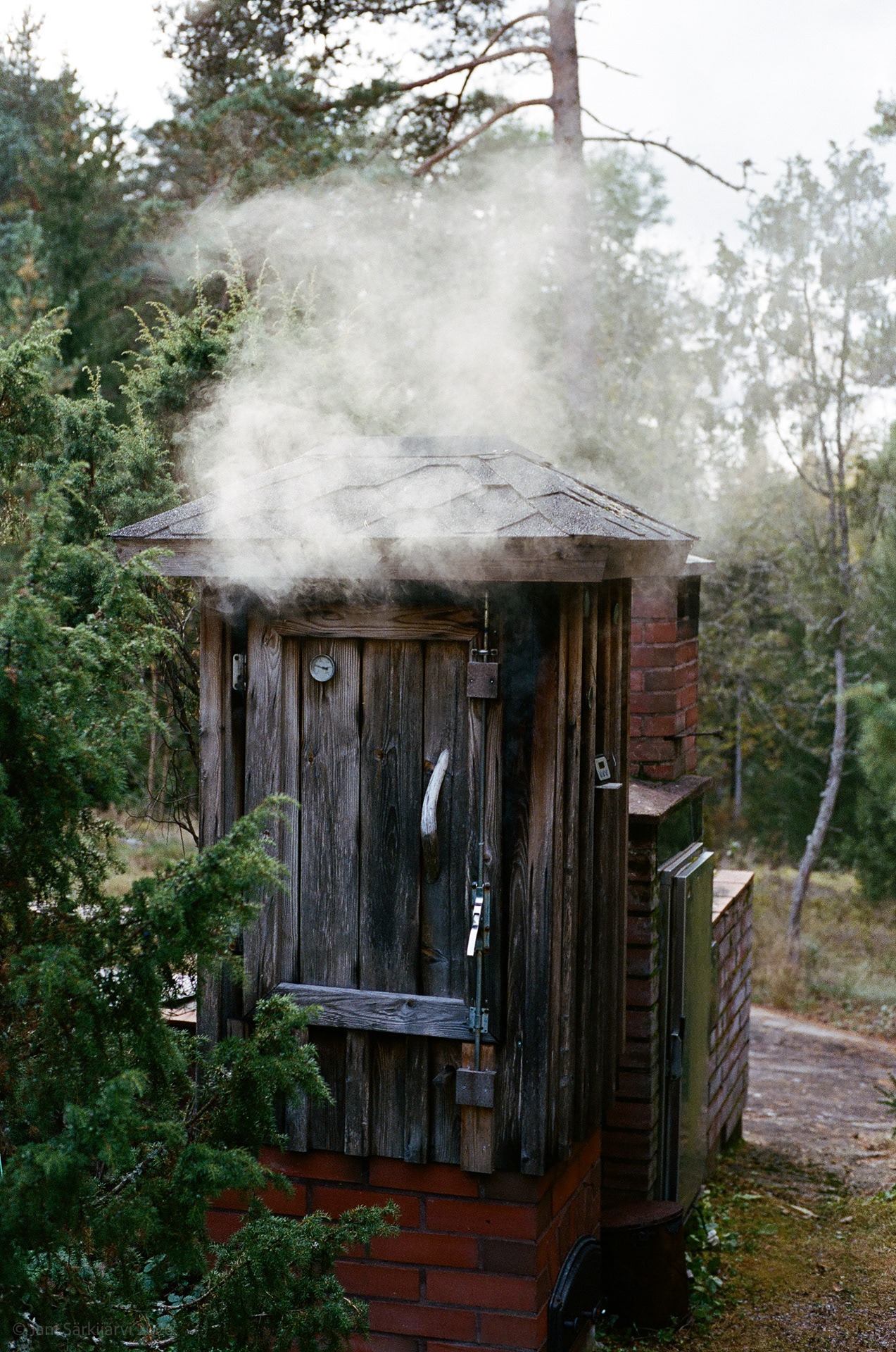
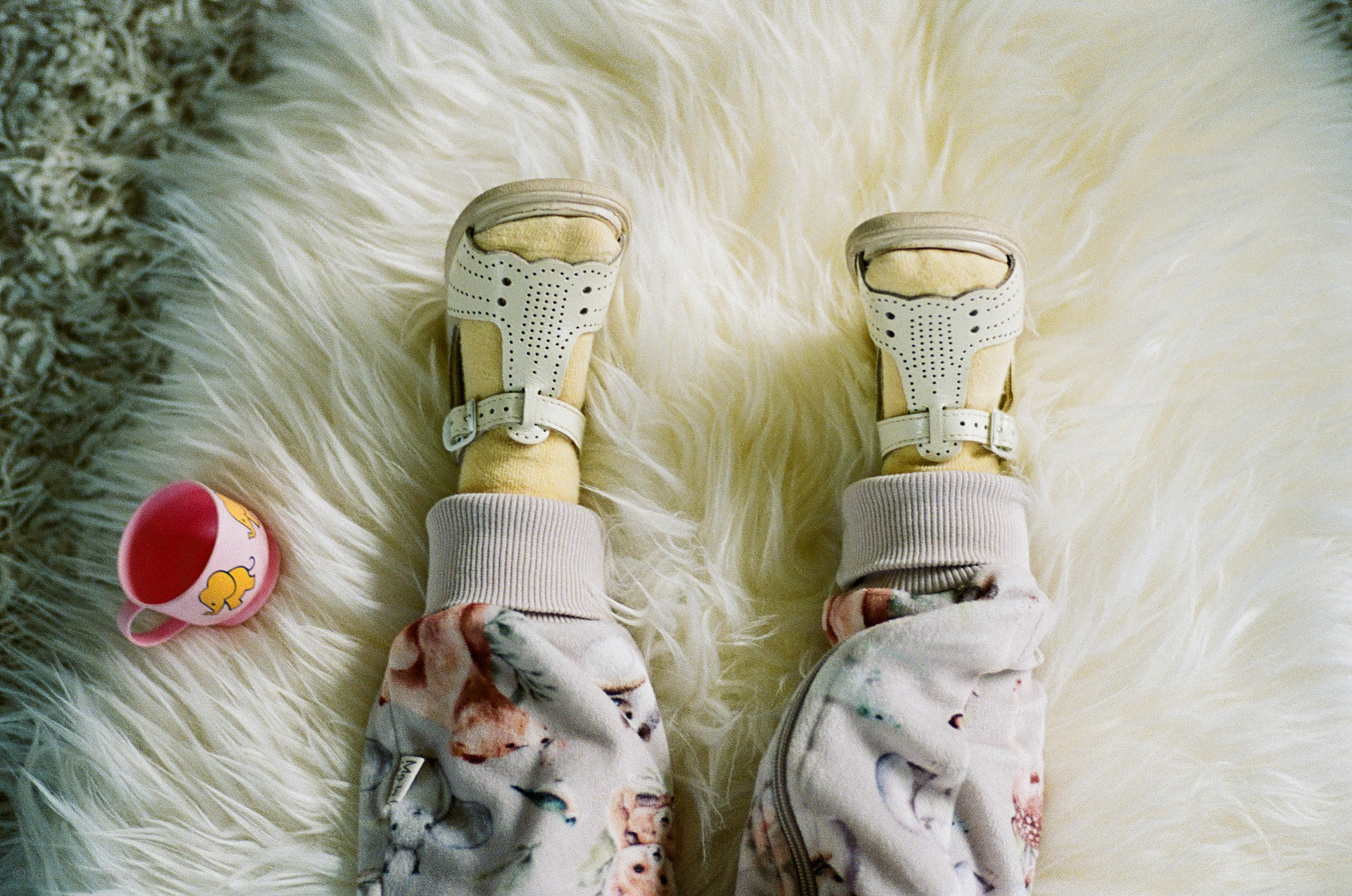
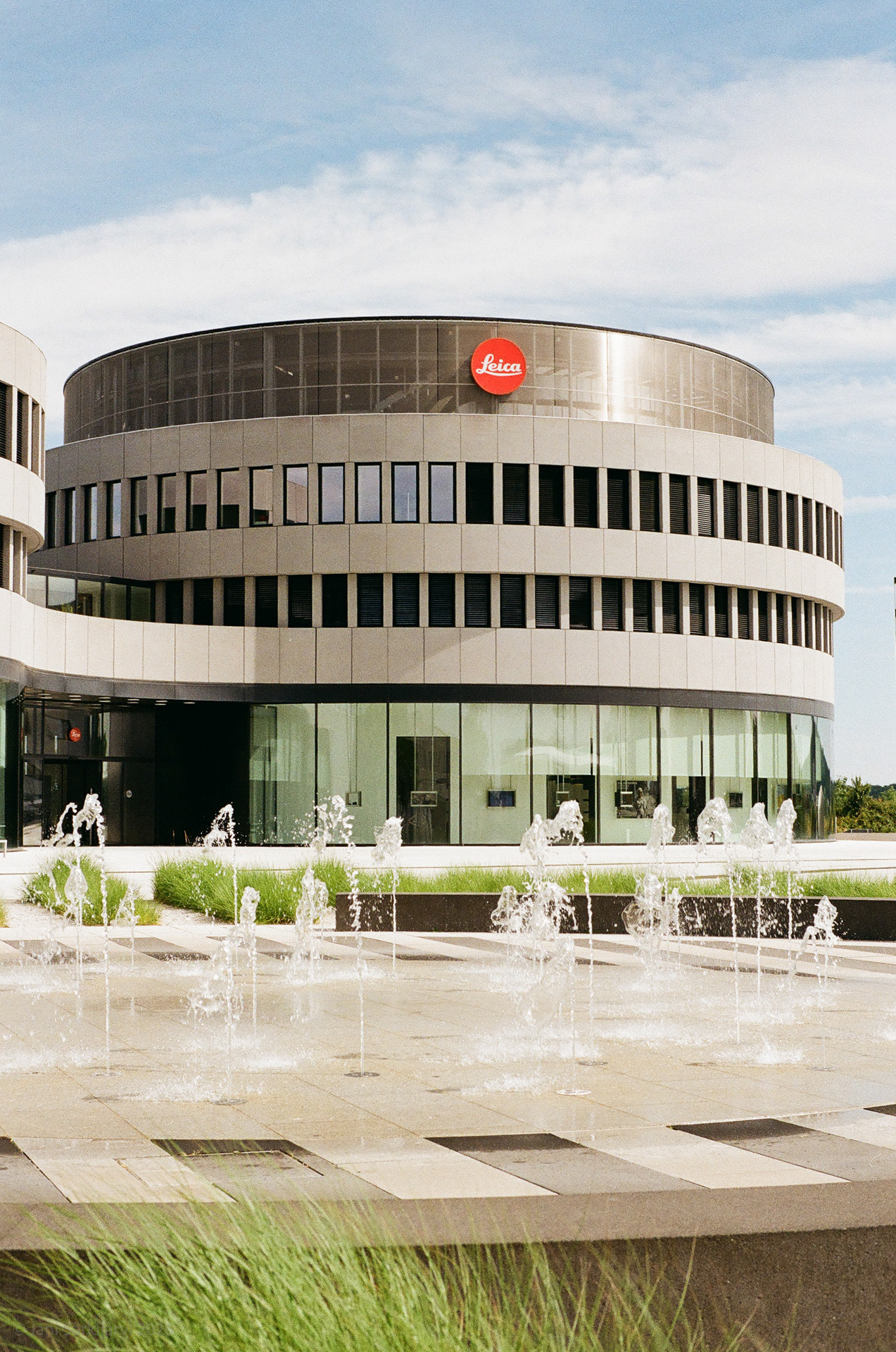
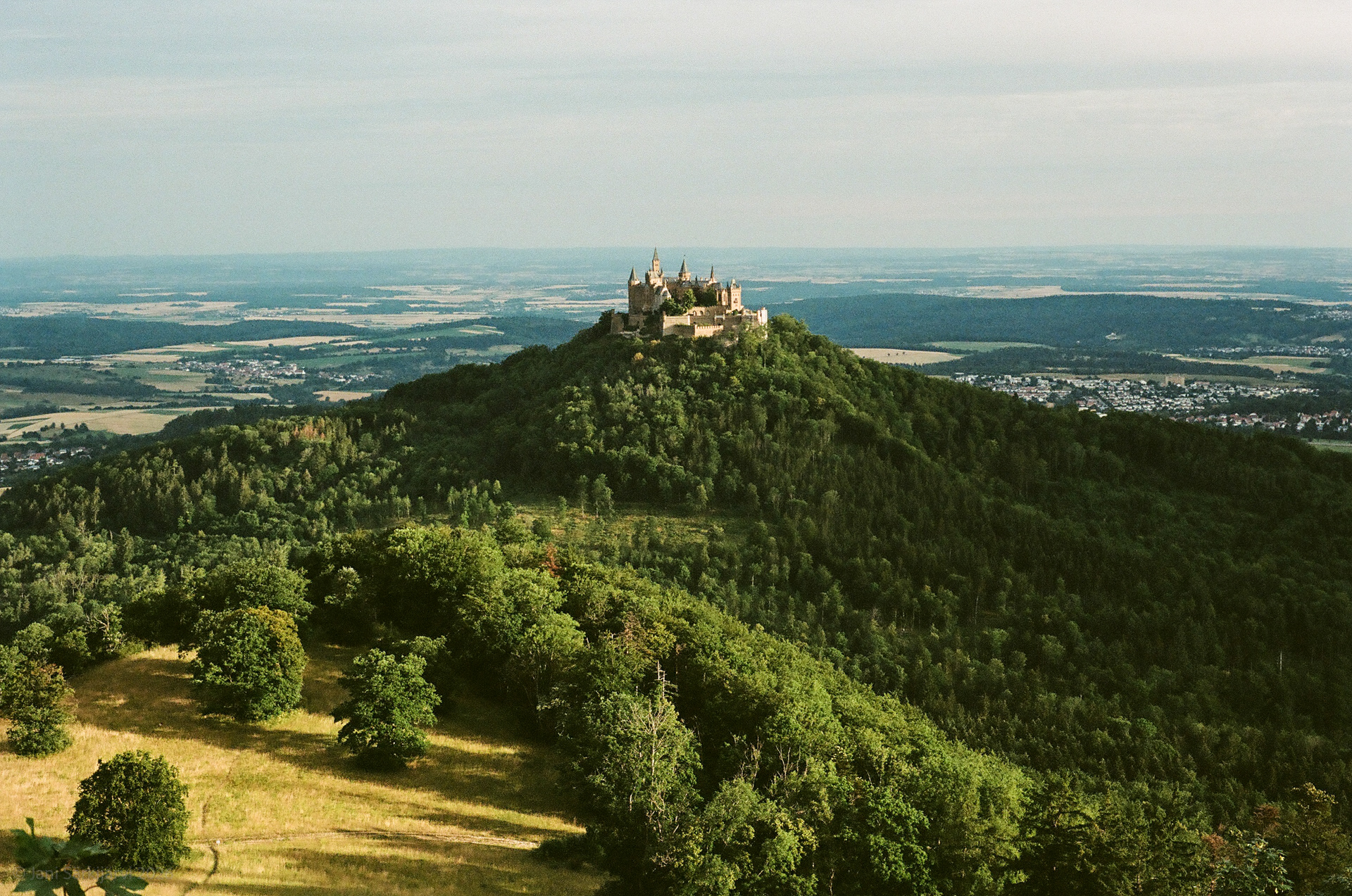
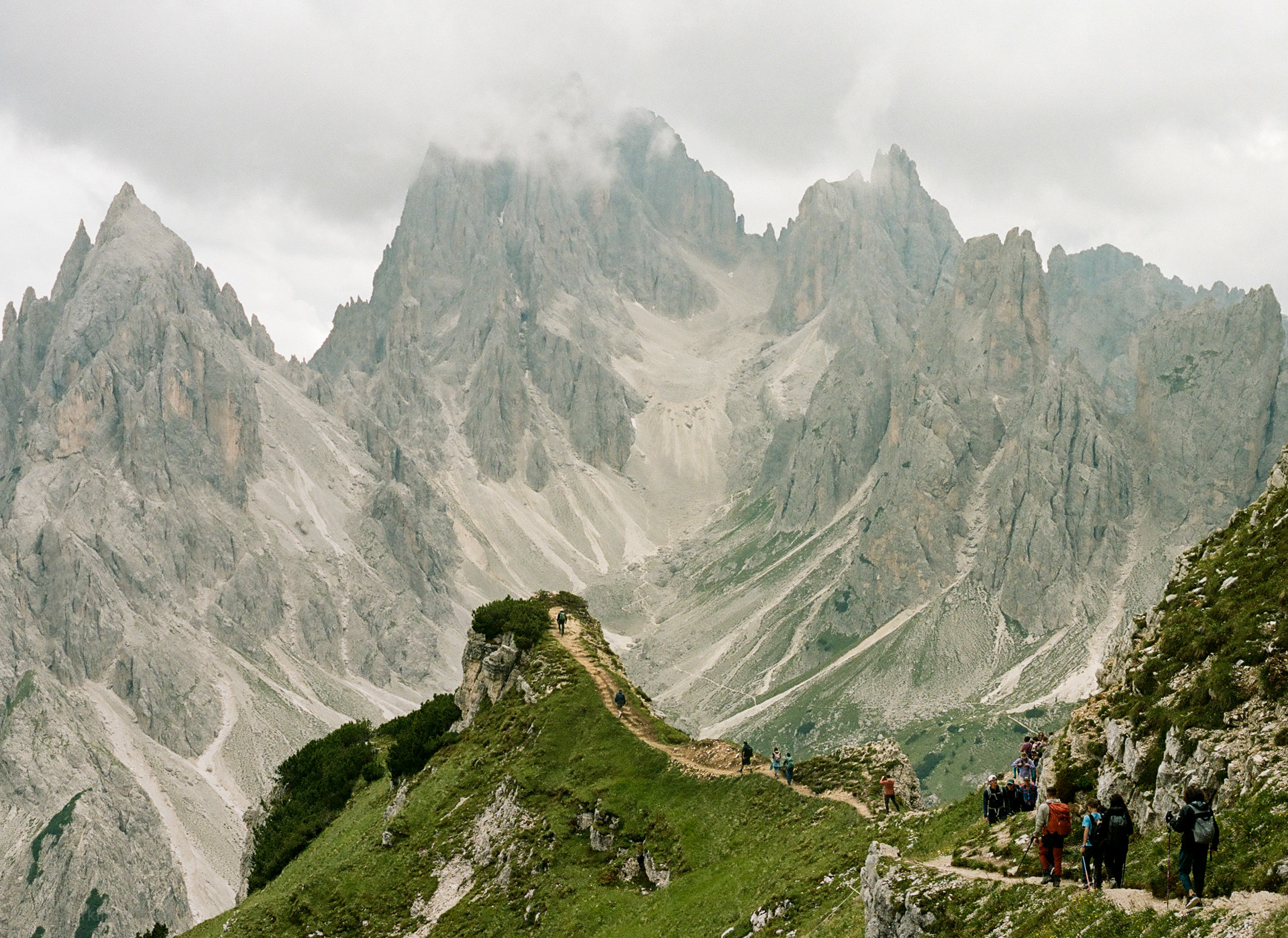
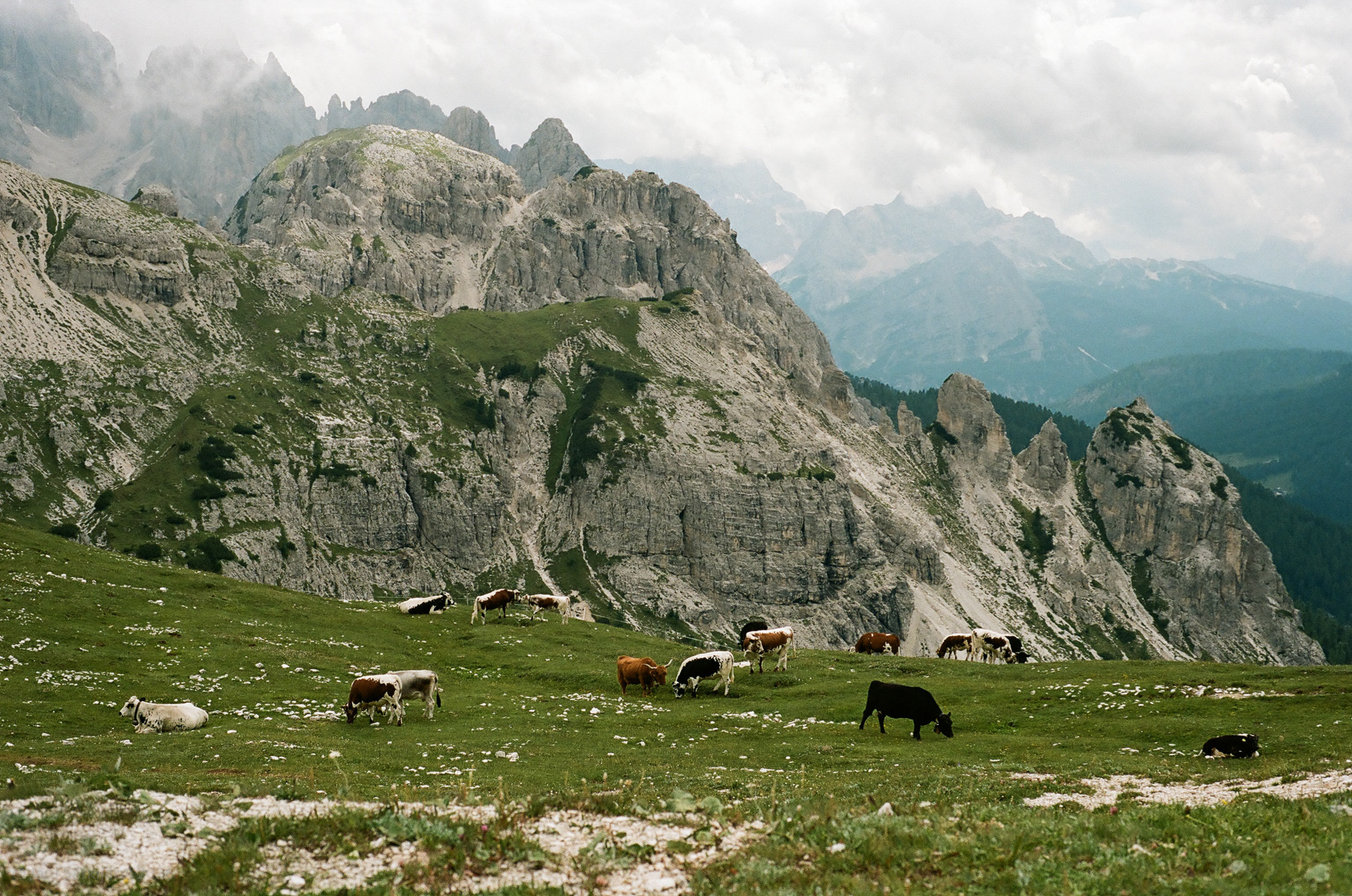
Here are some colour film photos (all relatively new shots):




















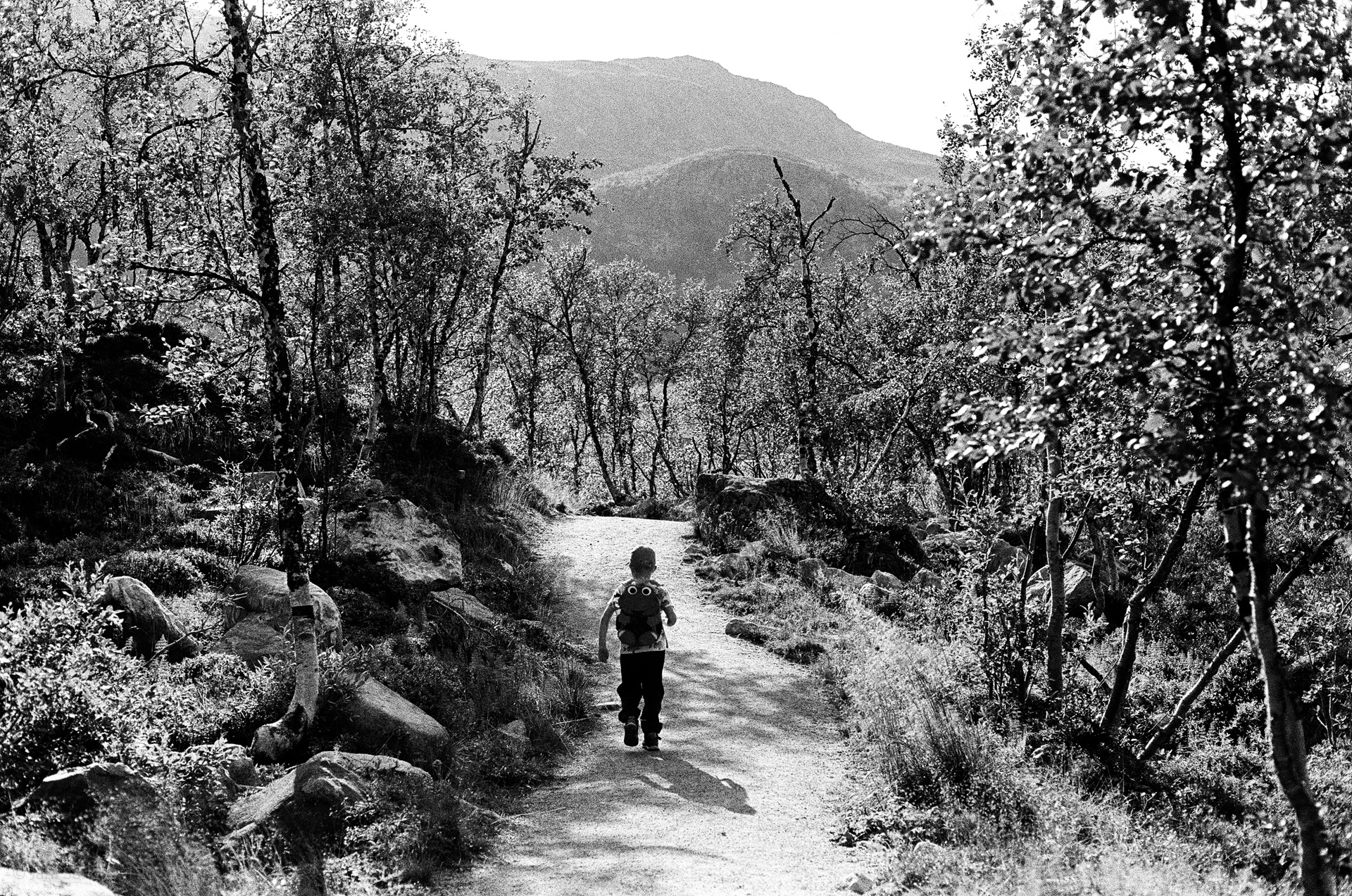
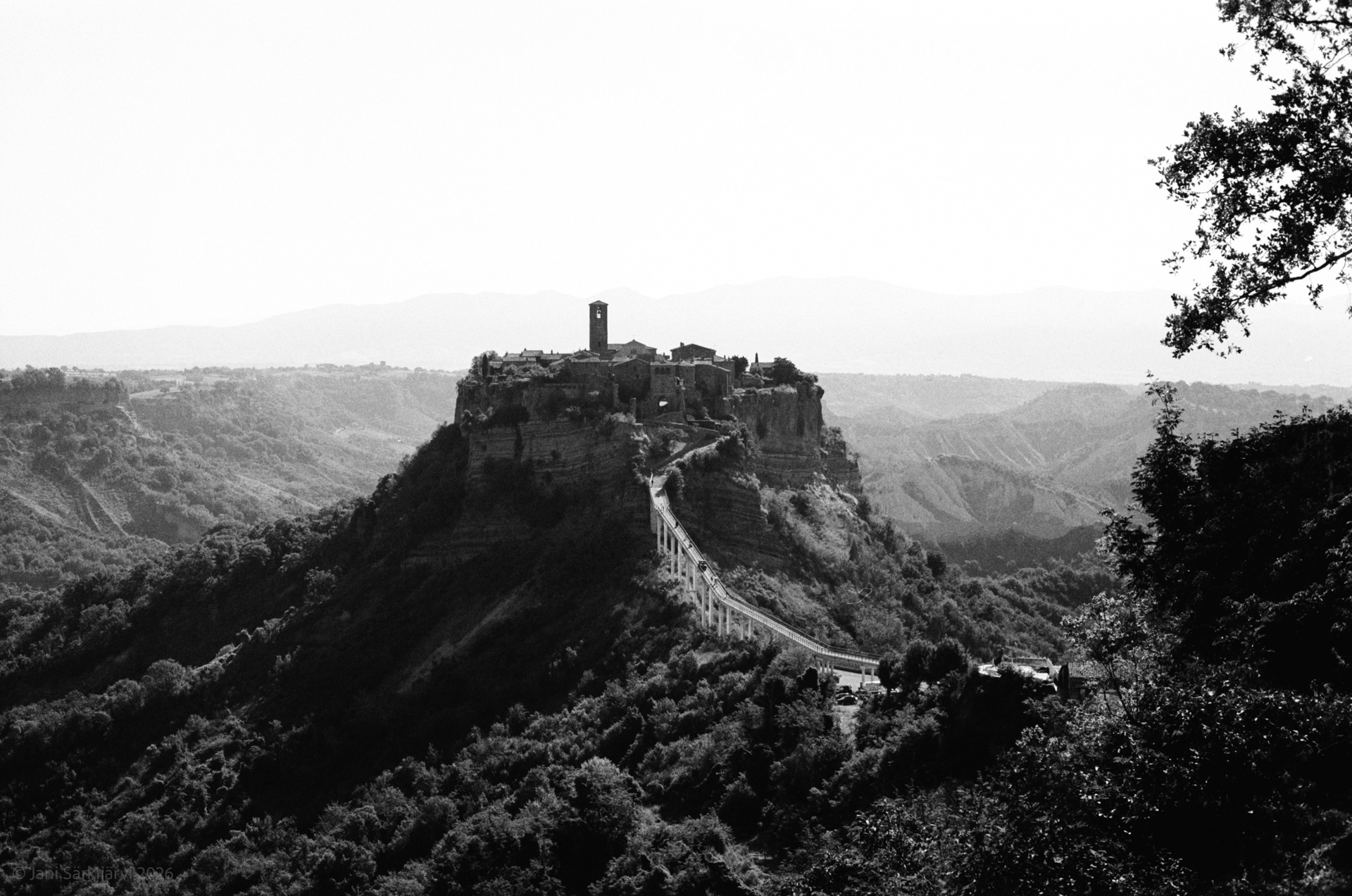
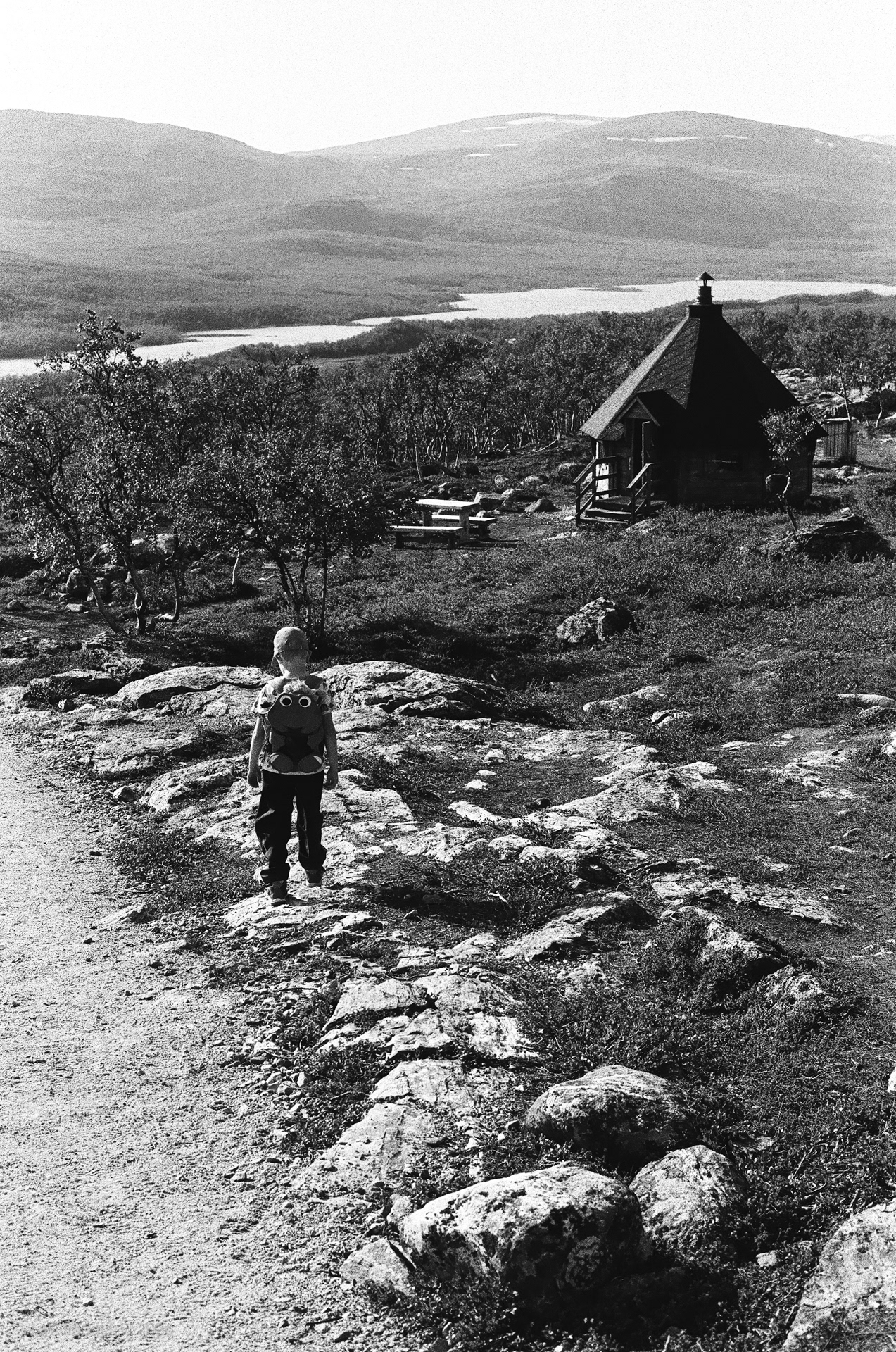
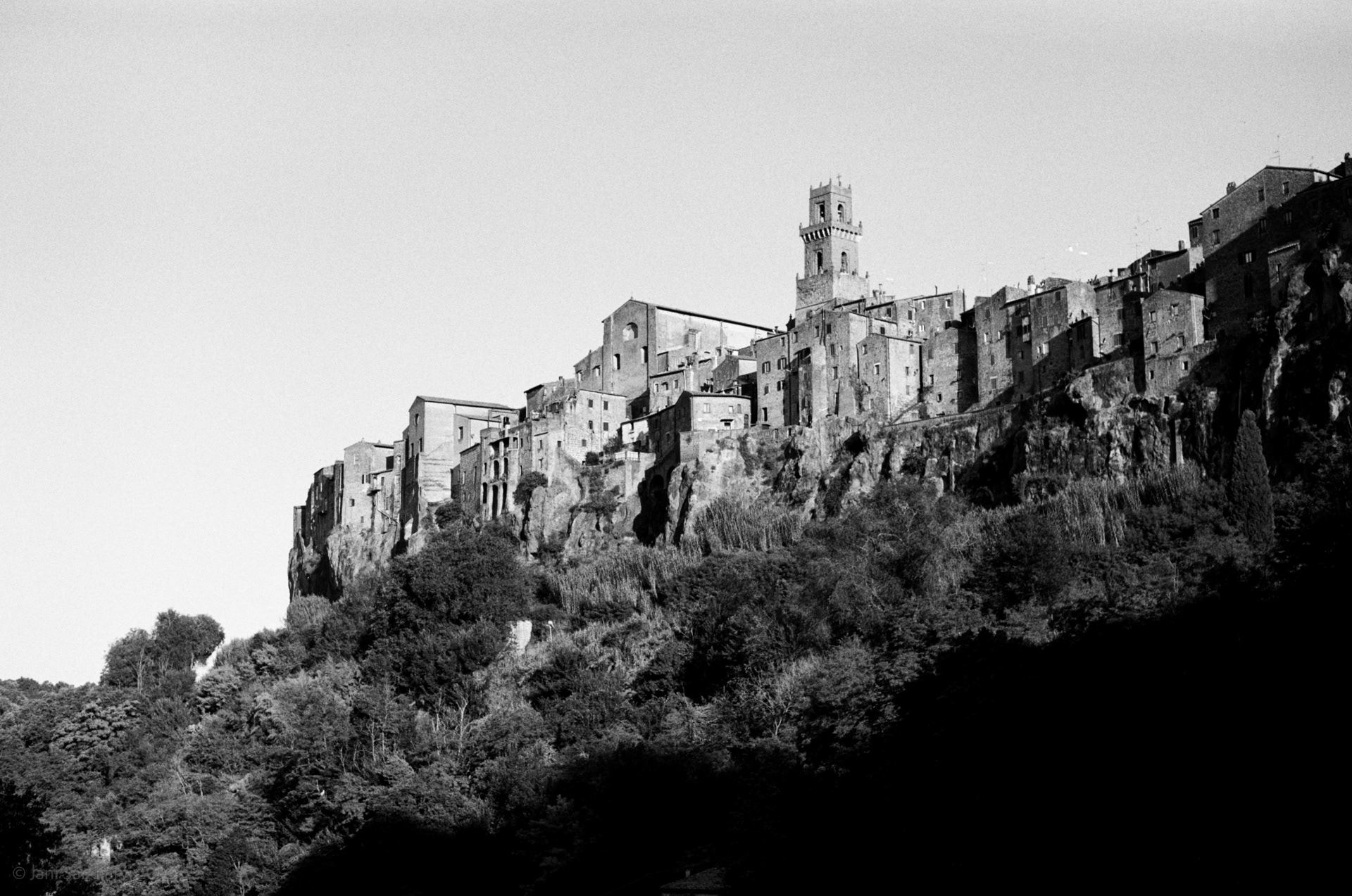
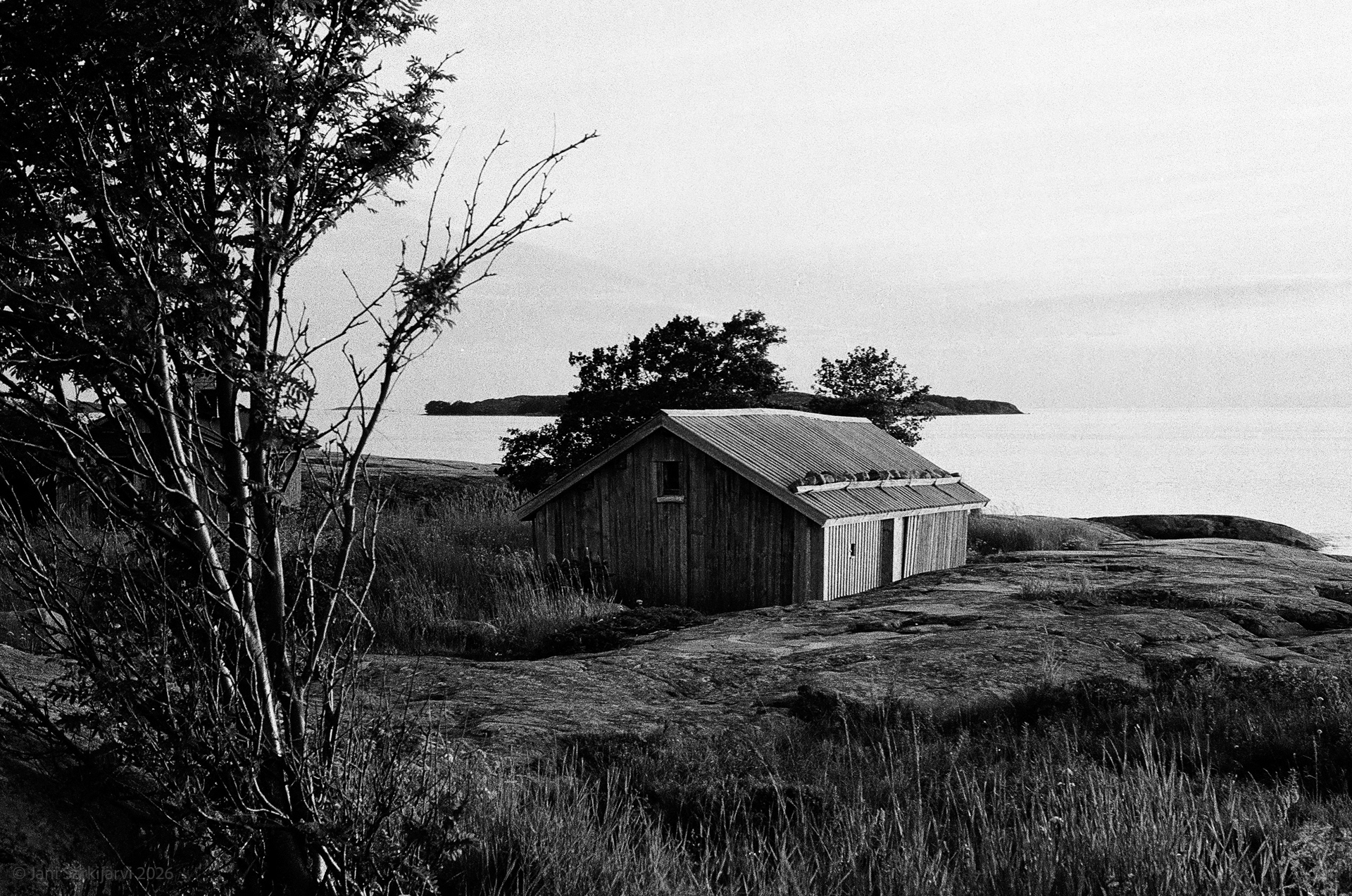
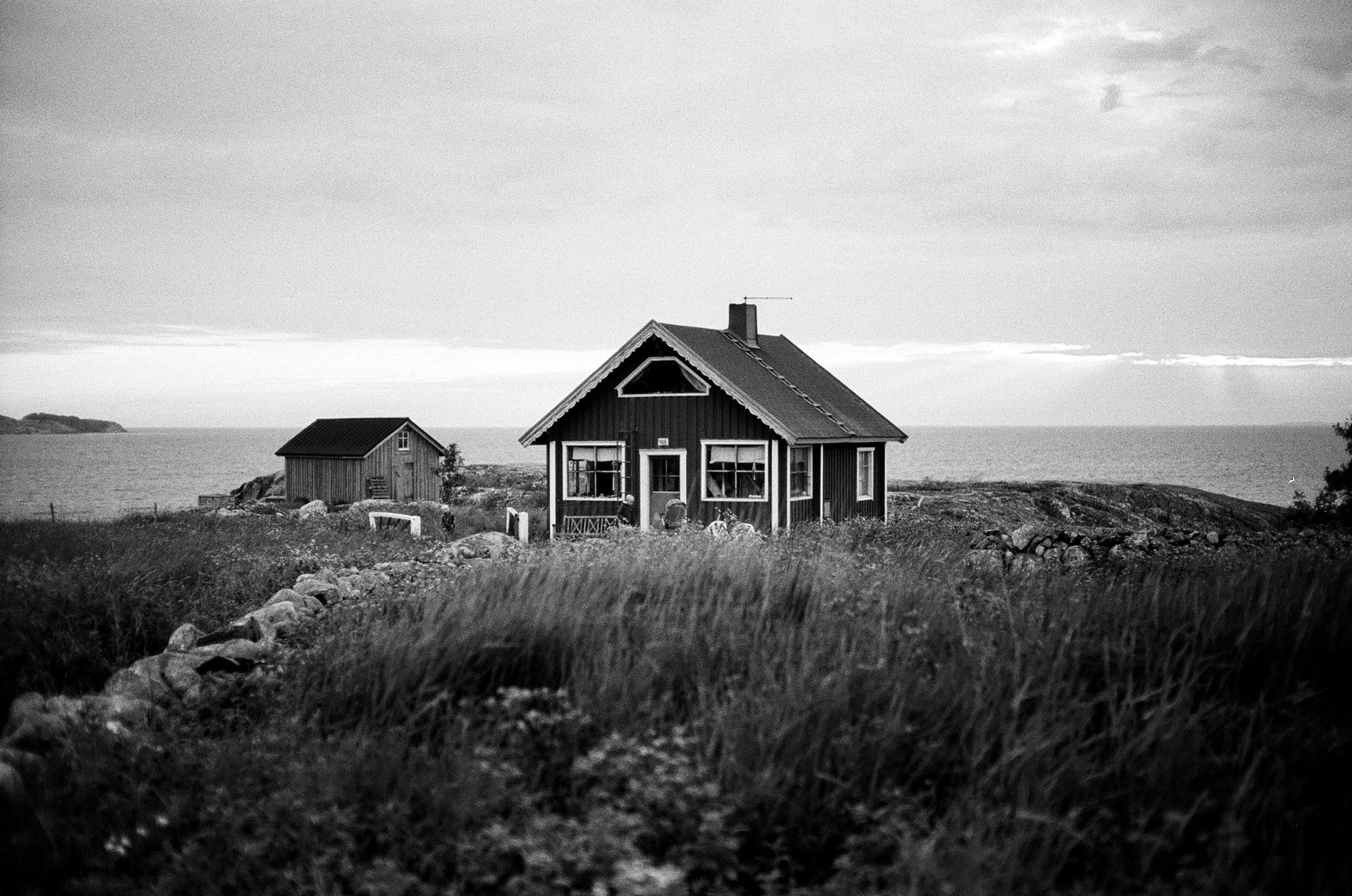
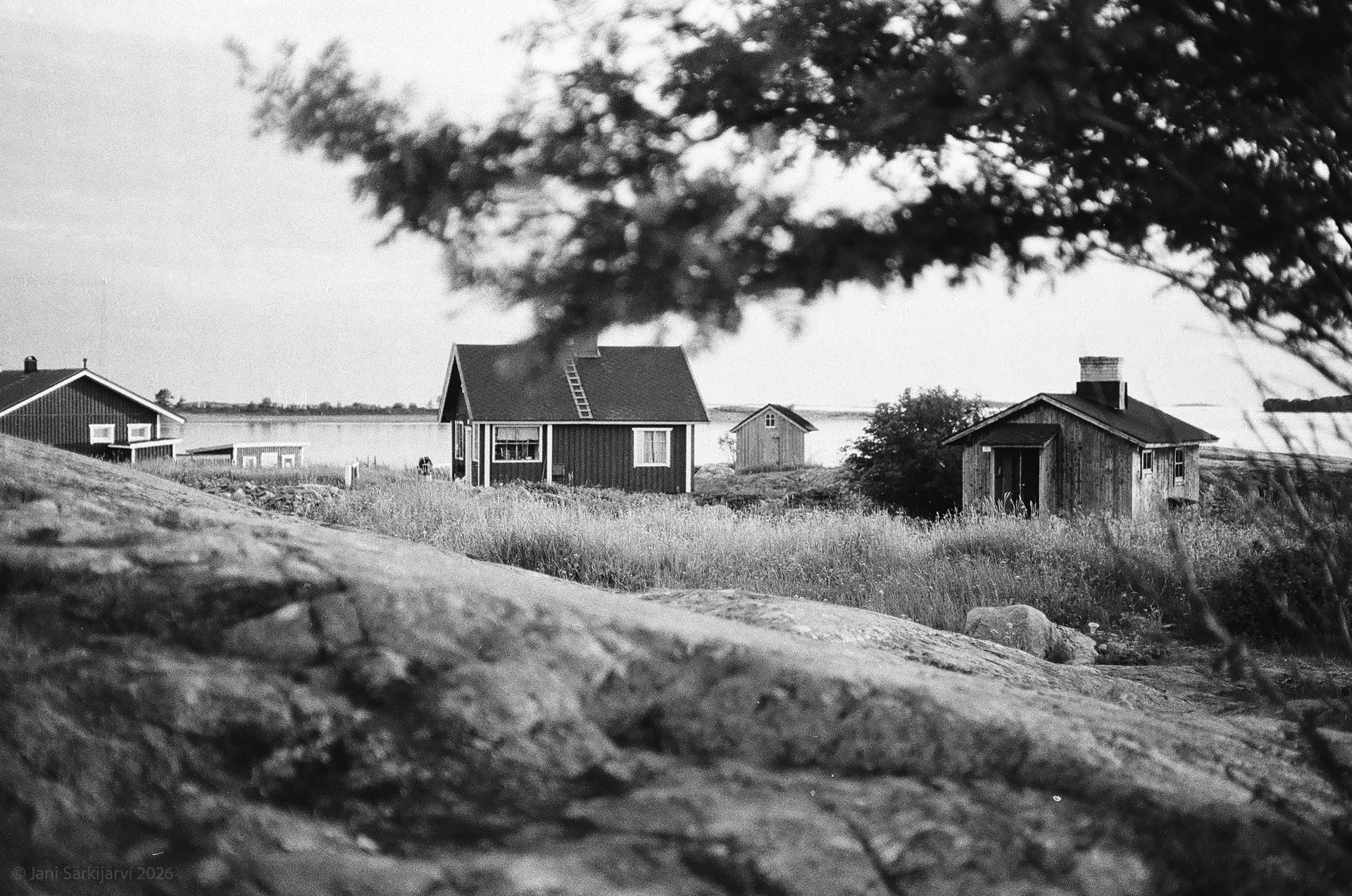
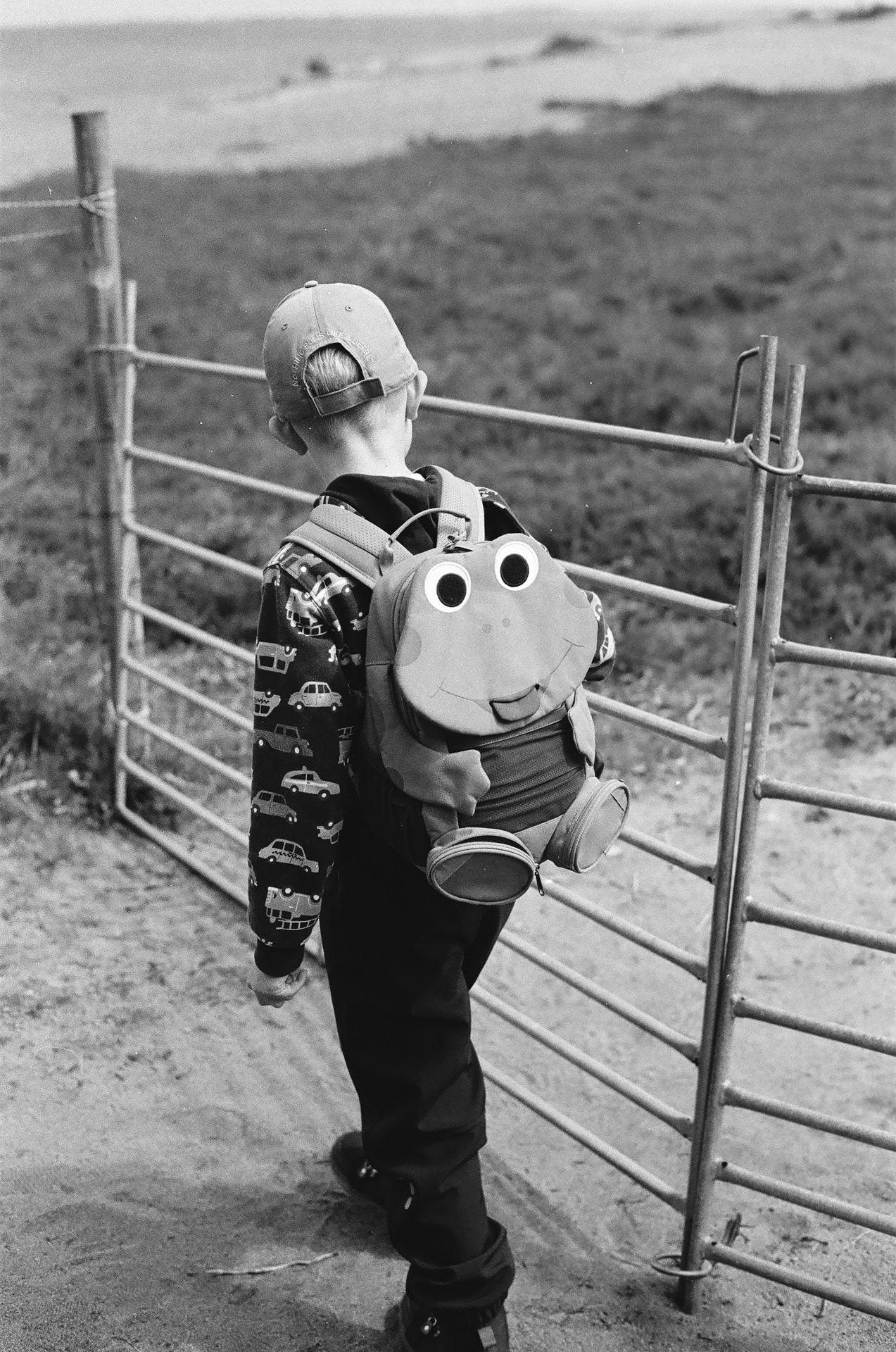
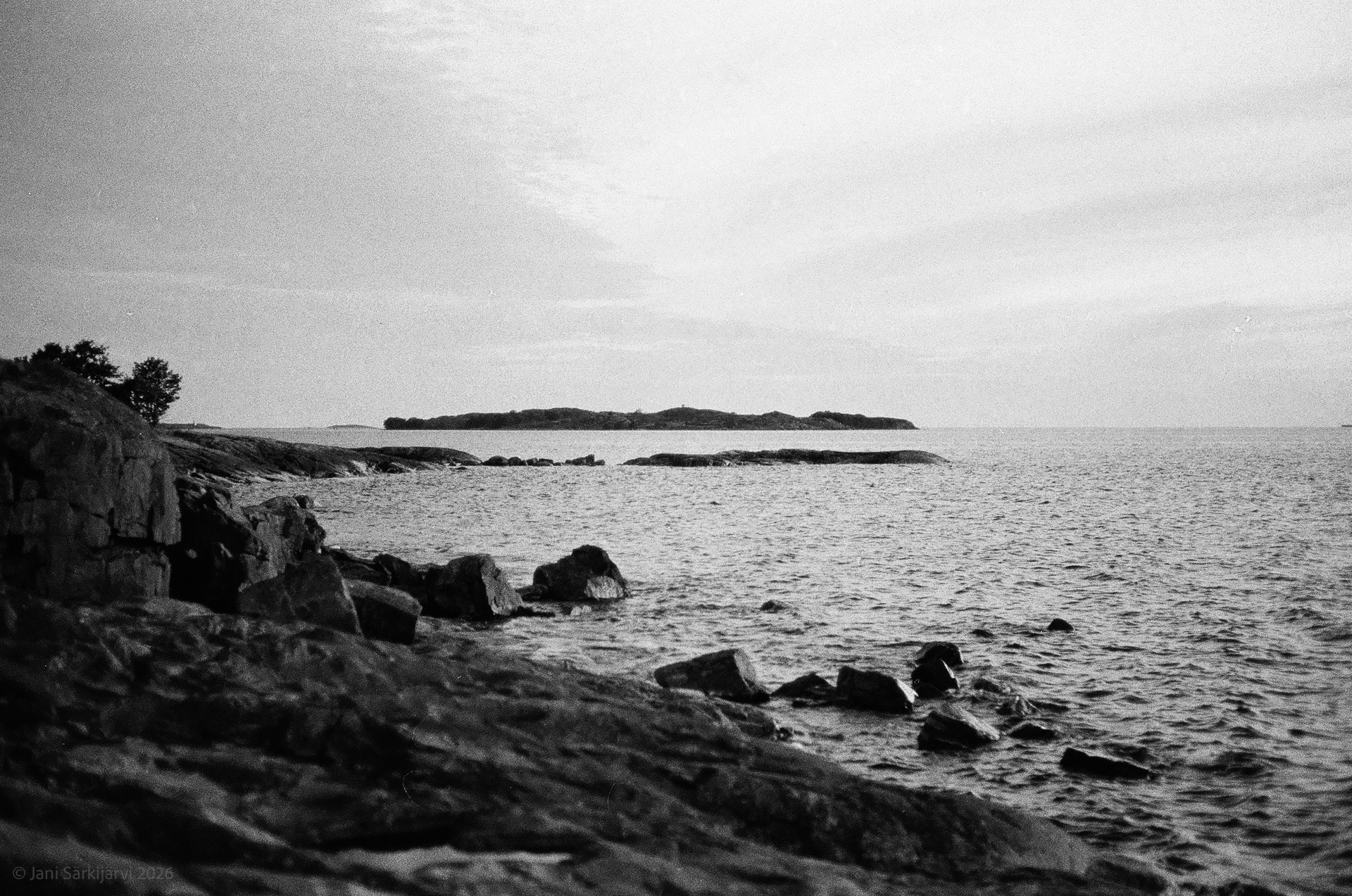
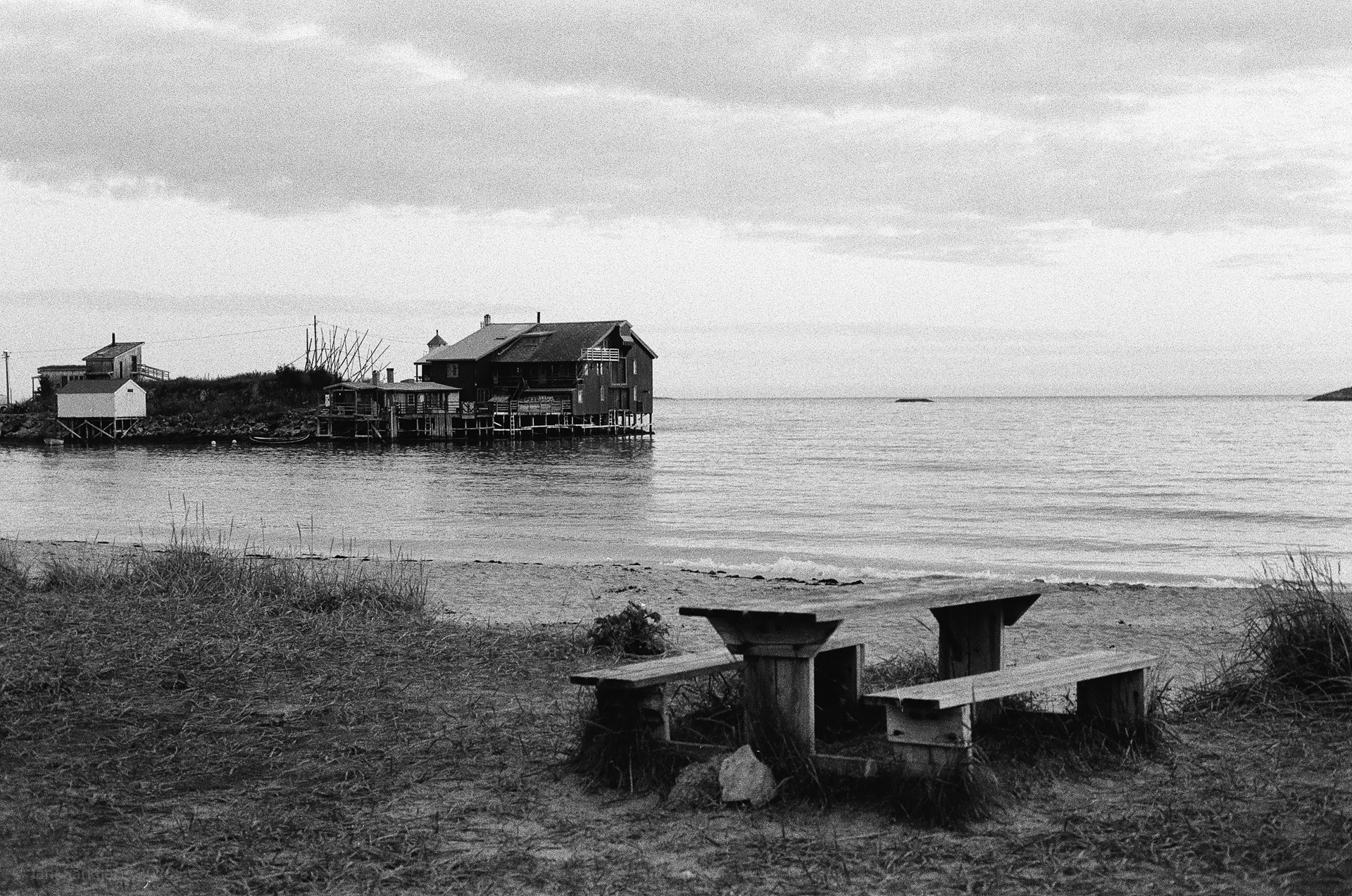
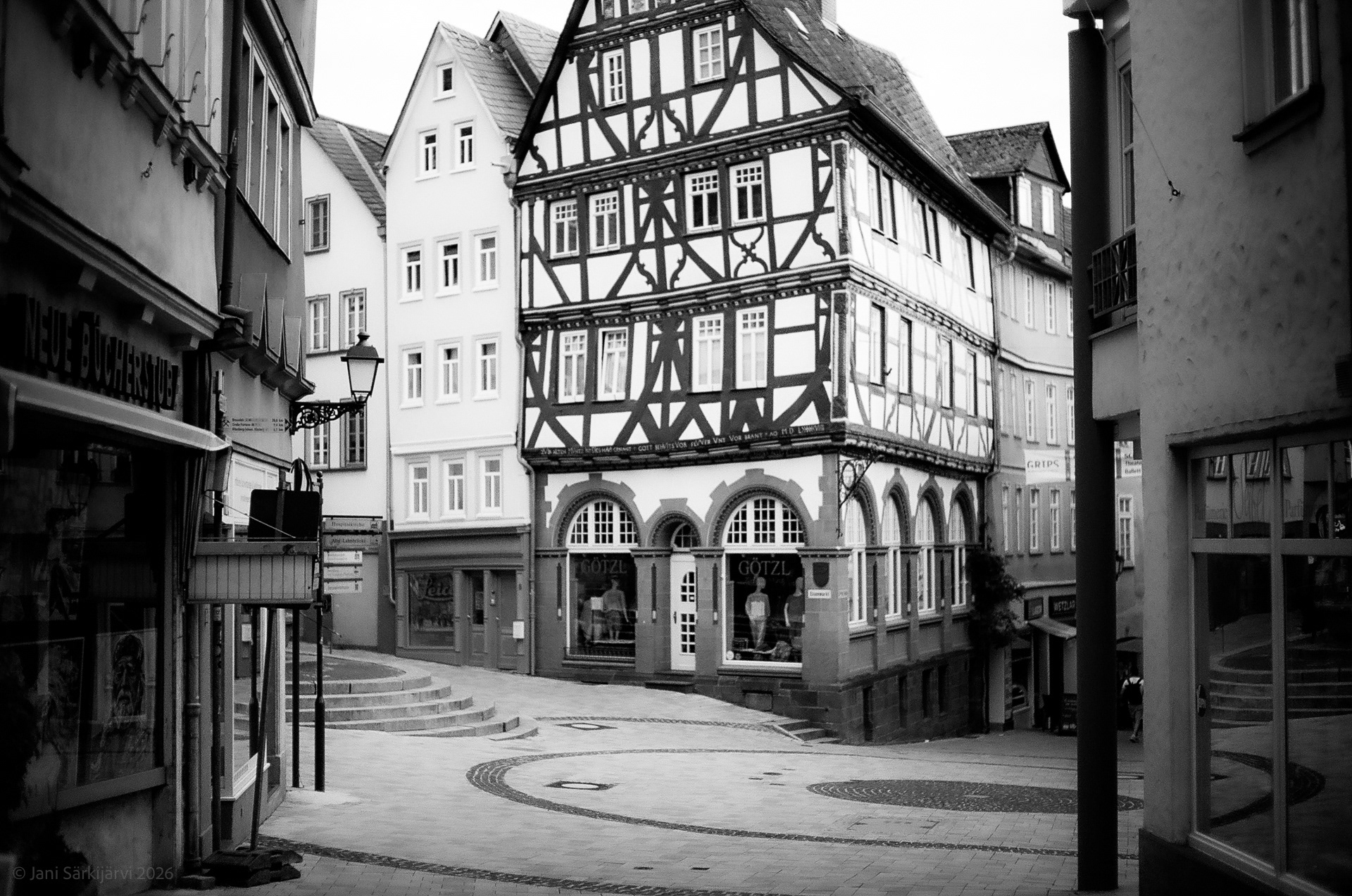
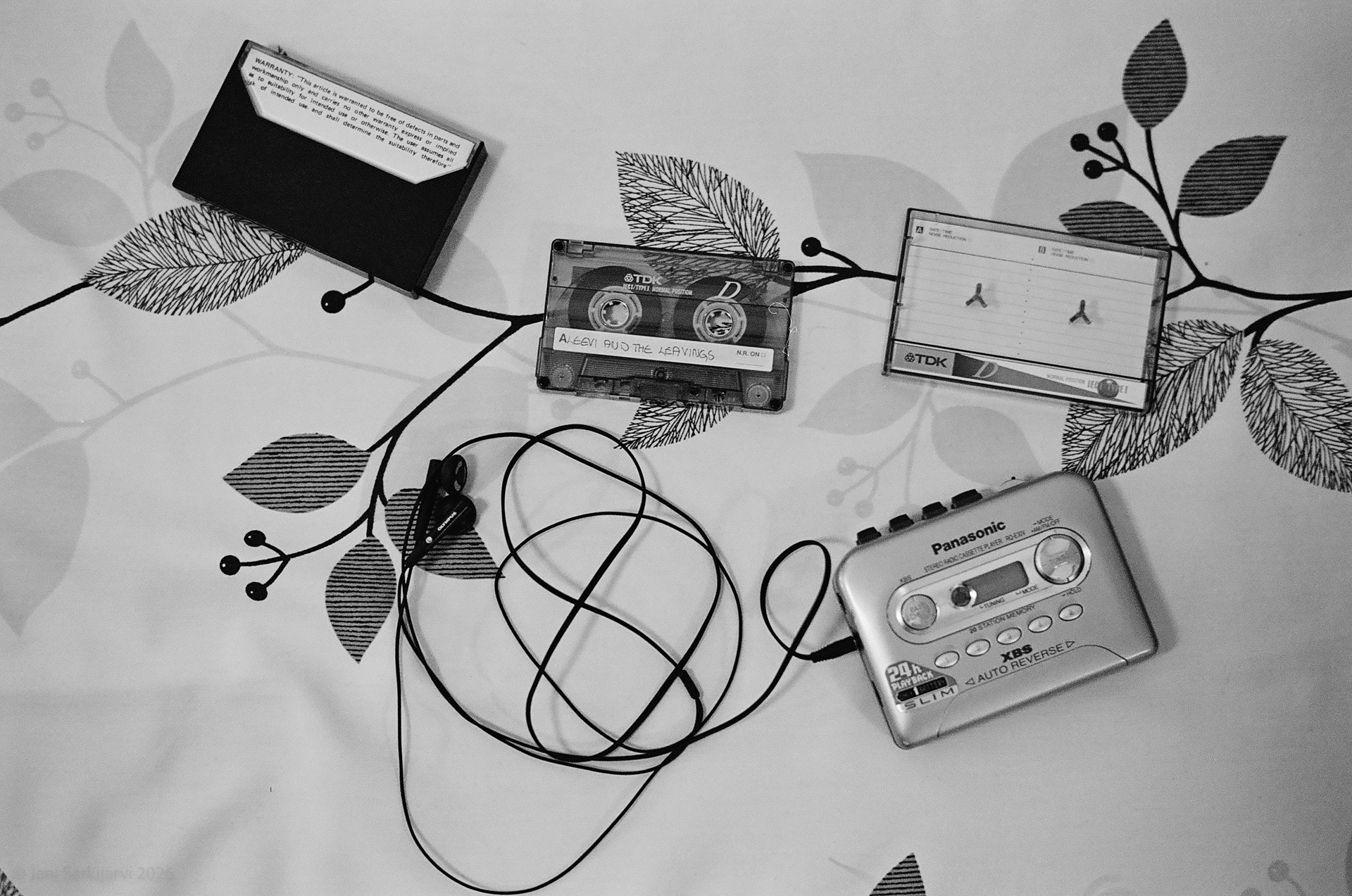
And B&W film photos (again, all relatively new):