Once you have been here, you can see that it is firmly rooted in place. In fact, there is quite a lot of solid ground beneath your feet, far more than your imagination would suggest.
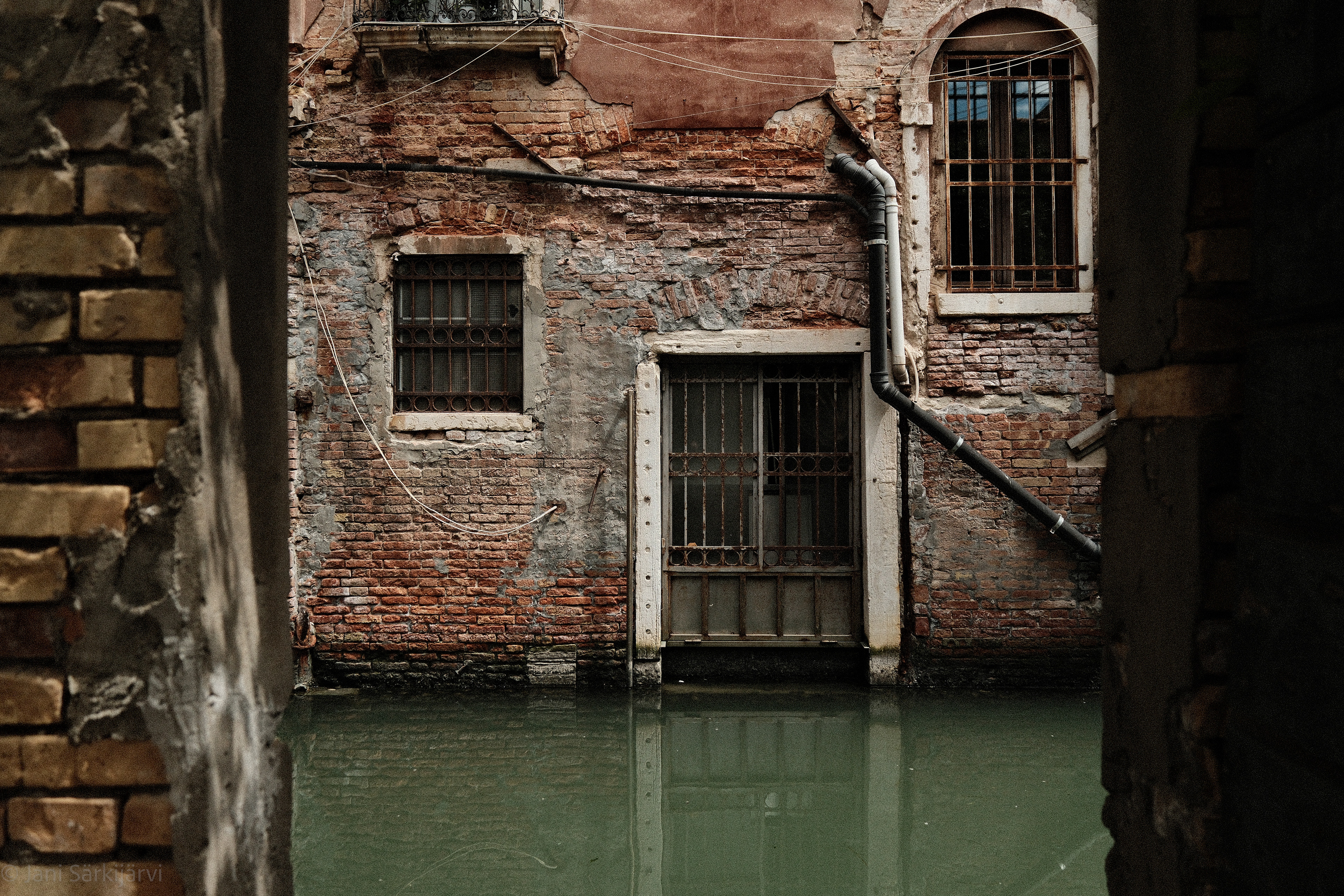
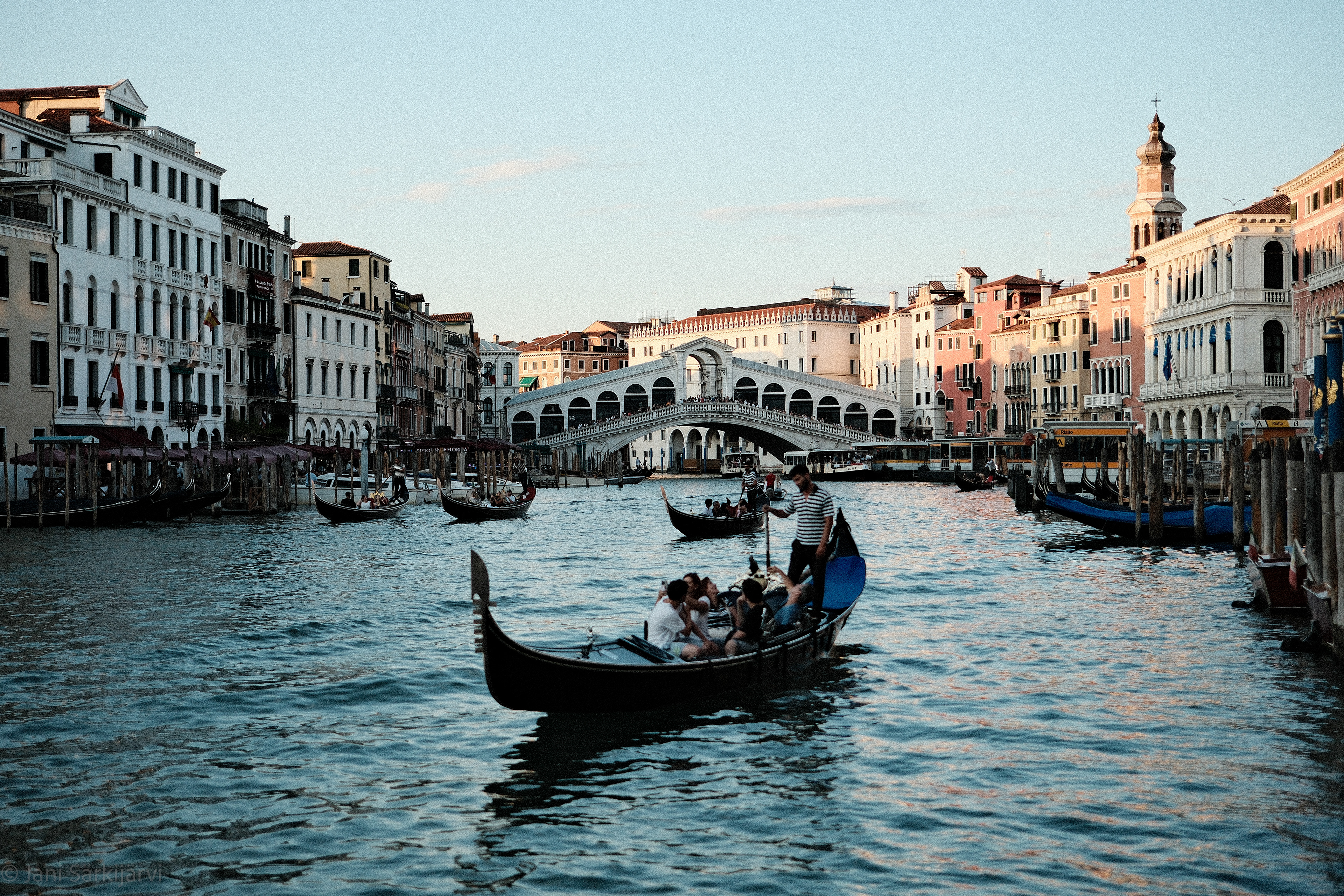
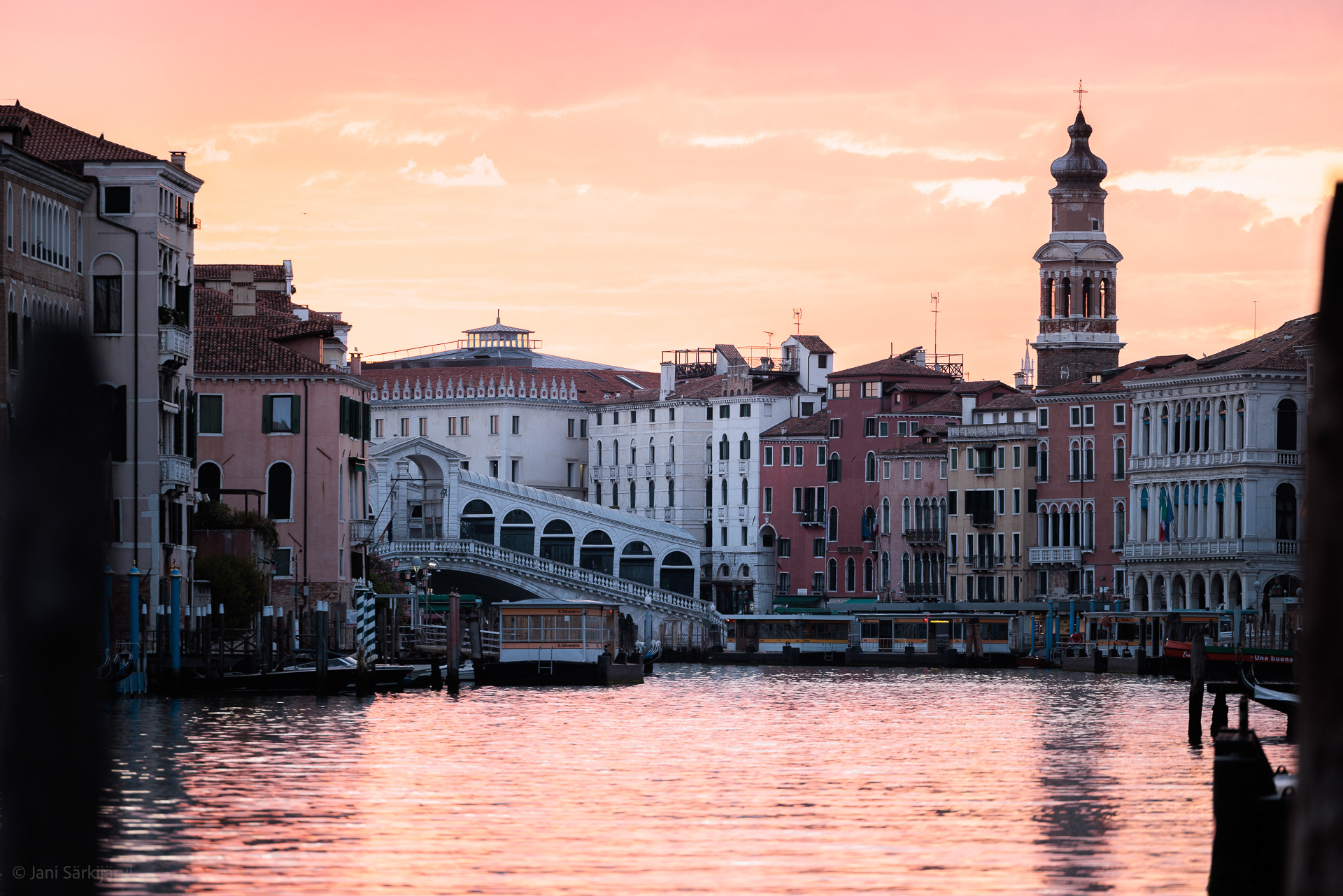
However, the city is slowly sinking while sea levels around it continue to rise. Studies estimate that by the year 2100, sea levels in Venice may rise between 21–52 cm, which would make flooding far more frequent even with the MOSE flood‑barrier system in place. Although MOSE has already reduced the impact of high tides, recent episodes of acqua alta in 2025 show that the situation remains critical. Venice will not disappear overnight, but without continuous engineering upgrades and climate adaptation, keeping the city dry will become increasingly difficult over the coming decades.
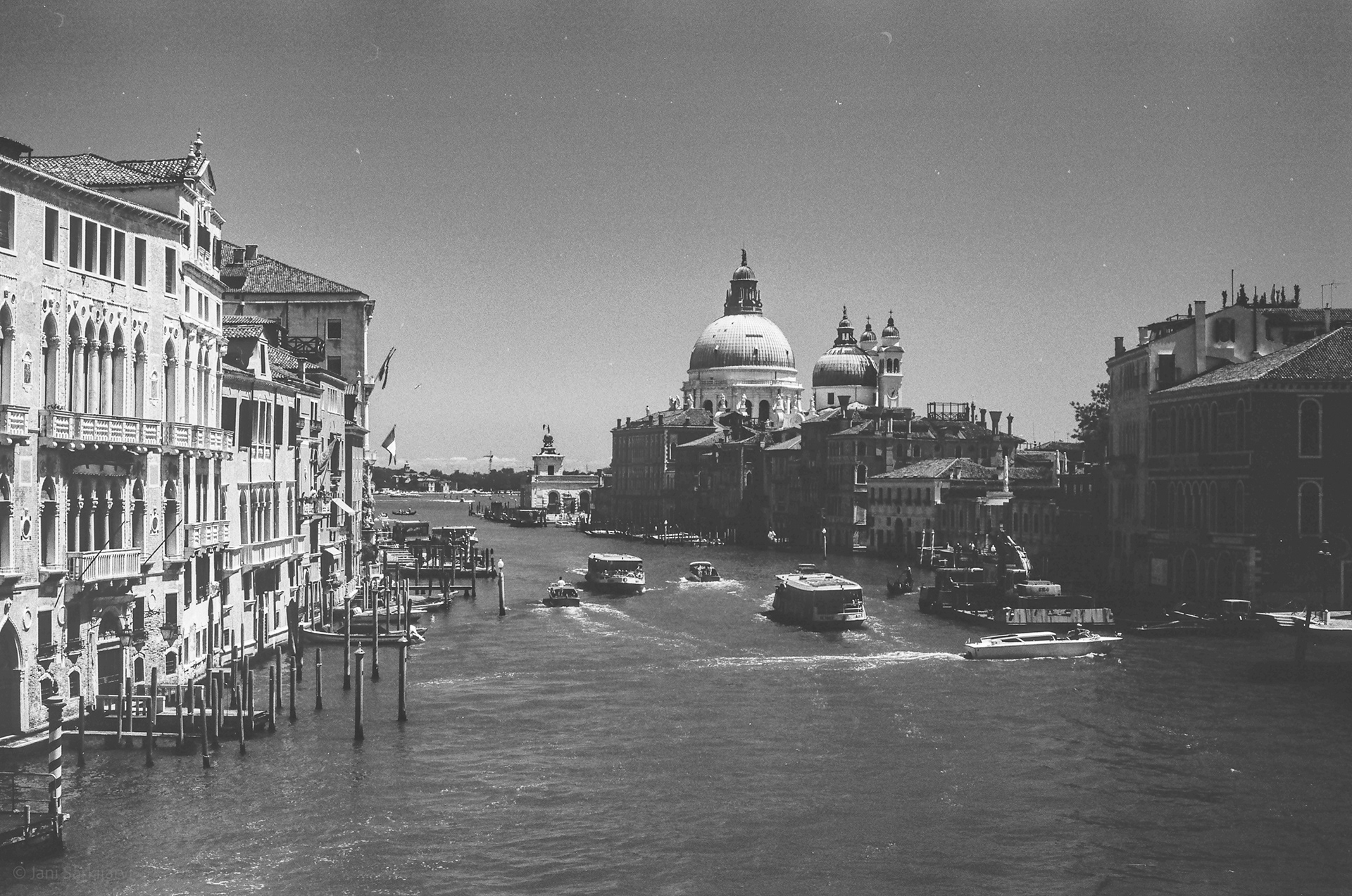
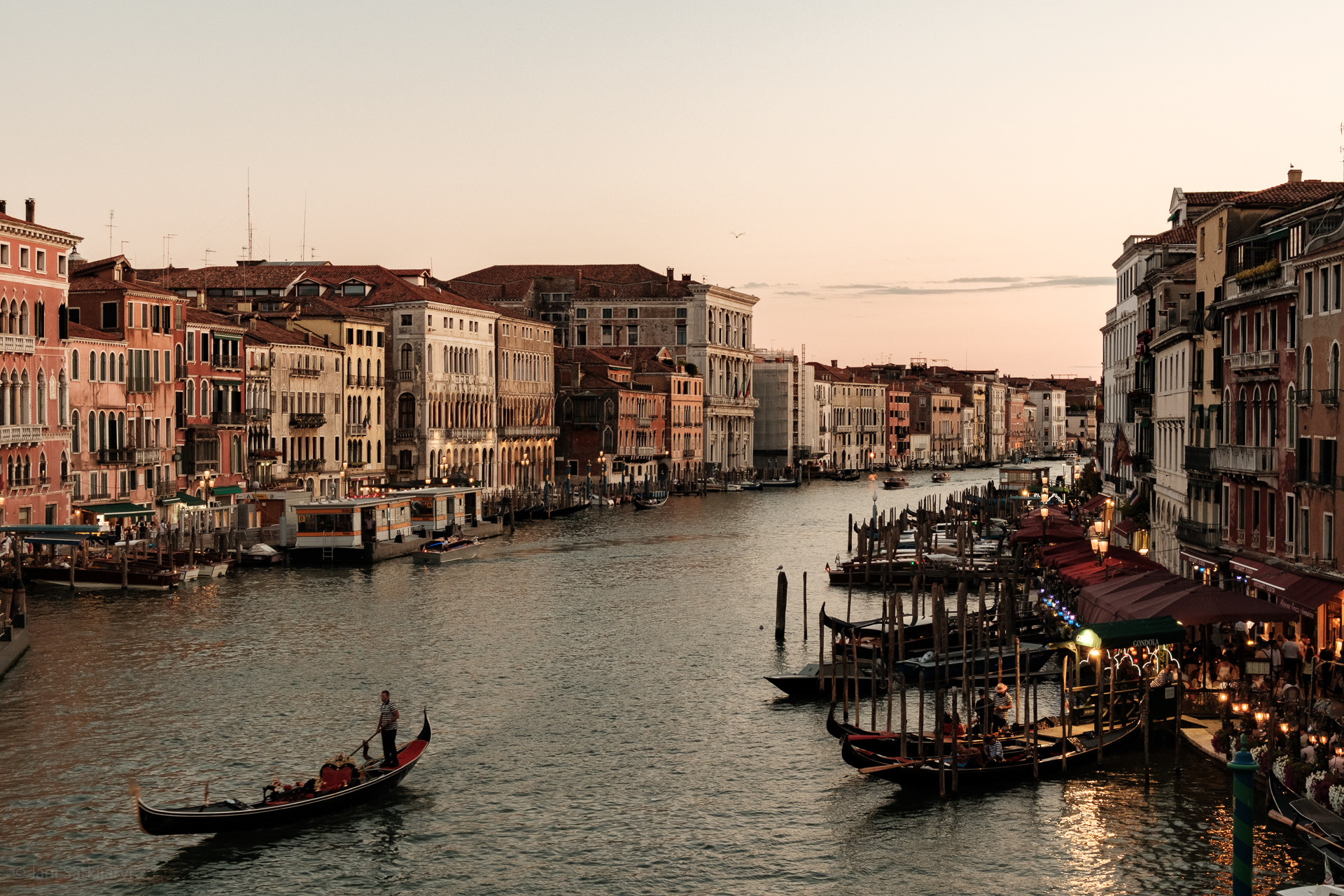
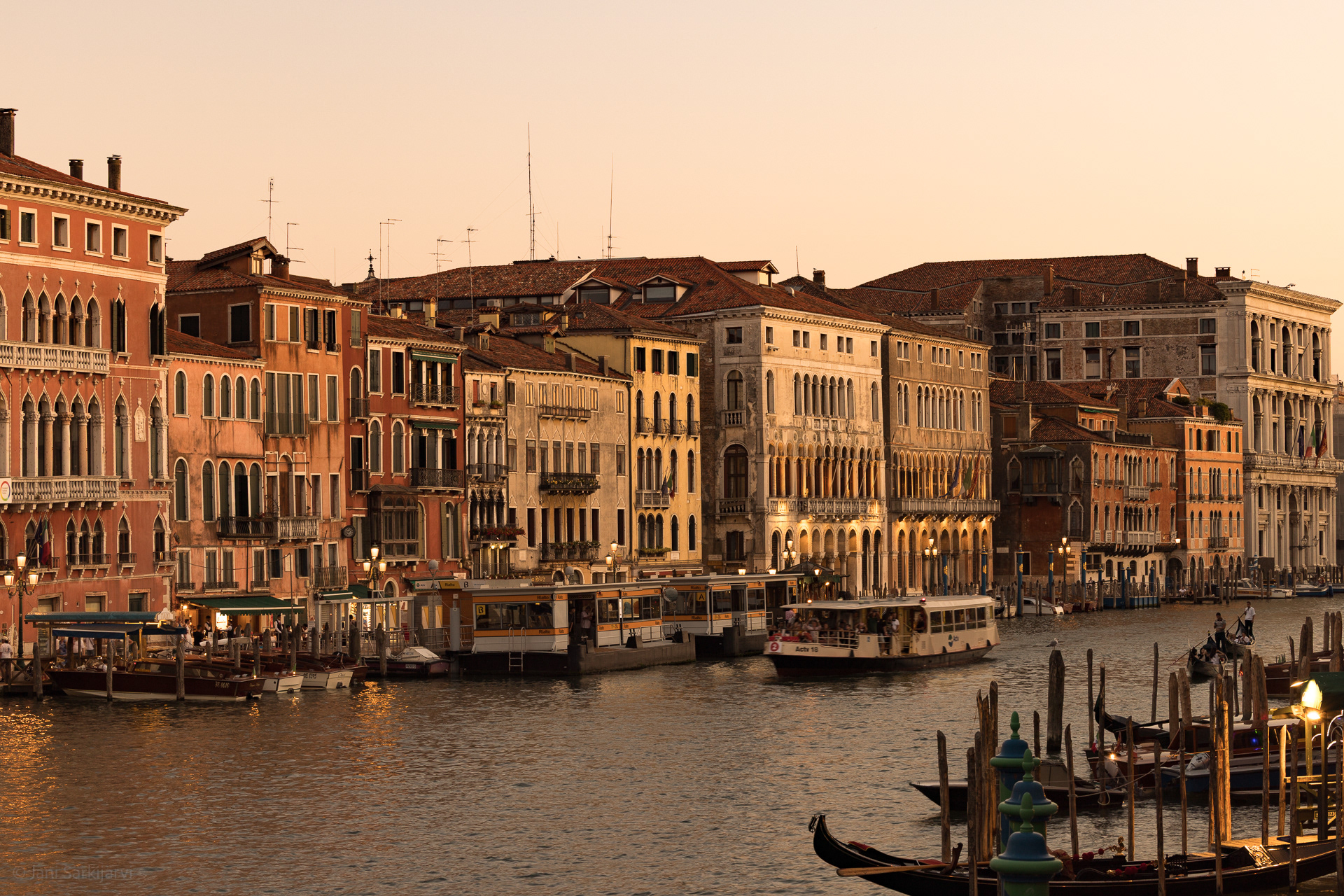
Venice was built on thousands of wooden piles driven deep into the soft lagoon soil, an ingenious engineering solution that allowed the city to rise where land barely existed. Over centuries, the weight of palaces, churches, and stone walkways has slowly compressed the ground beneath, contributing to the city’s gradual sinking. Combined with rising sea levels, Venice now faces increasing challenges that test both its historic infrastructure and the engineering brilliance that once made it possible. Its history as a maritime republic, a center of trade, and a cradle of art and architecture remains visible everywhere — yet the future of this fragile city depends on how well it can adapt to environmental pressures.
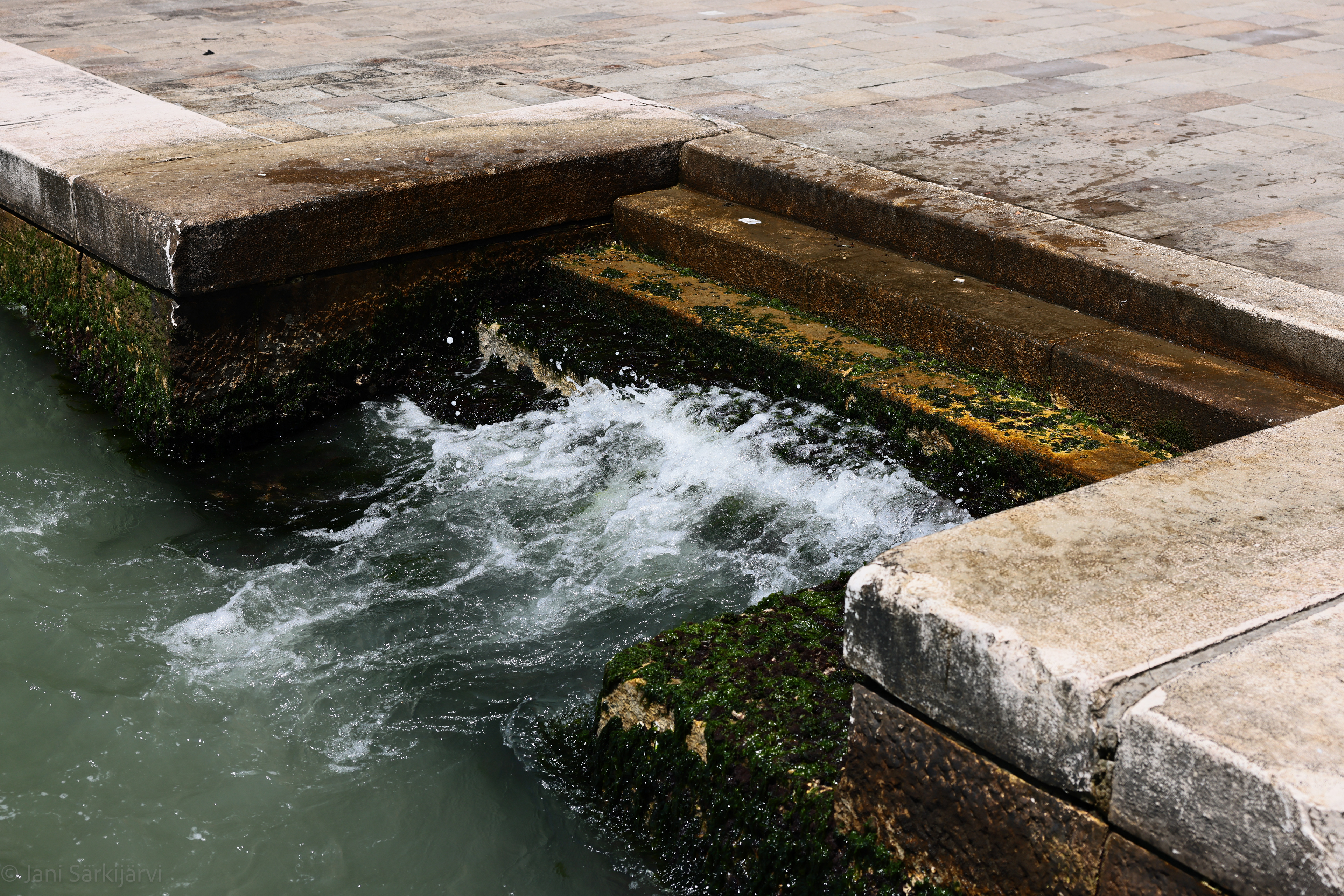
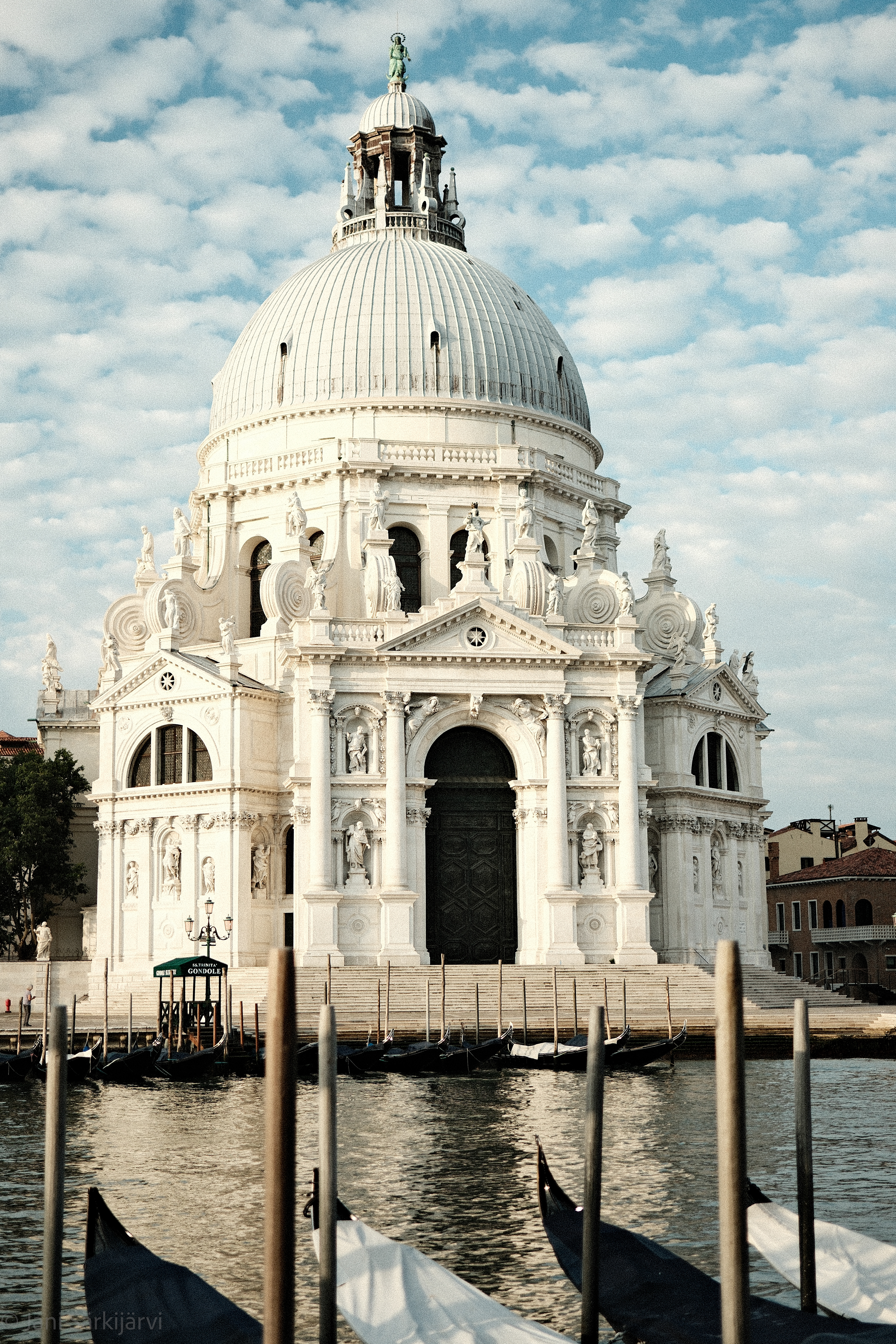
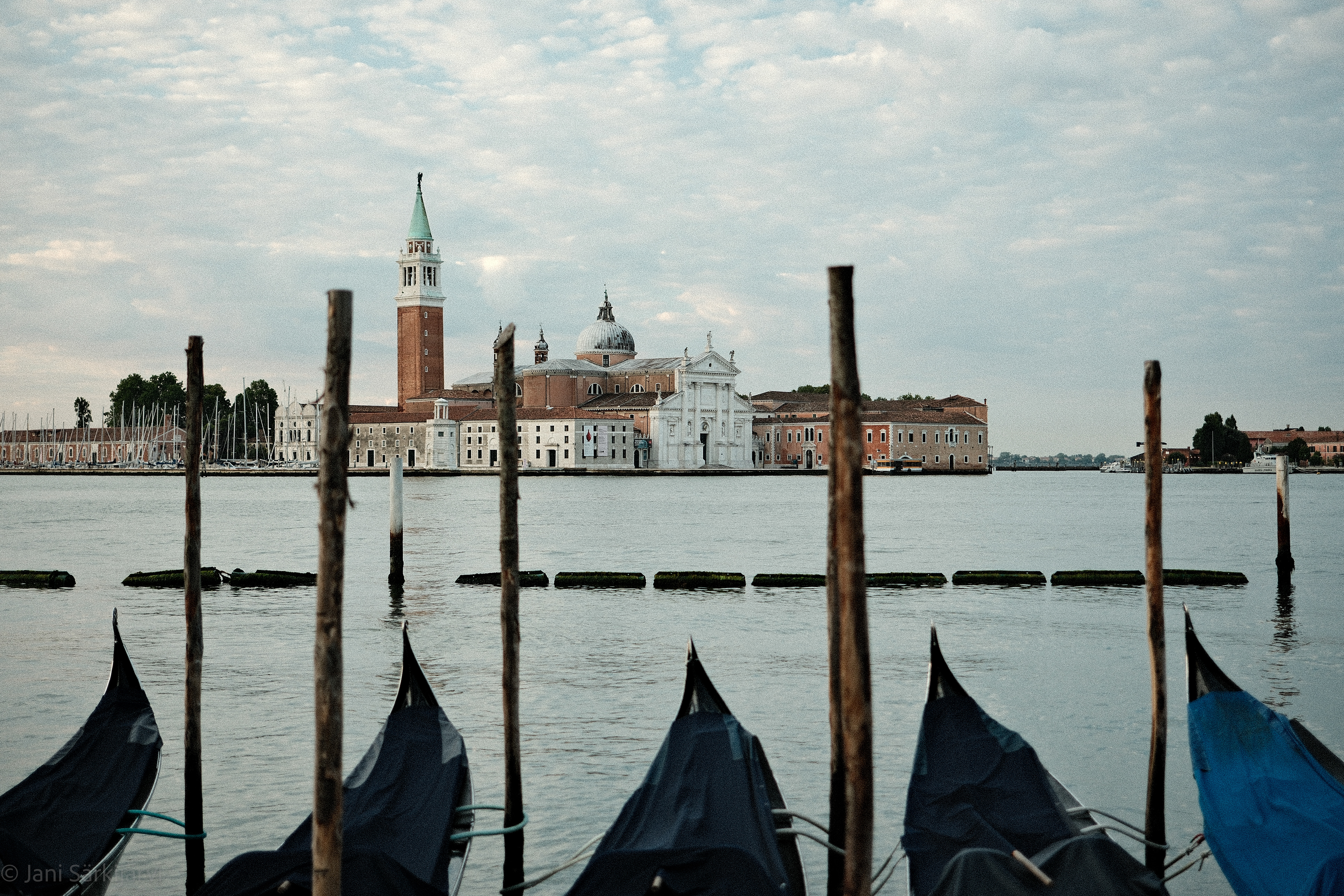
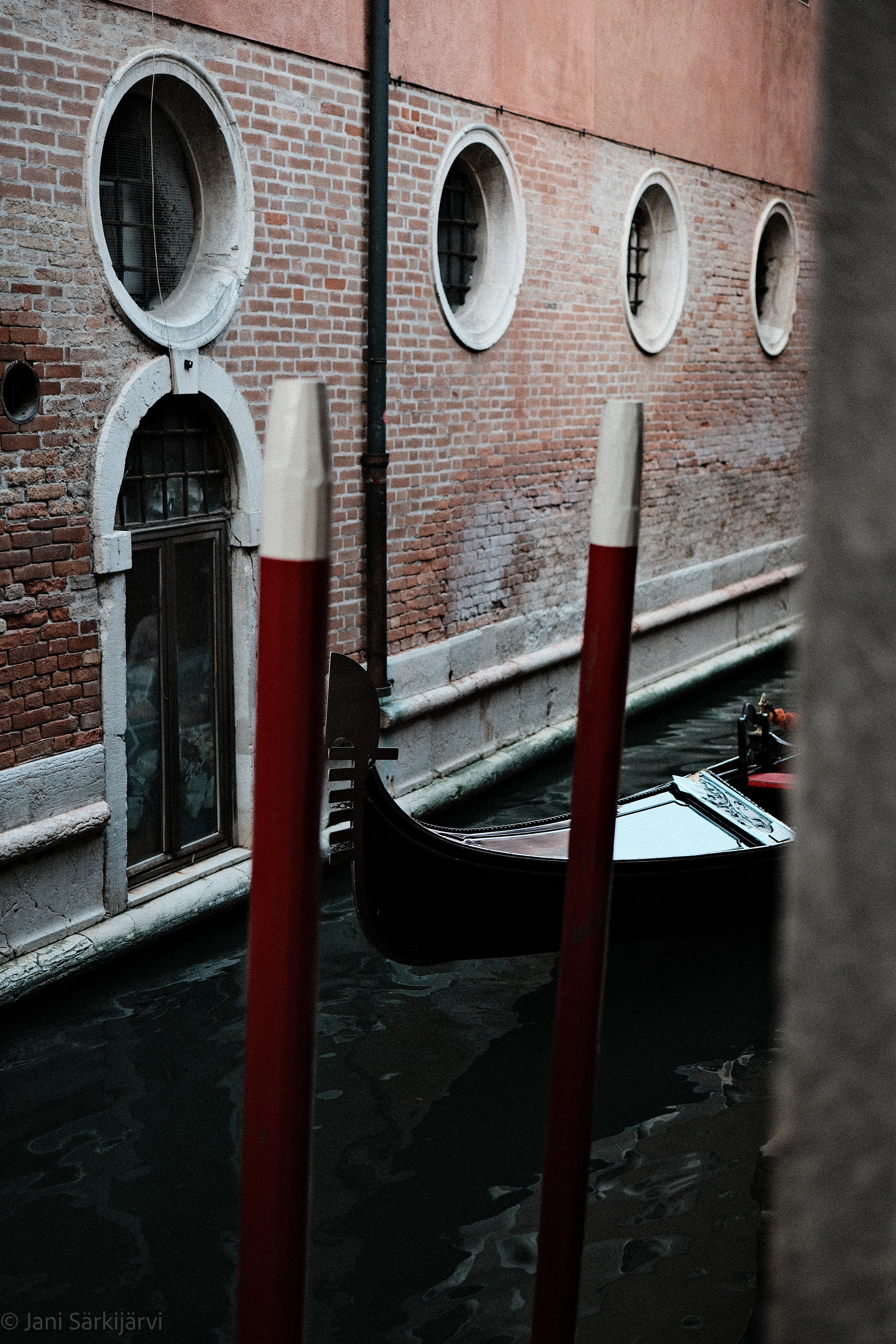
Venice continues to struggle with the balance between tourism, local life, and long‑term sustainability. While millions of visitors support the economy, they also contribute to overcrowding, rising costs, and the gradual displacement of residents. The city’s future depends on finding a way to protect its heritage and environment without losing the community that gives it life.
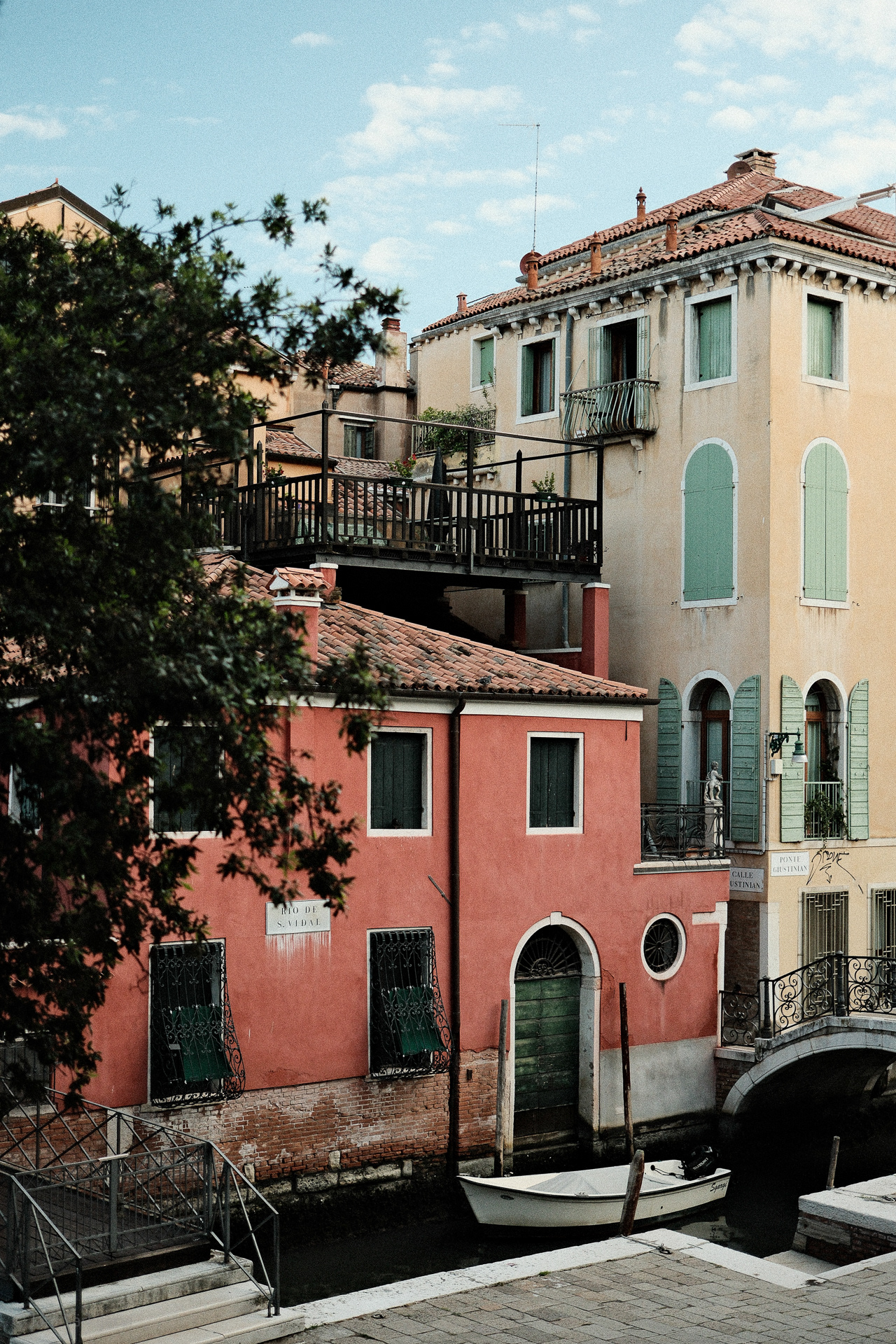
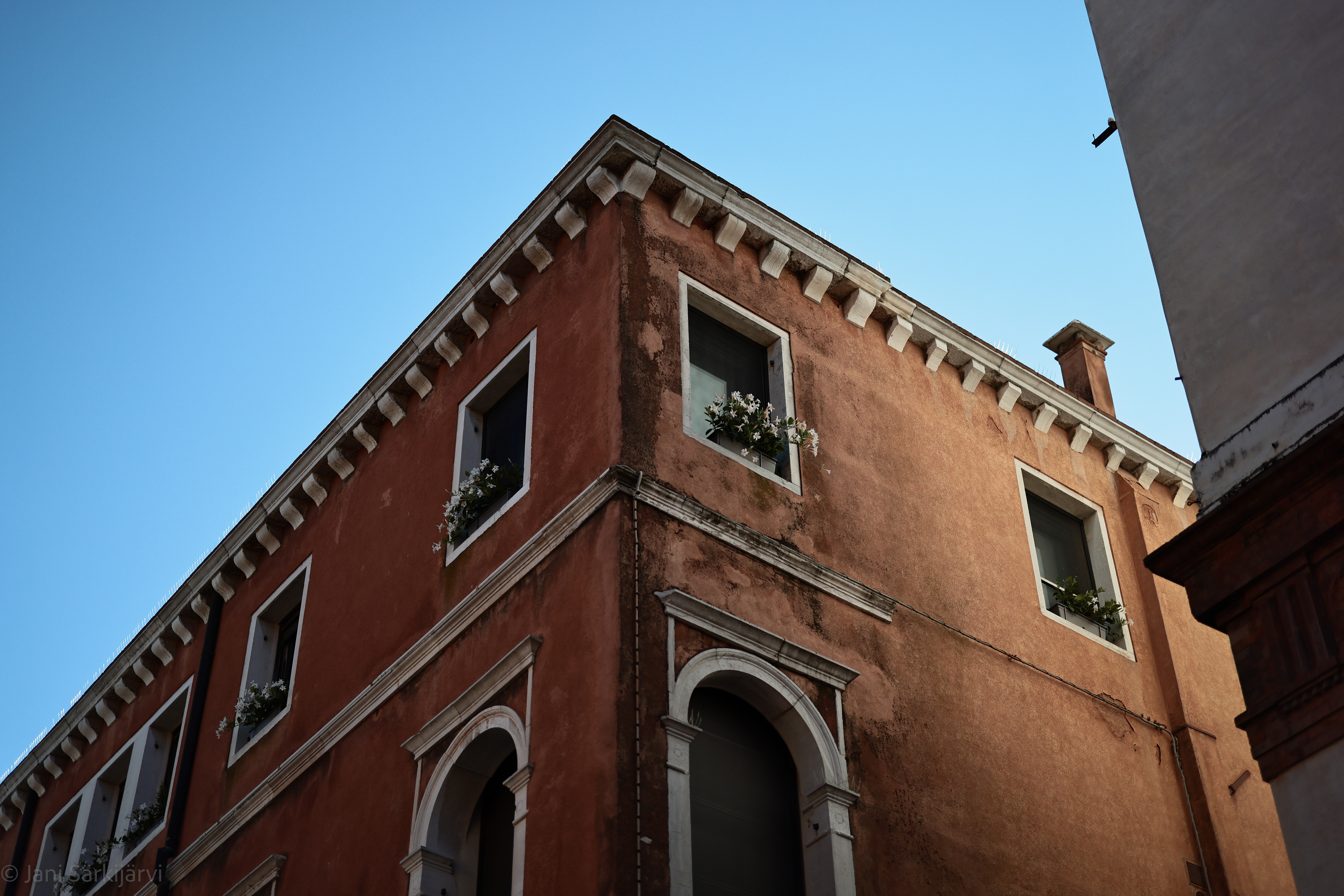
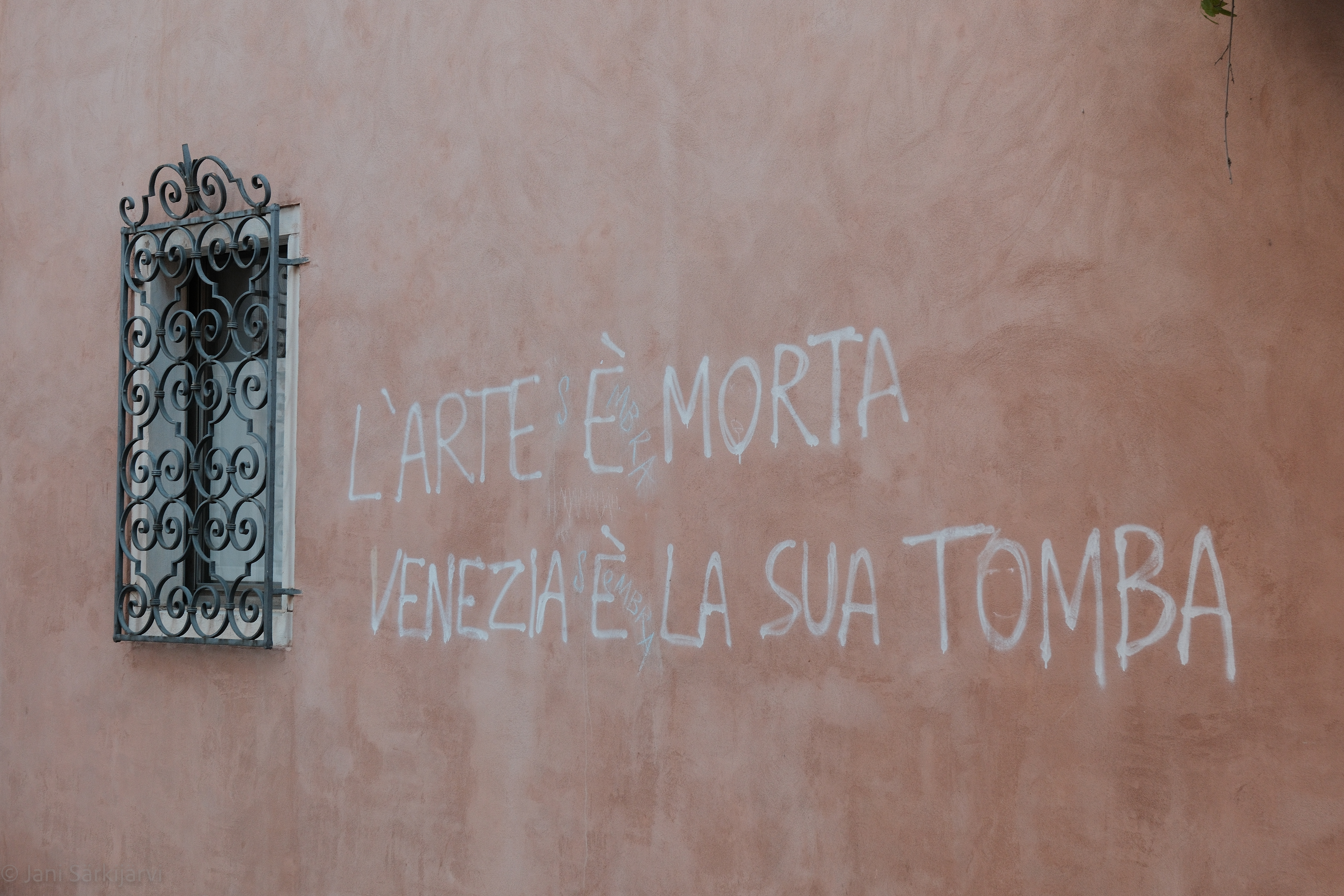
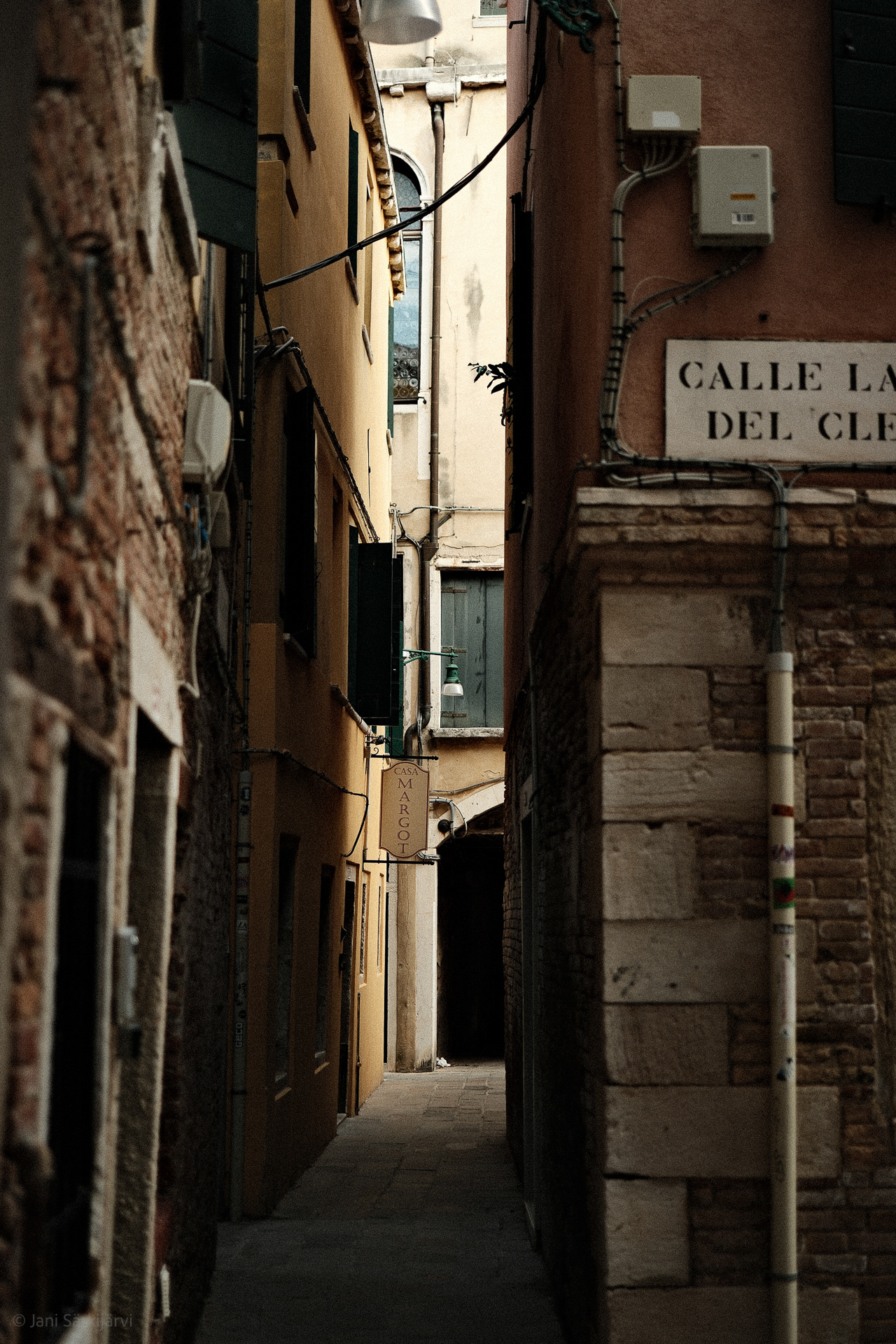
Well before our trip, we noticed that our hotel in Venice wasn’t responding to our messages. After a long search, we found out that it had gone bankrupt. In the end, it turned out to be a good thing. We got our money back through Visa and found an even better apartment to stay in. It was a wonderful place near the Ponte dell’Accademia.
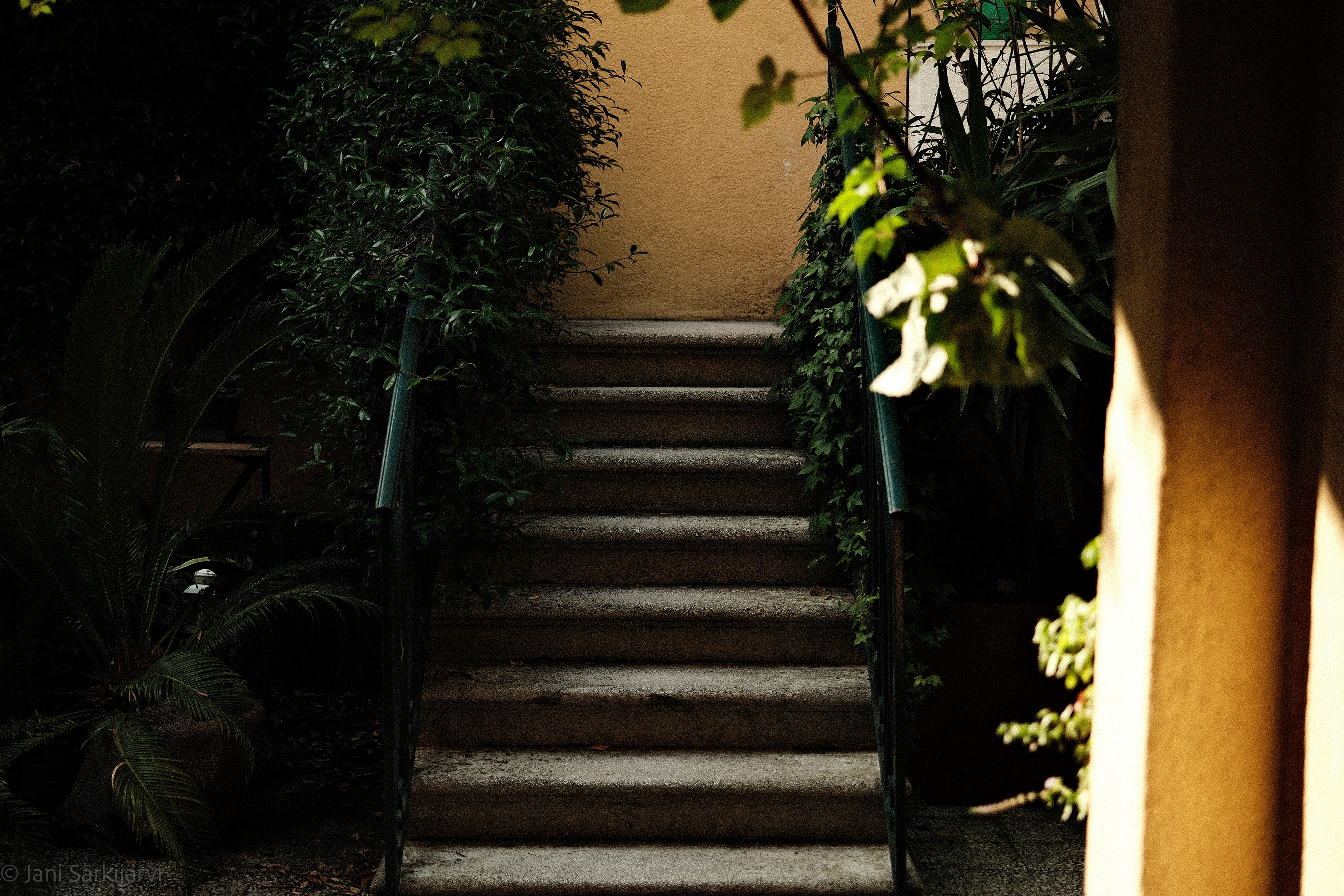
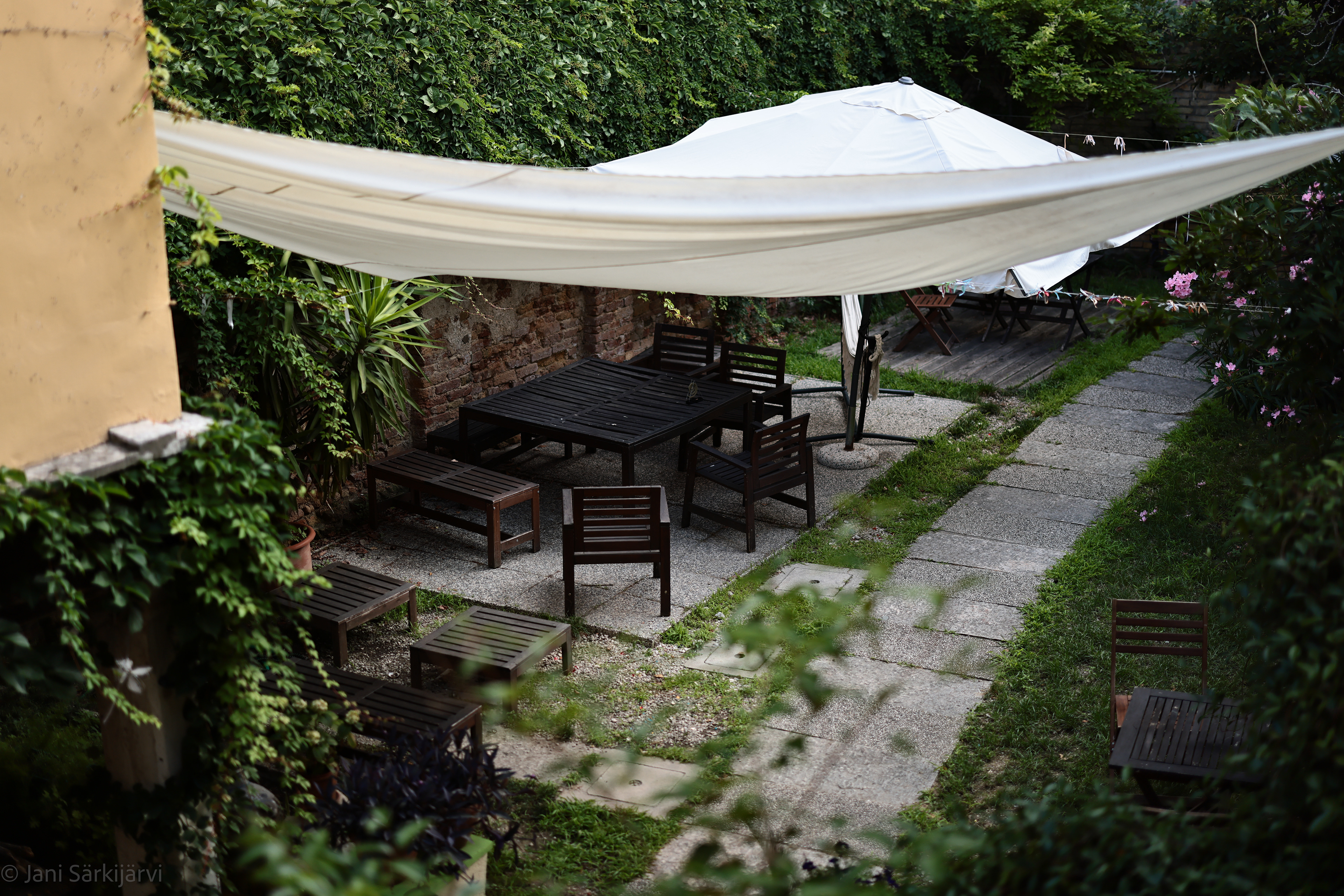
Although the waterbus brought us close, I still had to carry all our bags over the bridges, none of which had ramps. Luckily, it was worth the effort.
In the morning, after waking up, we asked about the breakfast mentioned in our reservation details. We were then told that “breakfast” meant we could prepare it ourselves in the kitchen. How wonderful! So back we went to the starting point, the grocery store, to pick up breakfast supplies. No hard feelings, but why can’t the truth be stated in the booking details?

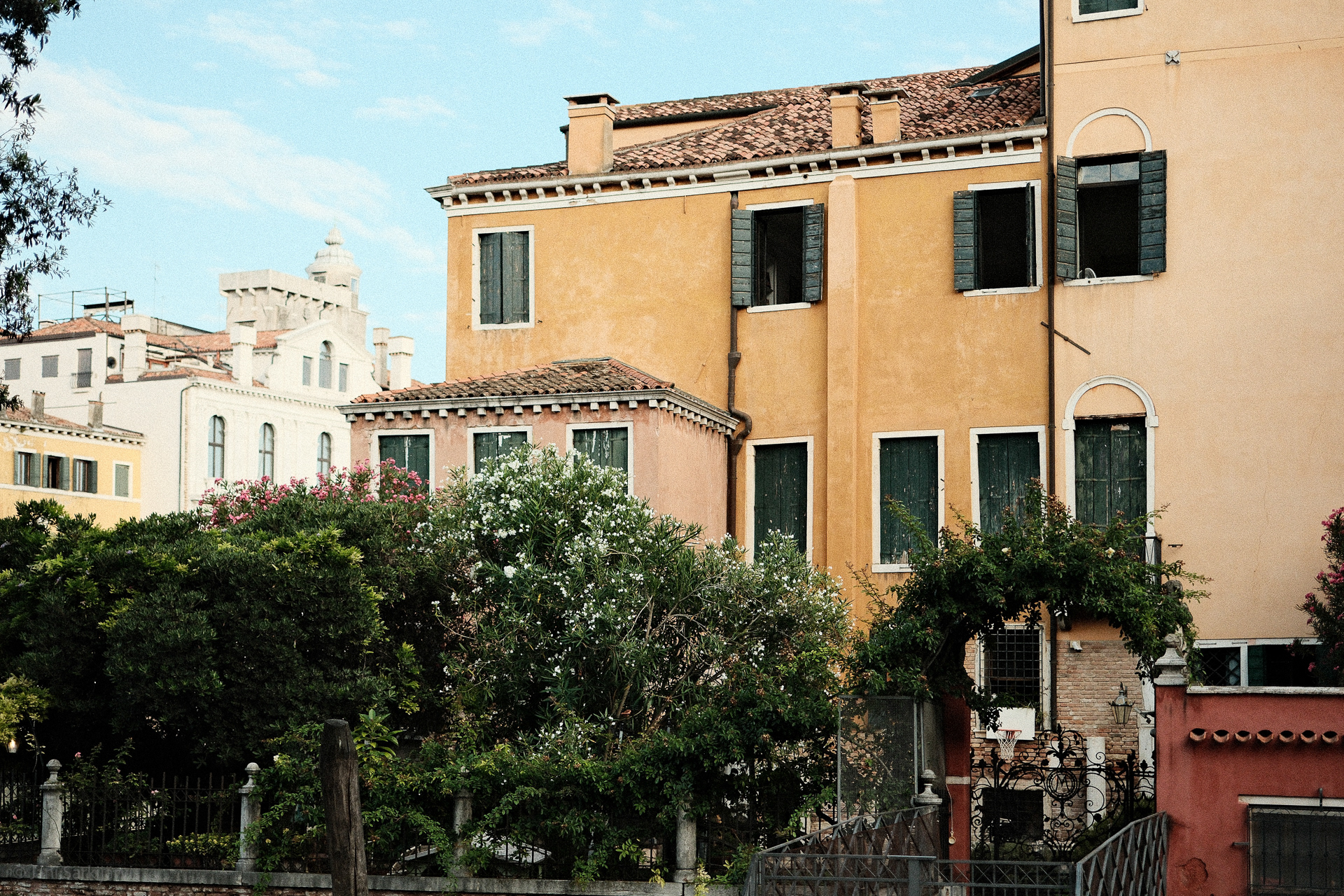
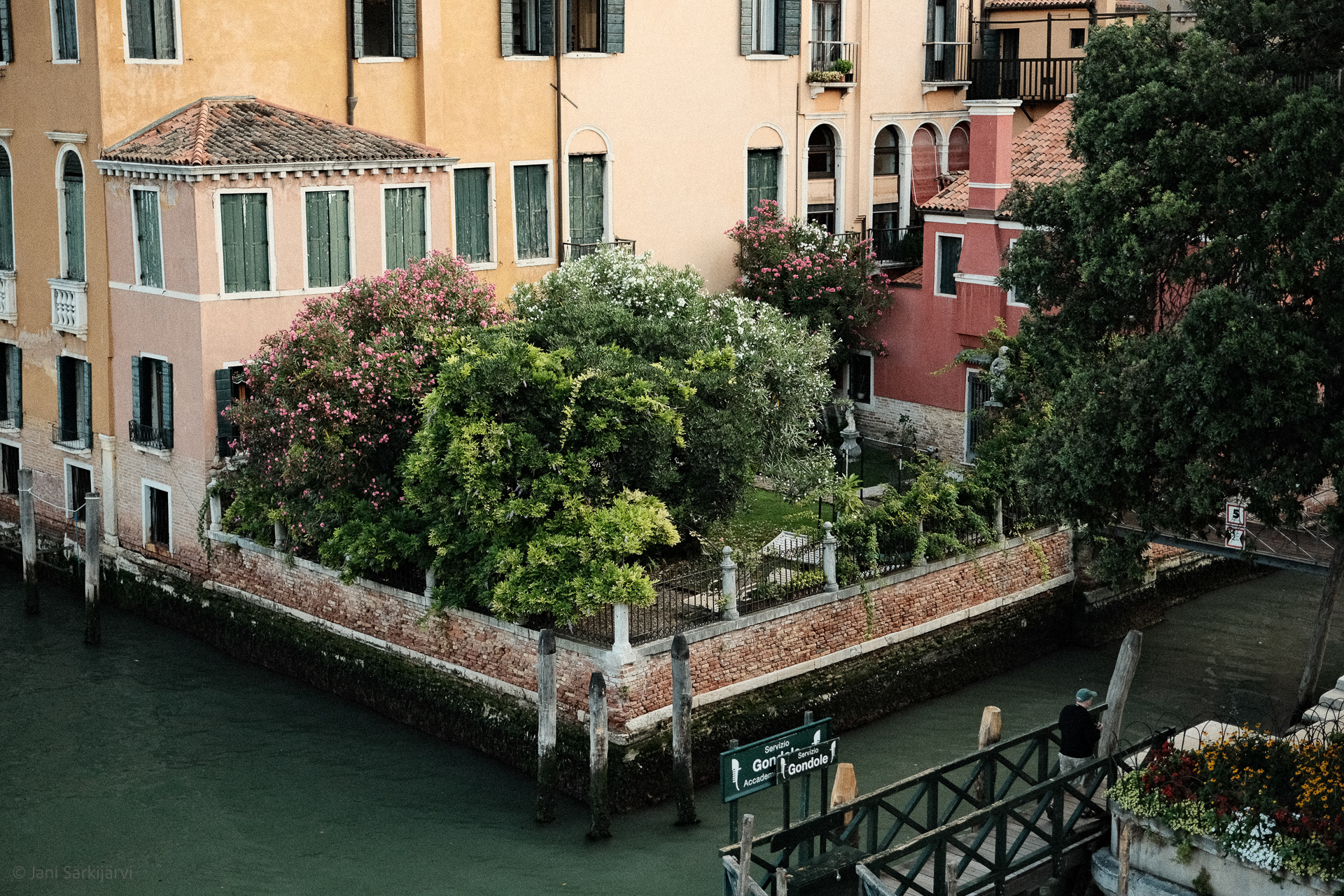
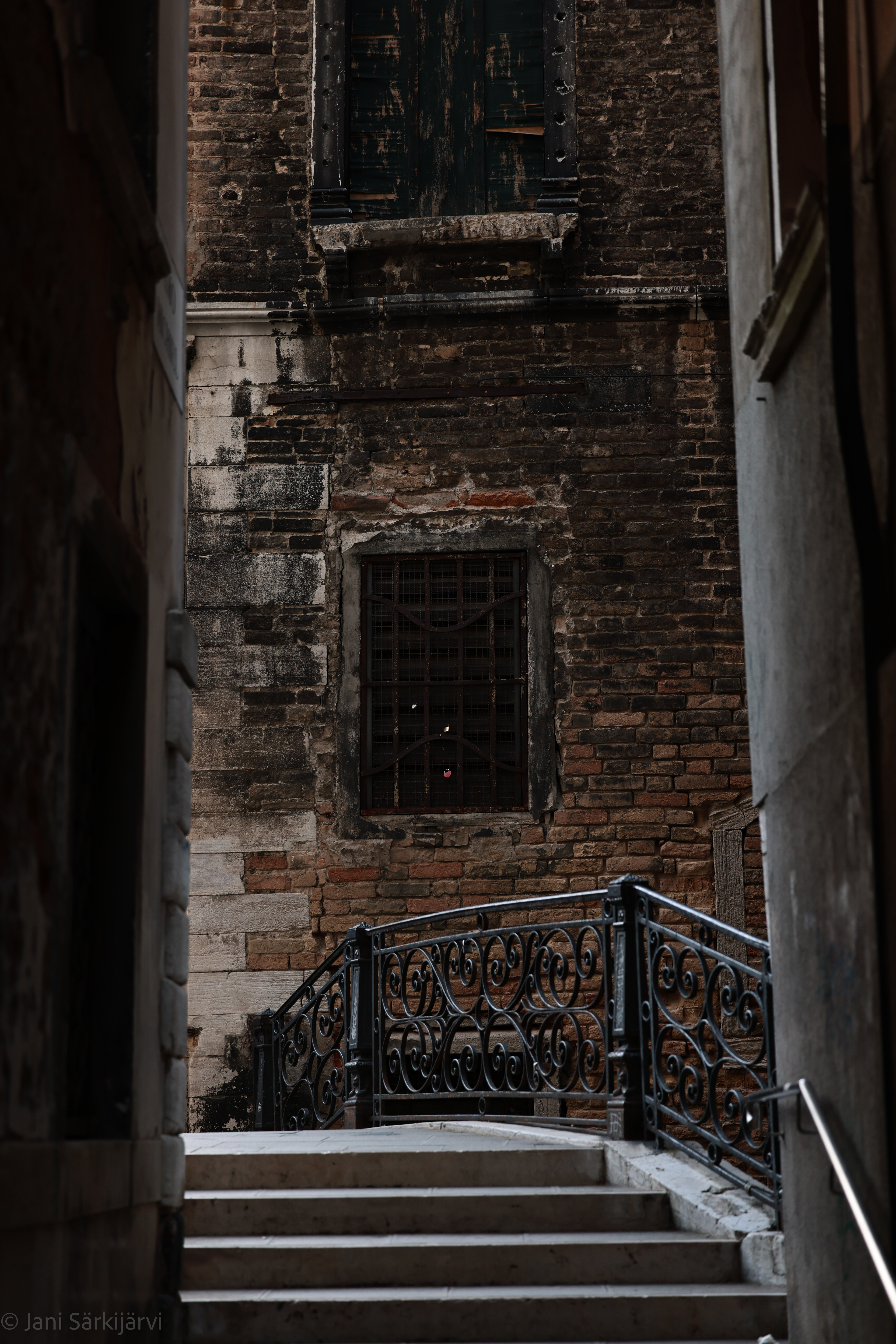
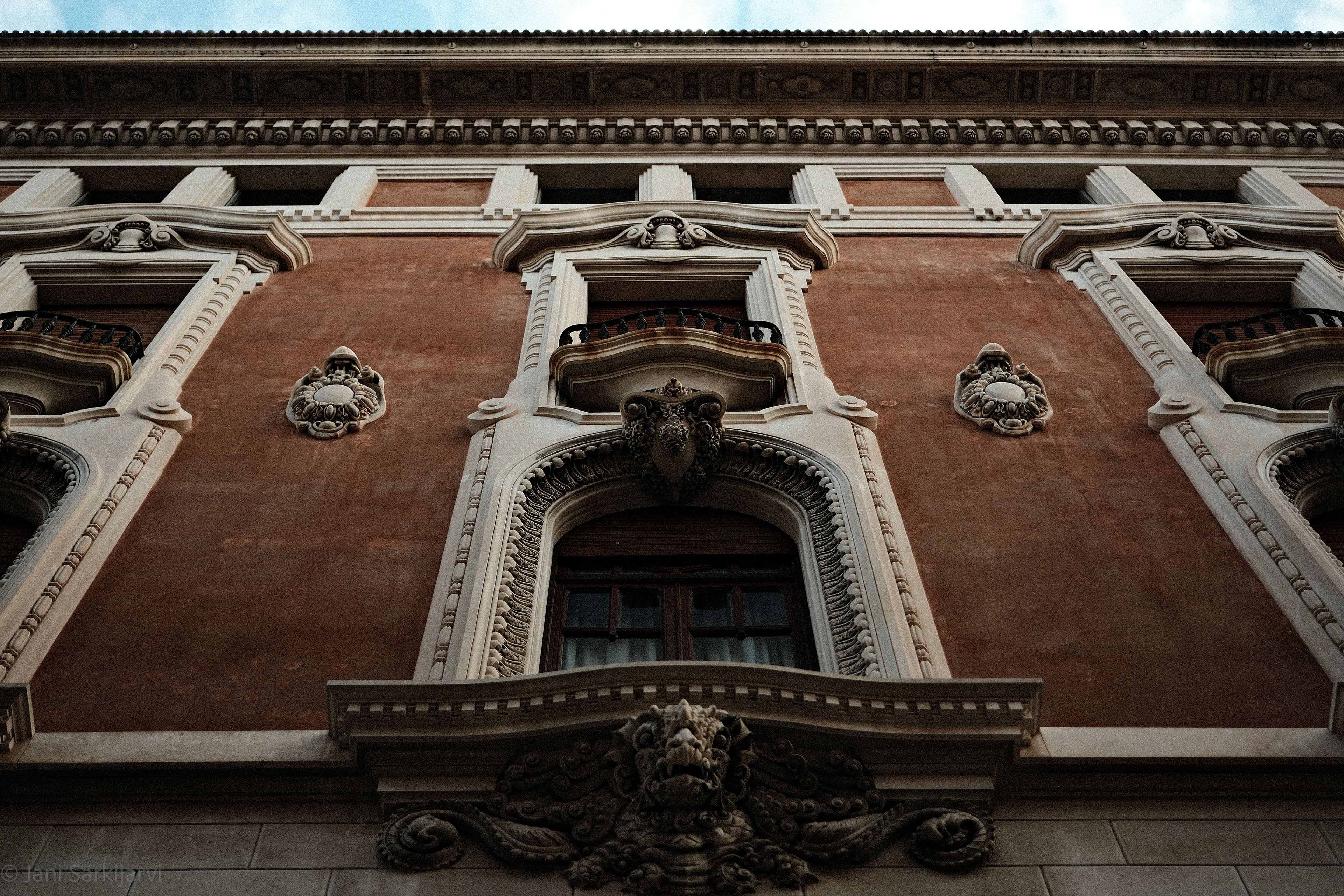
Jeff Bezos’s wedding in Venice drew global attention when the scale of the celebration sparked protests from locals and climate activists. Concerns over private jets, environmental impact, and the strain on the fragile city led to a last‑minute change of venue, highlighting the tension between glamour and the city’s vulnerability.
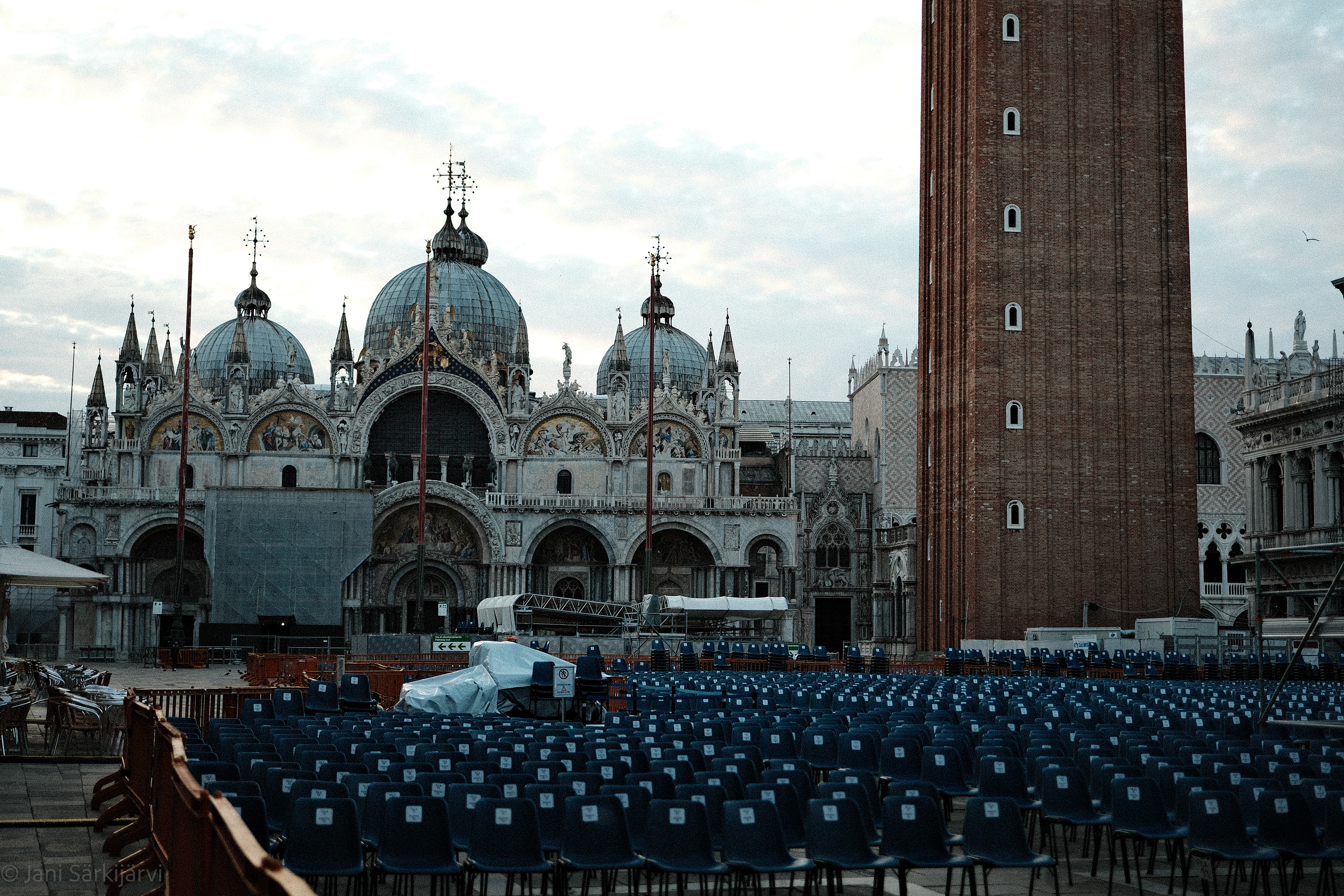
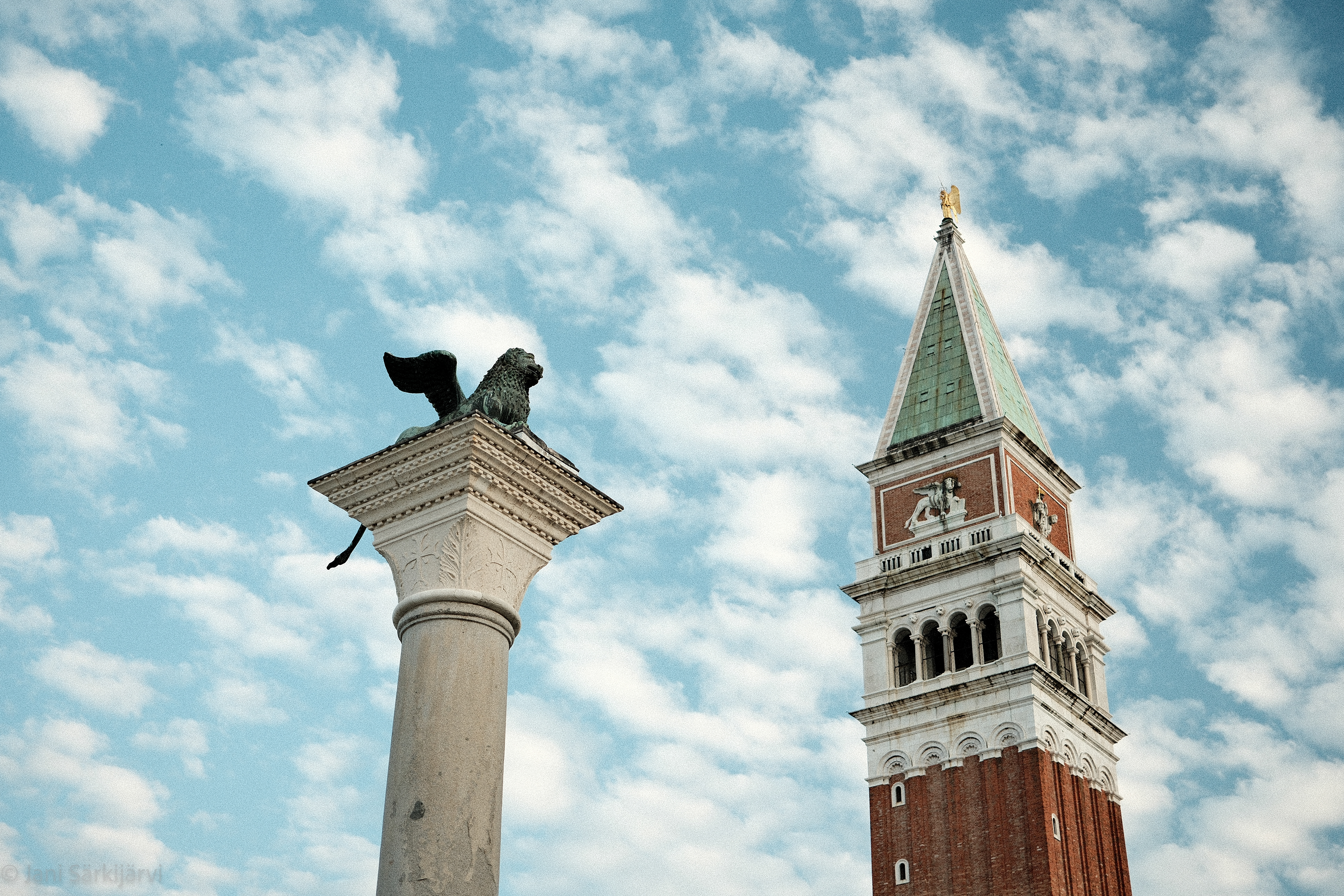
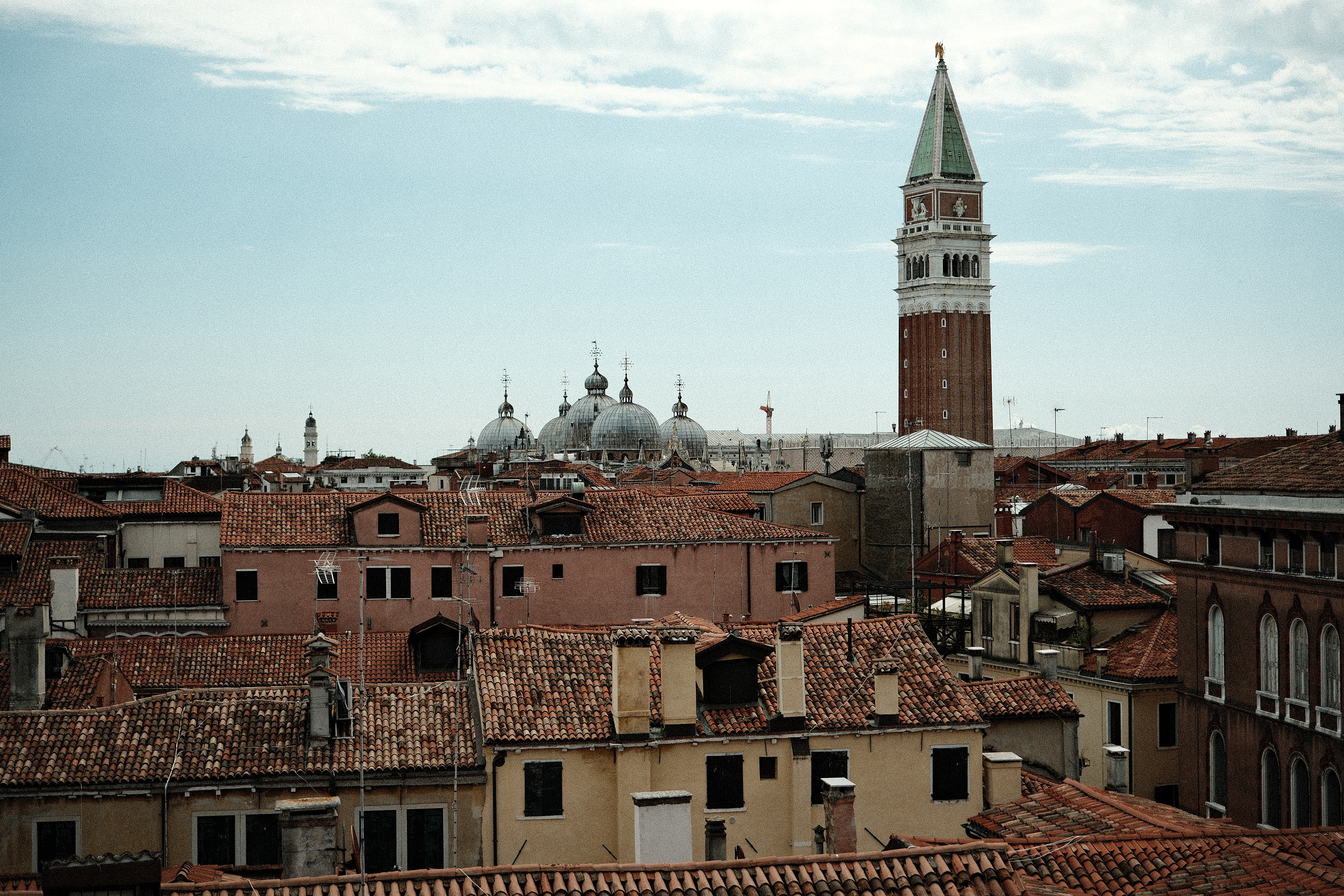
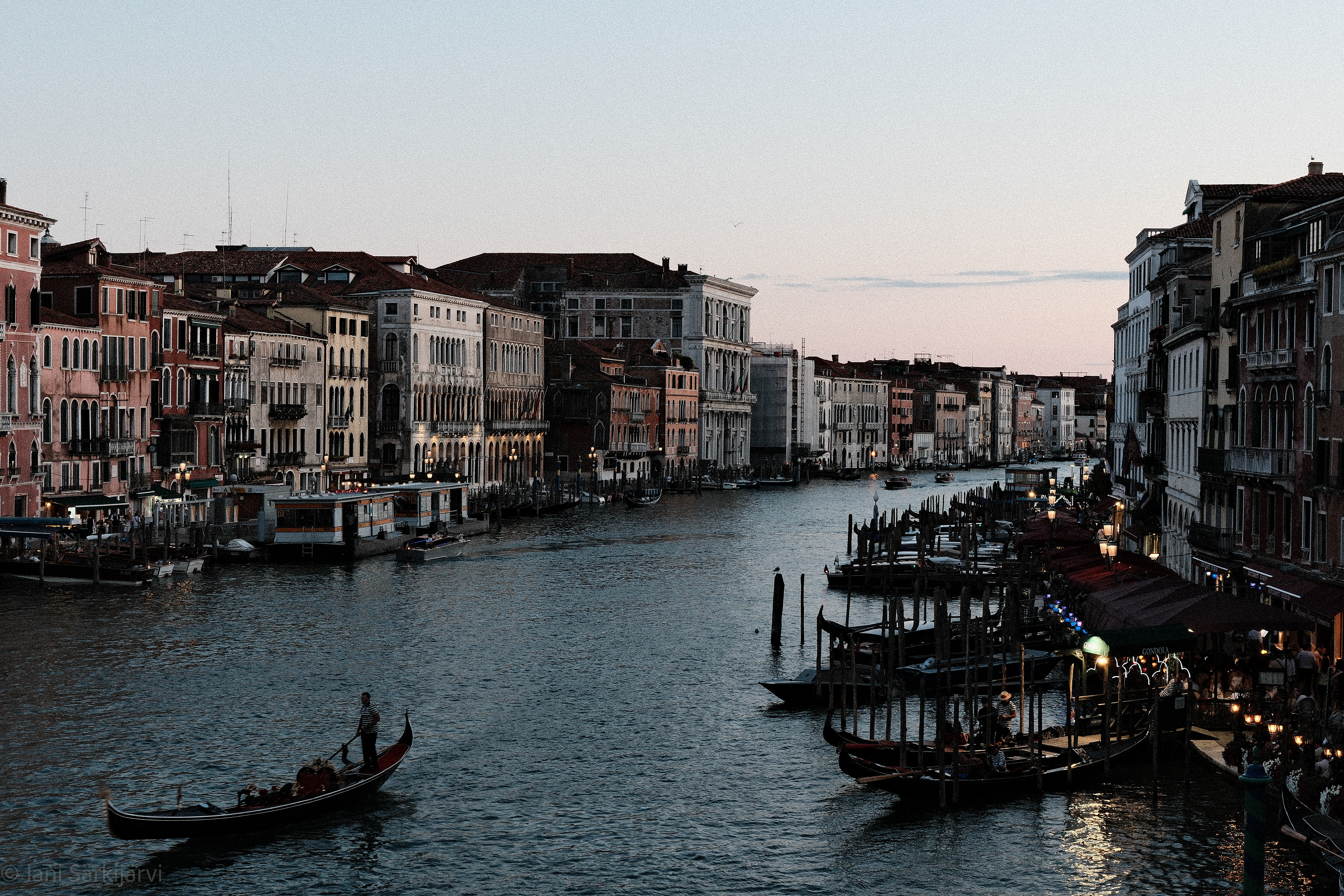
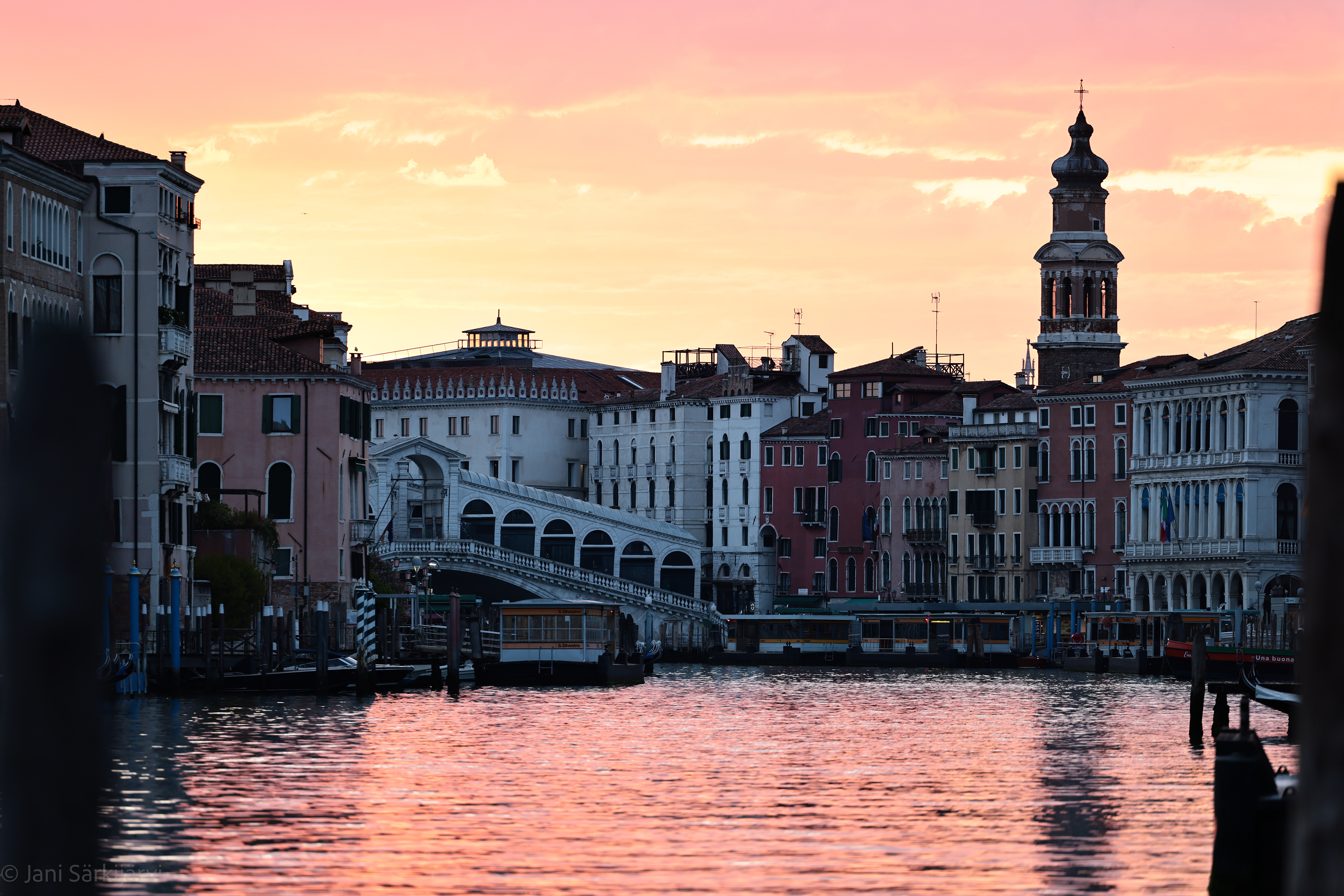
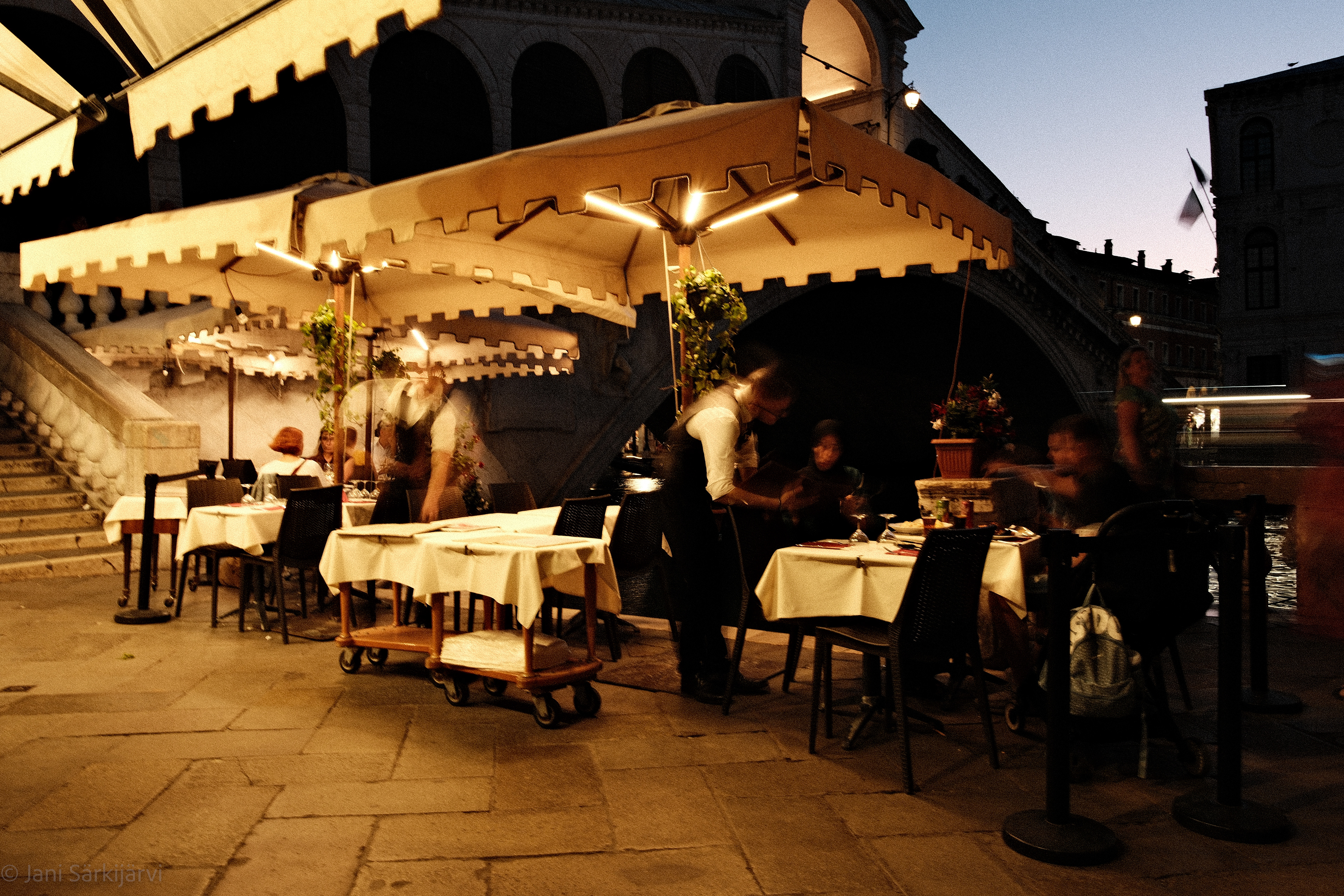


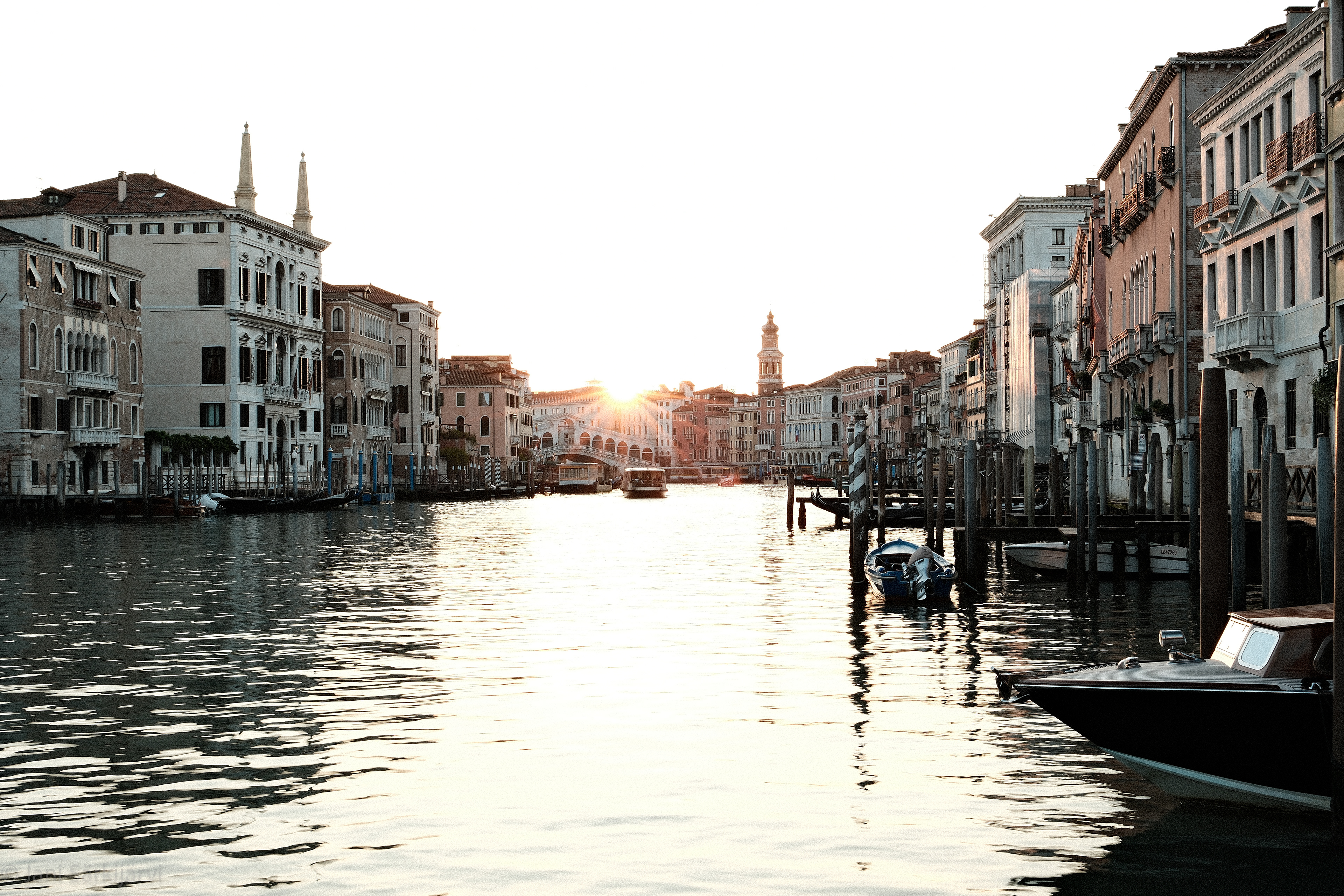
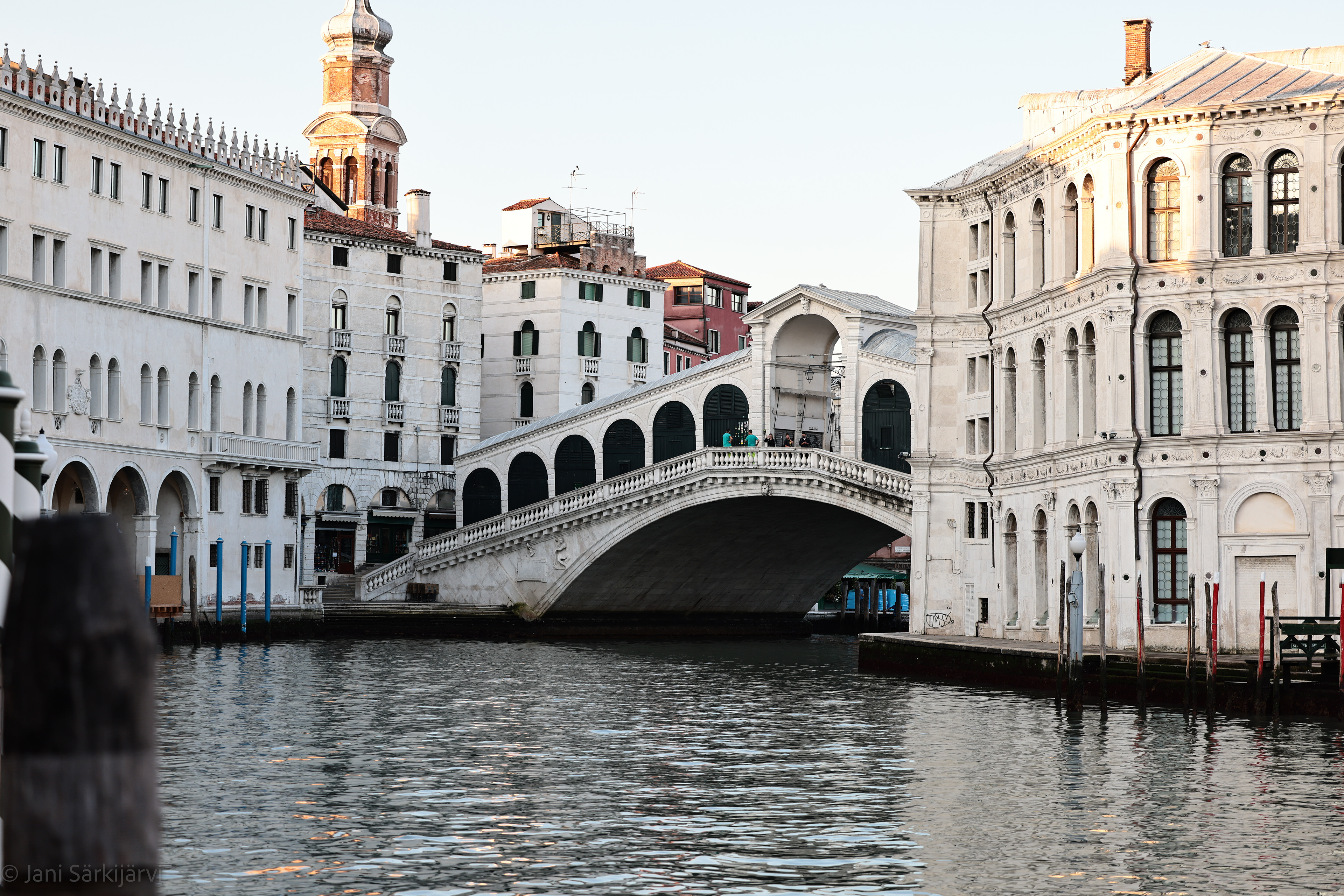
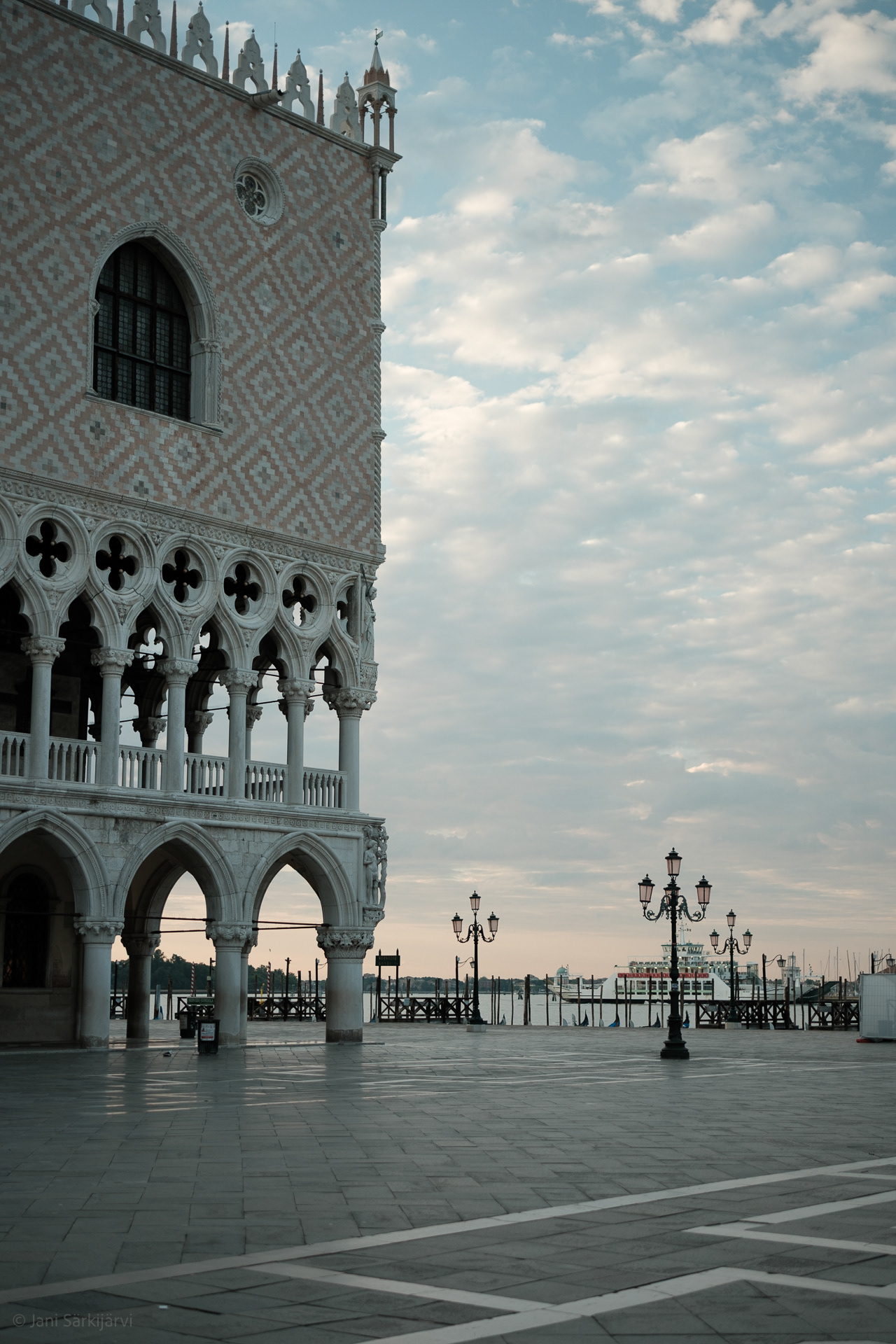
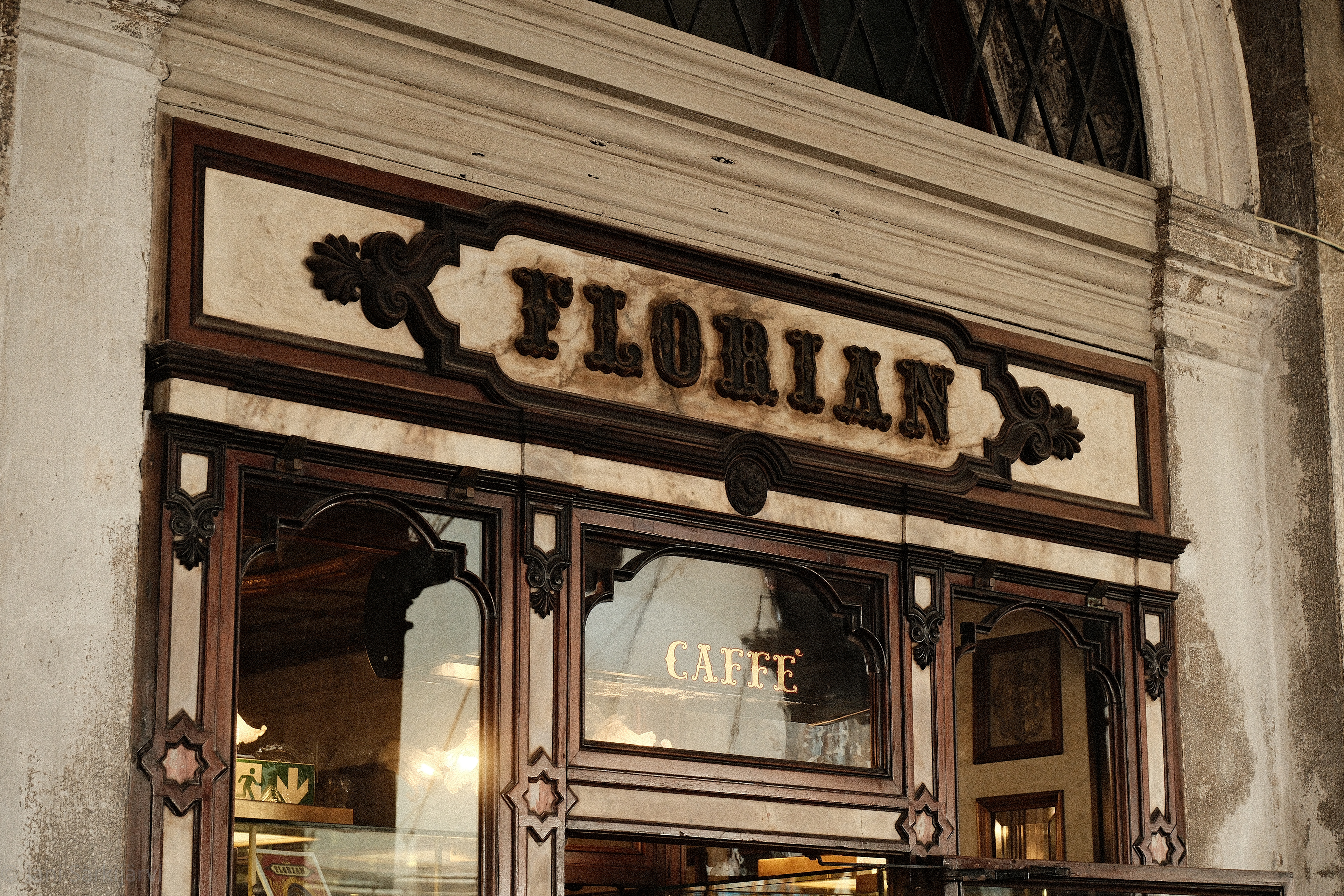
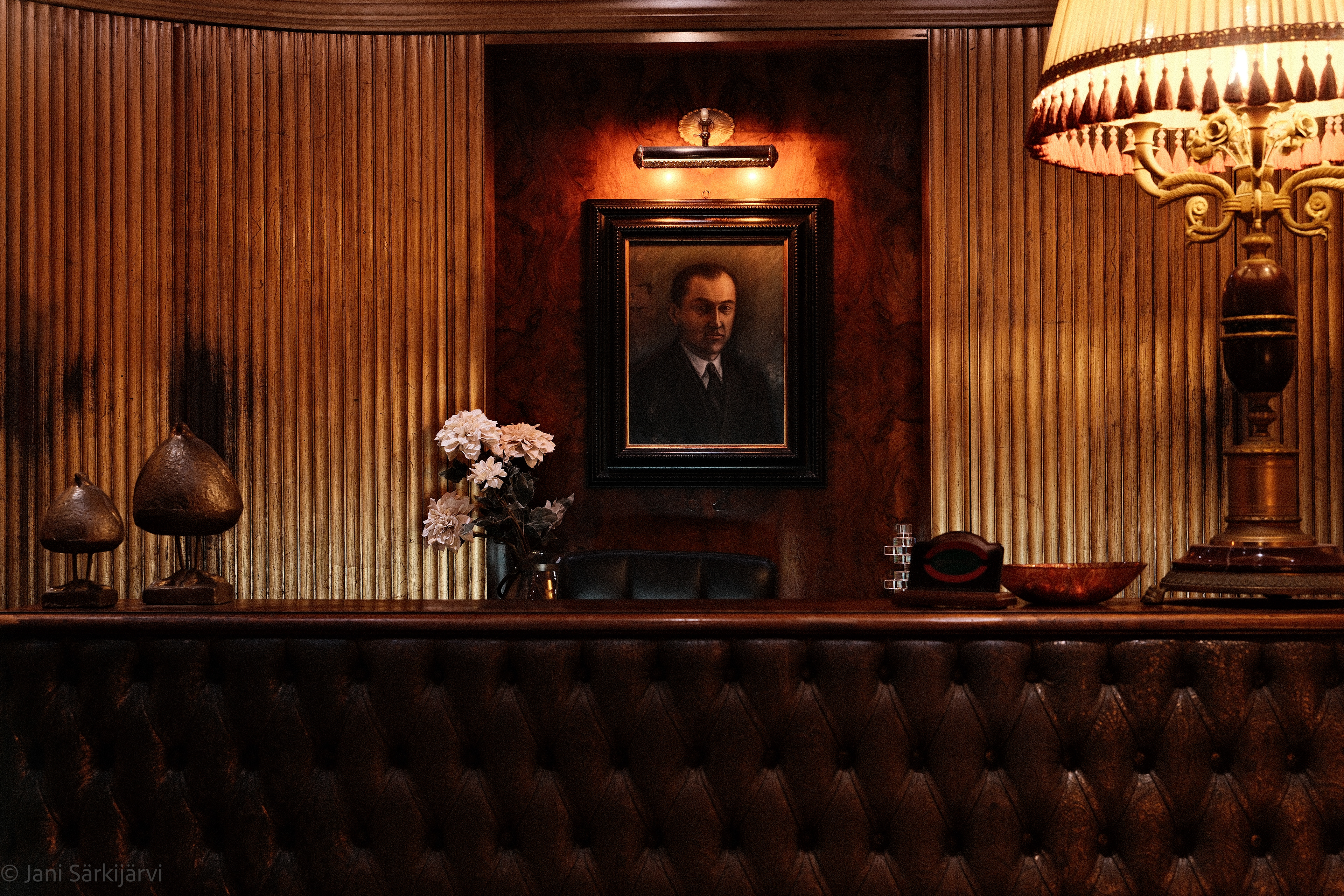
Caffè Florian is one of Venice’s great treasures. Founded in 1720, it is one of the oldest cafés in the world and a true cultural icon of the city. It is famous for its elegant old‑world service, with waiters in classic uniforms moving with quiet precision and creating a refined, unhurried atmosphere. It’s a place where time seems to slow down, and every detail feels intentionally crafted.
A visitor at Caffè Florian often feels like a character from another era — elegant, a little glamorous, and momentarily part of Venice’s aristocratic past. Surrounded by gilded interiors, mirrored walls, and live music drifting across the square, you can’t help but feel transported. For a brief moment, you’re living in the world of 18th‑century salons, where artists, poets, and dreamers once gathered to exchange ideas over coffee and pastries.


PS. Yes, you can get a traffic fine in Venice. About six months after our trip, I received a Christmas card from the Venetian police in the form of a traffic violation notice (a parking fine). After paying the parking fee, the payment machine being quite a long walk away, we still had to take care of the boys’ urgent pee emergencies before leaving through the gate. Even though the gate let us out without any warnings, we had apparently exceeded the allowed tolerance by a couple of minutes.
In all my driving journeys across Europe, I have never received fines anywhere except in Italy. It does seem somewhat typical that tourists, who are not always so warmly regarded in the most popular tourist destinations, are charged in various creative ways.
But I still I love Italy.